
Brief Introduction
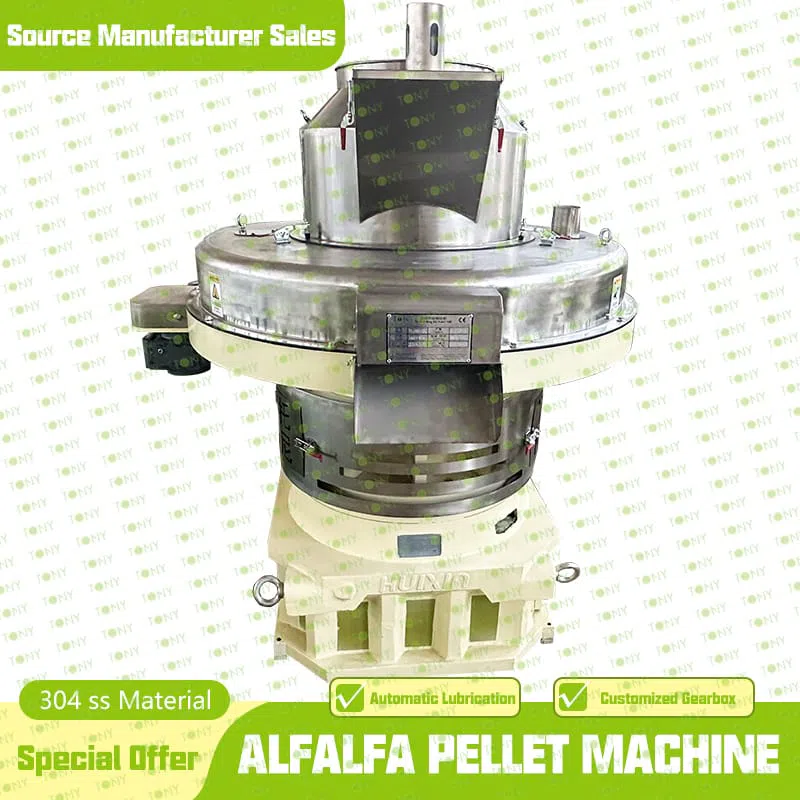
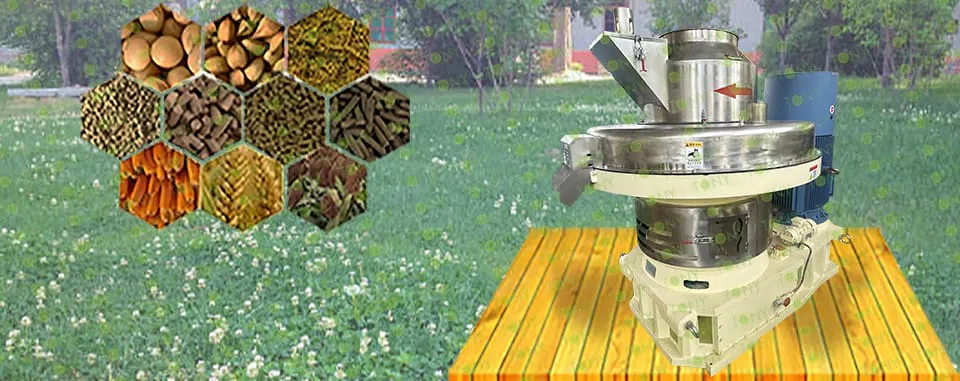
TONY Alfalfa pellet machine can process a variety of biomass feedstocks, including agricultural and forestry waste such as straw, wood chips, rice husks, branches, and peanut shells. A raw material powder with a moisture content of 10-15% is sufficient for processing. It is widely used in feed mills, organic fertilizer plants, and energy companies, converting waste resources into high-density fuel pellets, replacing traditional energy sources such as coal.
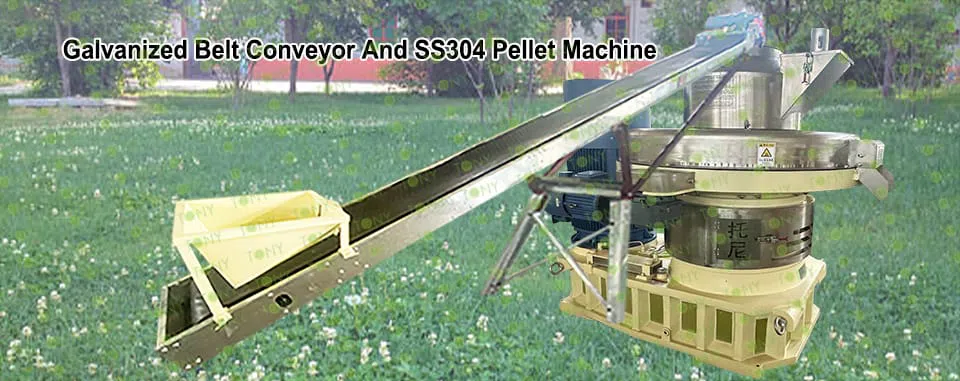
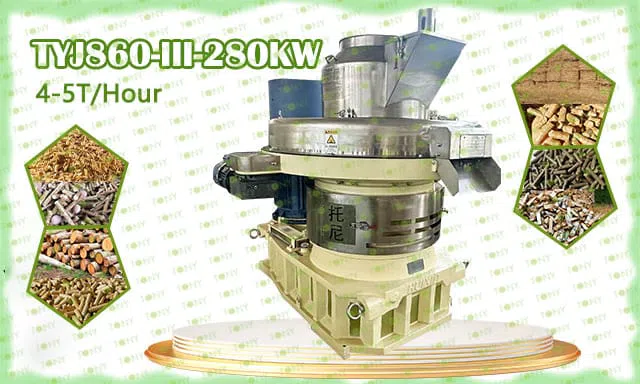
TONY pellet machine mainly consists of vertical ring die series models (such as TYJ551/TYJ760/TYJ860), which use alloy steel rollers and ring dies.
Working Principle
1. Feeding Principle: The die is positioned upward, feeding the material vertically into the pelletizing chamber, ensuring direct delivery.
2. Material Distribution Principle: The die is stationary, while the rollers rotate. Centrifugal force and the rebound effect of the two-layer high-circumference die naturally and evenly distribute the material across the inner surface of the ring die.
3. Forming Principle: Taking the TONY biomass pellet machine as an example, it utilizes the interaction between the extrusion force between the ring die and roller group and the friction of the die hole to form the material. No additives or binders are required during the processing of the material. Wood pellets have a softening property. When the temperature reaches a certain level, they soften, increasing their bonding strength. Under pressure, the fiber molecules dislocate, deform, and extend, and adjacent biomass particles are reassembled and pressed into shape.
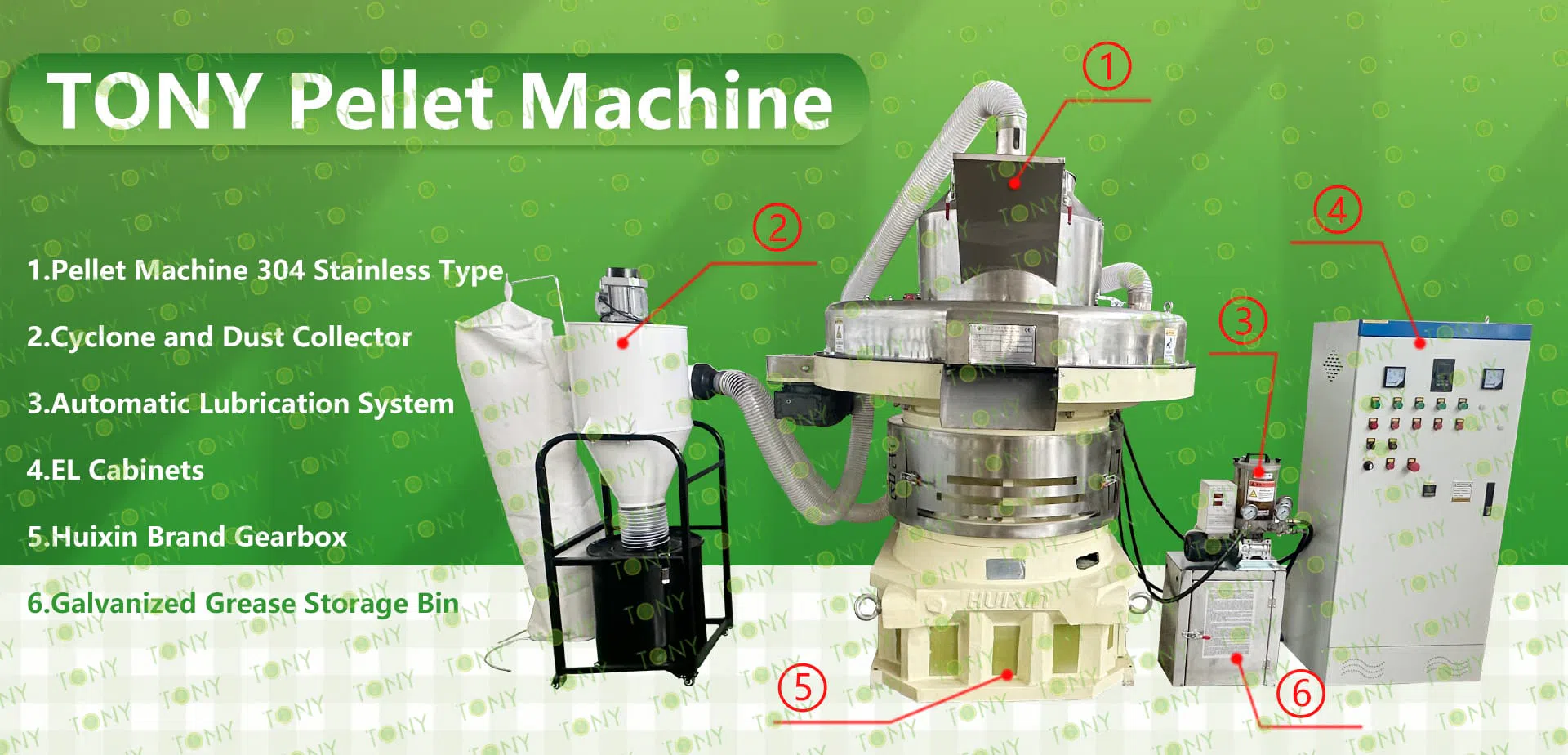
Main Parts
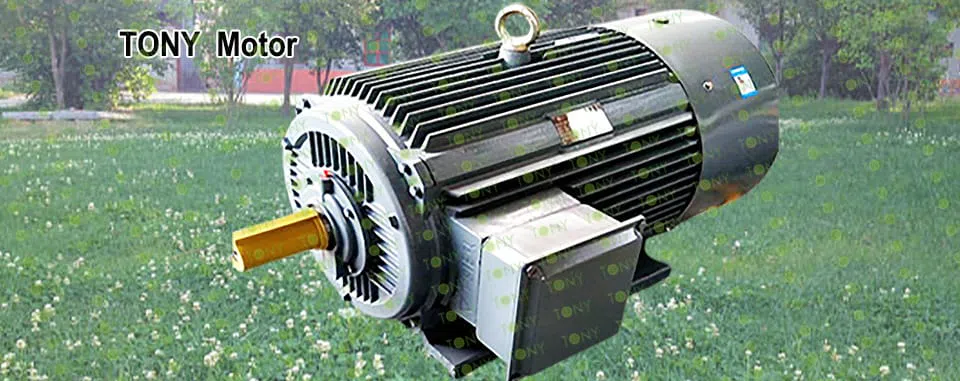
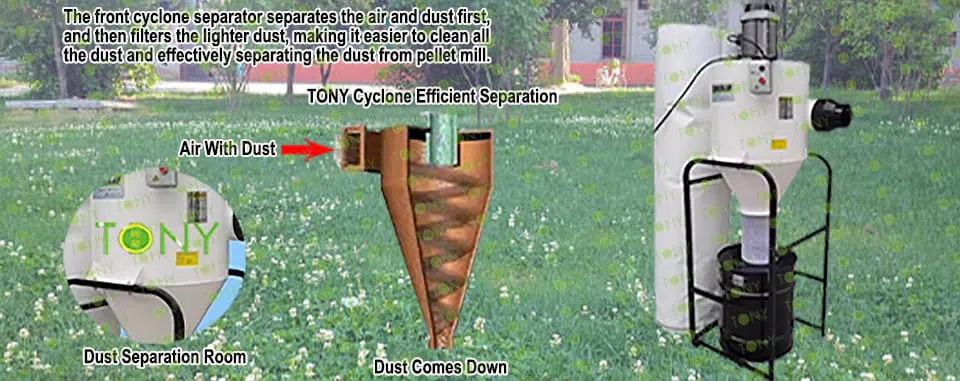
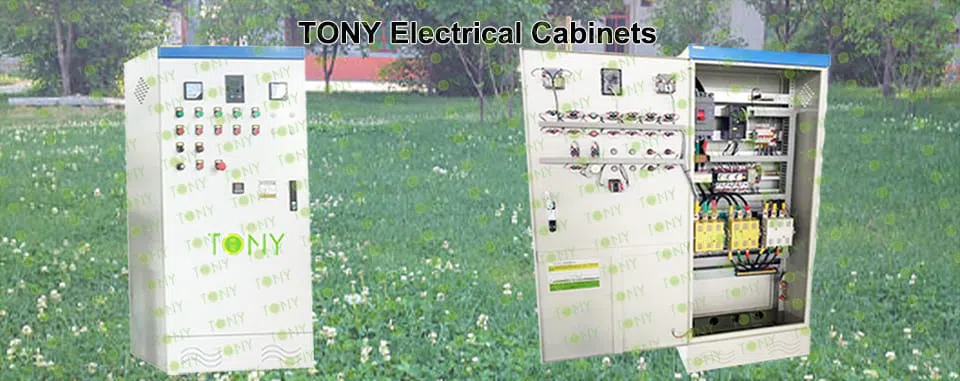
TONY's Alfalfa Pellet Machine
 |  |
 |  |
 |  |
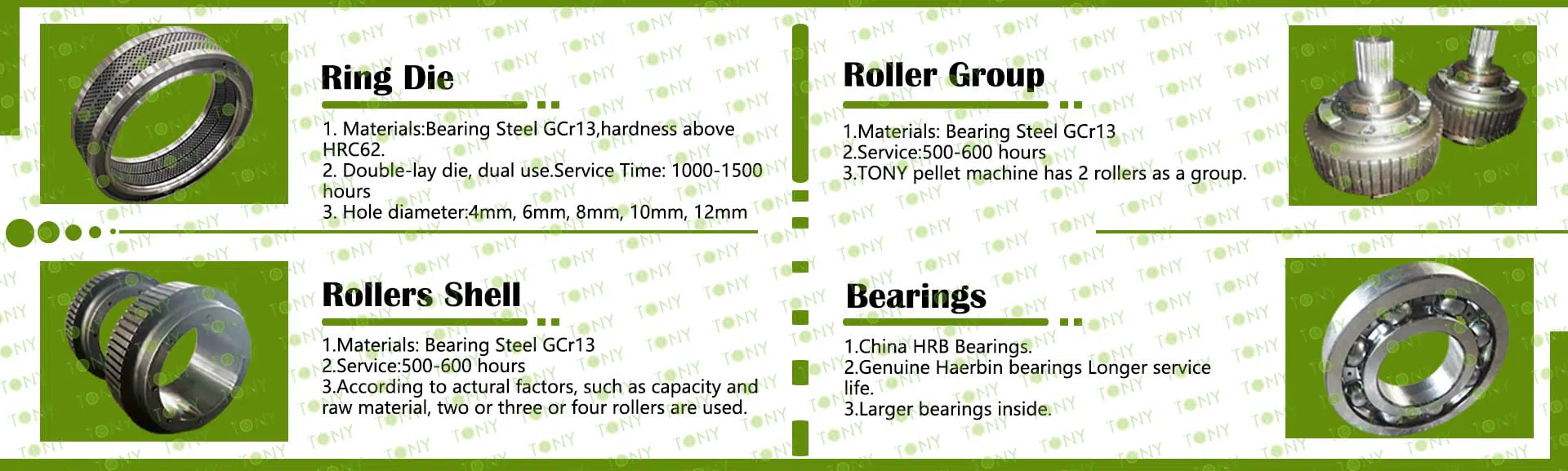
Main Spare Parts
Parameter
TONY Alfalfa Pellet MachineType Model | |||||||||
NO | Model | Main Power | Lubrication Power | Dust Power | Capacity | Weight | Ring Die Inner Size | Machine Size | Remarks |
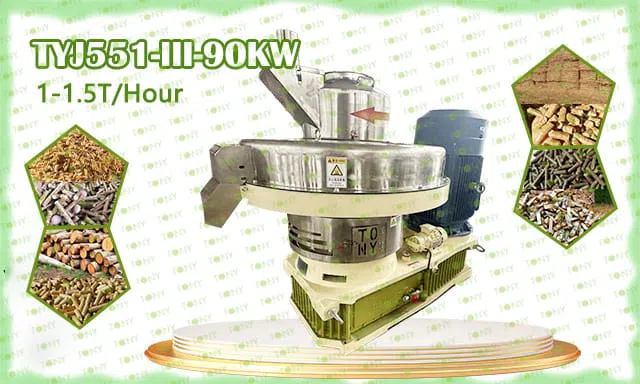
1 | TYJ551-III-90 | 90KW+3KW | 0.25KW | 0.95KW | 1-1.5TPH | 5.2T | 560MM | 2364*1550*1705MM | Same Model For Huixin Brand Gearbox Everthing the same,just motor different |
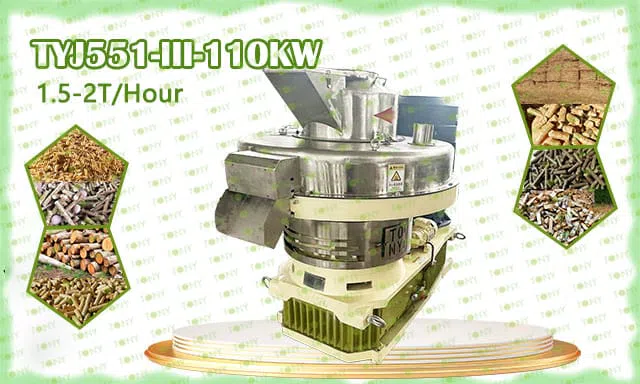
2 | TYJ551-III-110 | 110KW+3KW | 0.25KW | 0.95KW | 1.5-2TPH | 5.3T | 560MM | 2364*1550*1705MM | |
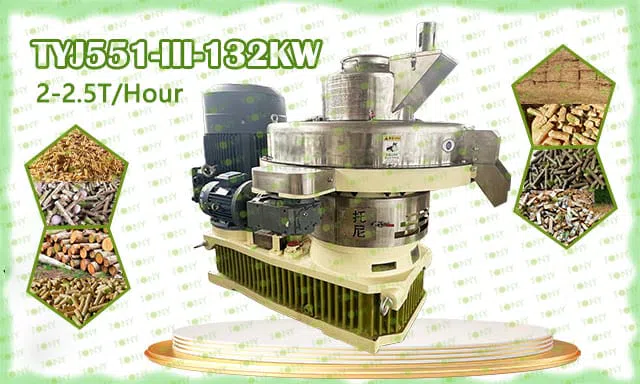
3 | TYJ551-III-132 | 132KW+3KW | 0.25KW | 0.95KW | 2-2.5TPH | 5.5T | 560MM | 2364*1550*1705MM | |
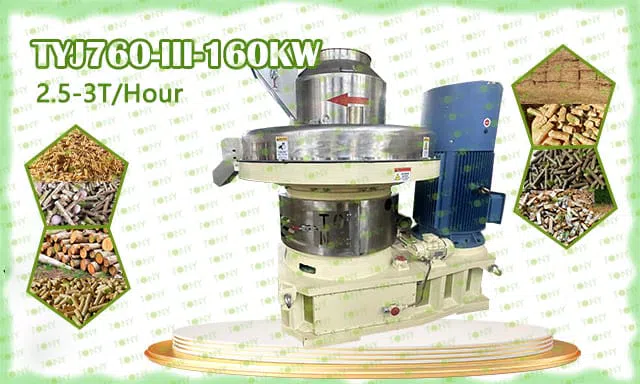
4 | TYJ760-III-160 | 160KW+4KW | 0.25KW | 0.95KW | 2.5-3TPH | 9T | 760MM | 2464*1750*2150MM | Huixin Brand Gearbox |
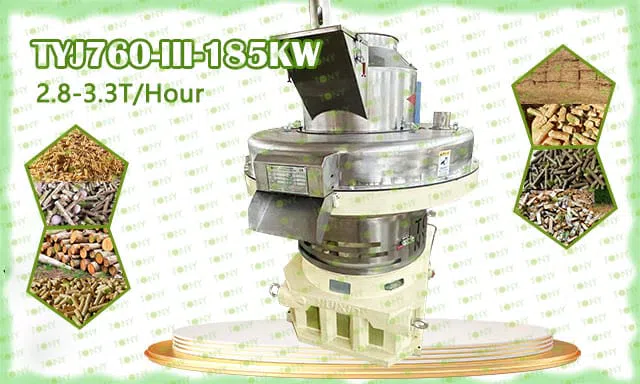
5 | TYJ760-III-185 | 185KW+4KW | 0.25KW | 0.95KW | 2.8-3.3TPH | 9.2T | 760MM | 2564*1850*2150MM | Bigger Model Huixin Brand Gearbox |
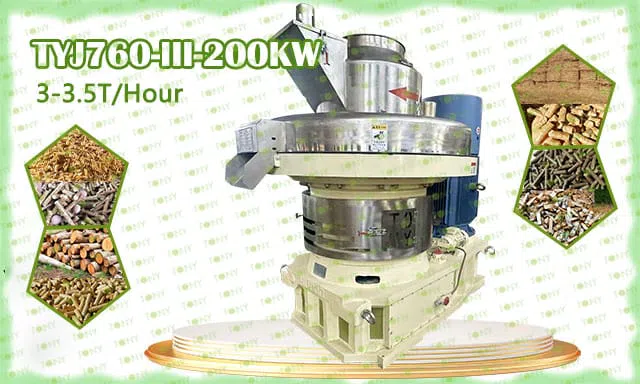
6 | TYJ760-III-200 | 200KW+4KW | 0.25KW | 0.95KW | 3-3.5TPH | 9.3T | 760MM | 2564*1850*2150MM | Bigger Model Huixin Brand Gearbox |
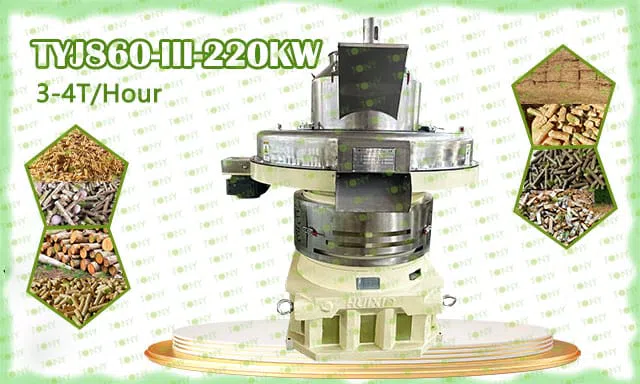
7 | TYJ850-III-220 | 220KW+4KW | 0.25KW | 0.95KW | 3-4TPH | 11T | 860MM | 2664*1950*2150MM | Huixin Brand Gearbox |
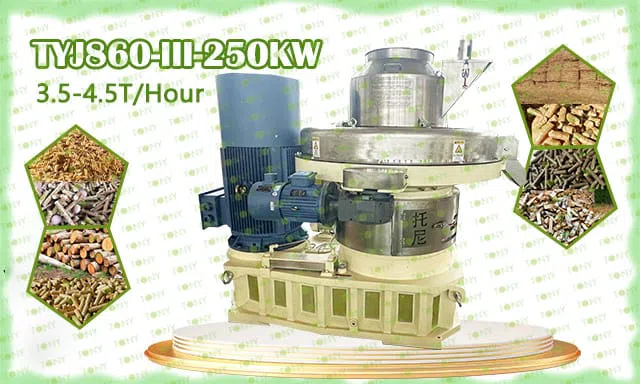
8 | TYJ860-III-250 | 250KW+4KW | 0.25KW | 0.95KW | 3.5-4.5TPH | 12T | 860MM | 2864*2150*2150MM | Bigger Model for Huixin Brand Gearbox |
9 | TYJ860-III-280 | 280KW+4KW | 0.25KW | 0.95KW | 4-5TPH | 13T | 860MM | 2864*2150*2150MM | Bigger Model for Huixin Brand Gearbox |
10 | TYJ860-III-315 | 315KW+4KW | 0.25KW | 0.95KW | 4.5-5TPH | 14T | 860MM | 2864*2150*2200MM | Bigger Model for Huixin Brand Gearbox |
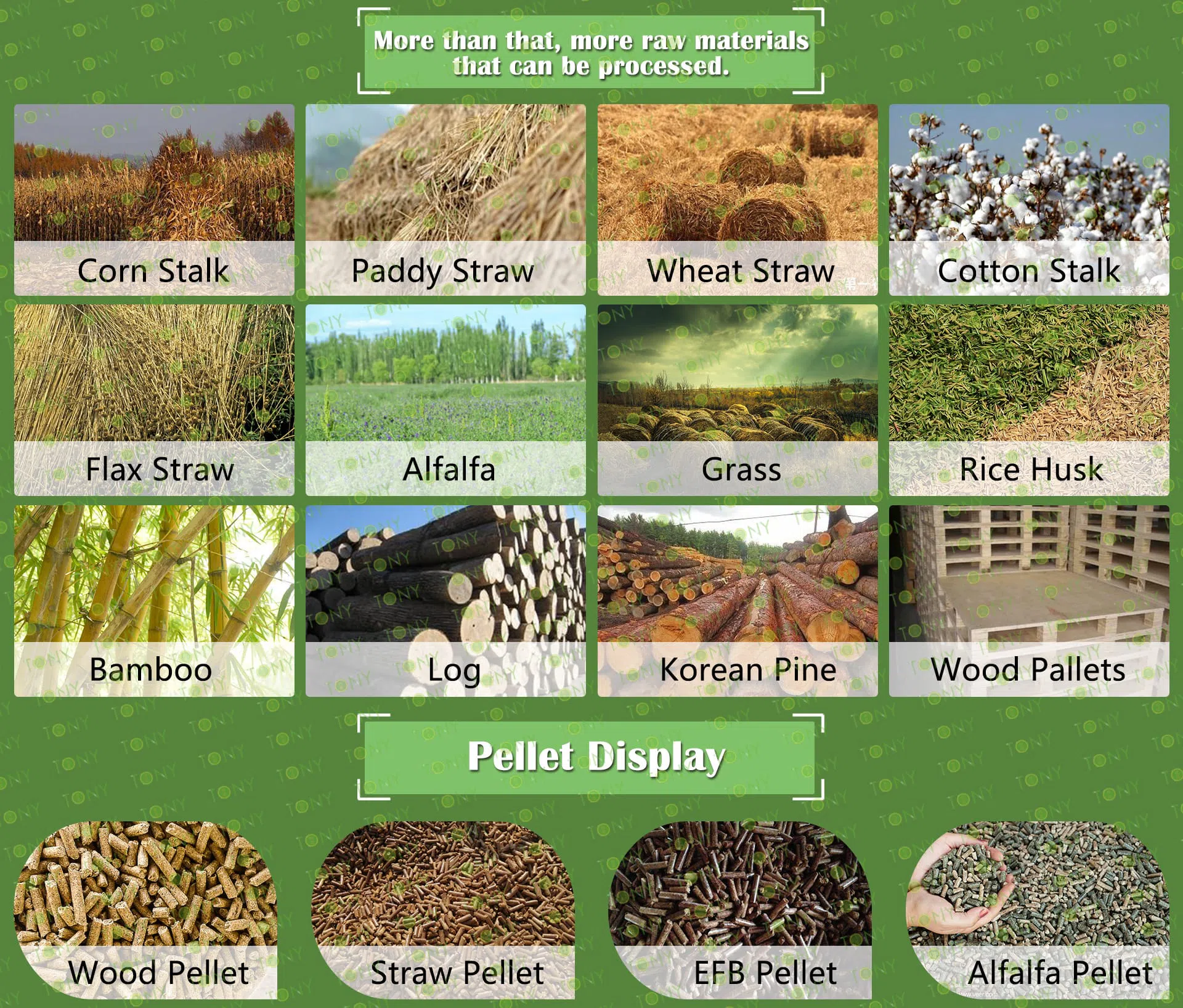
Suitable Raw Materials
1. Agricultural Raw Materials
Crop straw: wheat straw, corn straw, rice straw, sorghum straw, etc., is one of the main raw materials for biomass pellets in my country, with a wide range of sources and low cost.
Grain processing waste: rice husks, wheat bran, corn cobs, peanut shells, cottonseed hulls, etc. These materials have relatively high density and produce pellets with a good calorific value.
Oil crop waste: rapeseed hulls, sunflower seed hulls, tea oil hulls, etc. Some contain a certain amount of oil and have good combustion performance.
2. Forestry Raw Materials
Wood processing waste: sawdust, wood shavings, and wood chips (from furniture factories and lumber processing plants). These materials have a good fiber structure, resulting in pellets with uniform texture and high calorific value, making them common raw materials for high-quality biomass pellets.
Forestry waste: branches, bark, fallen leaves, dead branches, etc., can also be used for pelleting after pulverization, especially in areas with abundant forest resources.
Artificial board waste: discarded plywood, fiberboard, etc. (Care should be taken to avoid materials with excessive glue content or harmful additives to prevent pollutants from burning).
3. Other Plant-Based Raw Materials
Herbs: Reeds, thatch, bagasse (waste from the sugar industry), sweet sorghum stalks, etc., with bagasse being more widely used in southern China.
Energy Crops: Plants specifically cultivated for biomass energy production, such as switchgrass and elephant grass, grow rapidly, have high yields, and are suitable for large-scale processing.
4. Selected Industrial/Domestic Organic Waste (Must Meet Environmental Standards)
Food Processing Waste: Fruit shells (such as walnut shells and chestnut shells), pomace (such as apple pomace and citrus pomace), distiller's grains, etc., must be dried before use.
Waste Clothing/Fabric: Textile waste made from pure plant fibers (such as cotton and linen) can be used as auxiliary raw materials after shredding and fiberization (avoiding chemical fibers or contaminants).
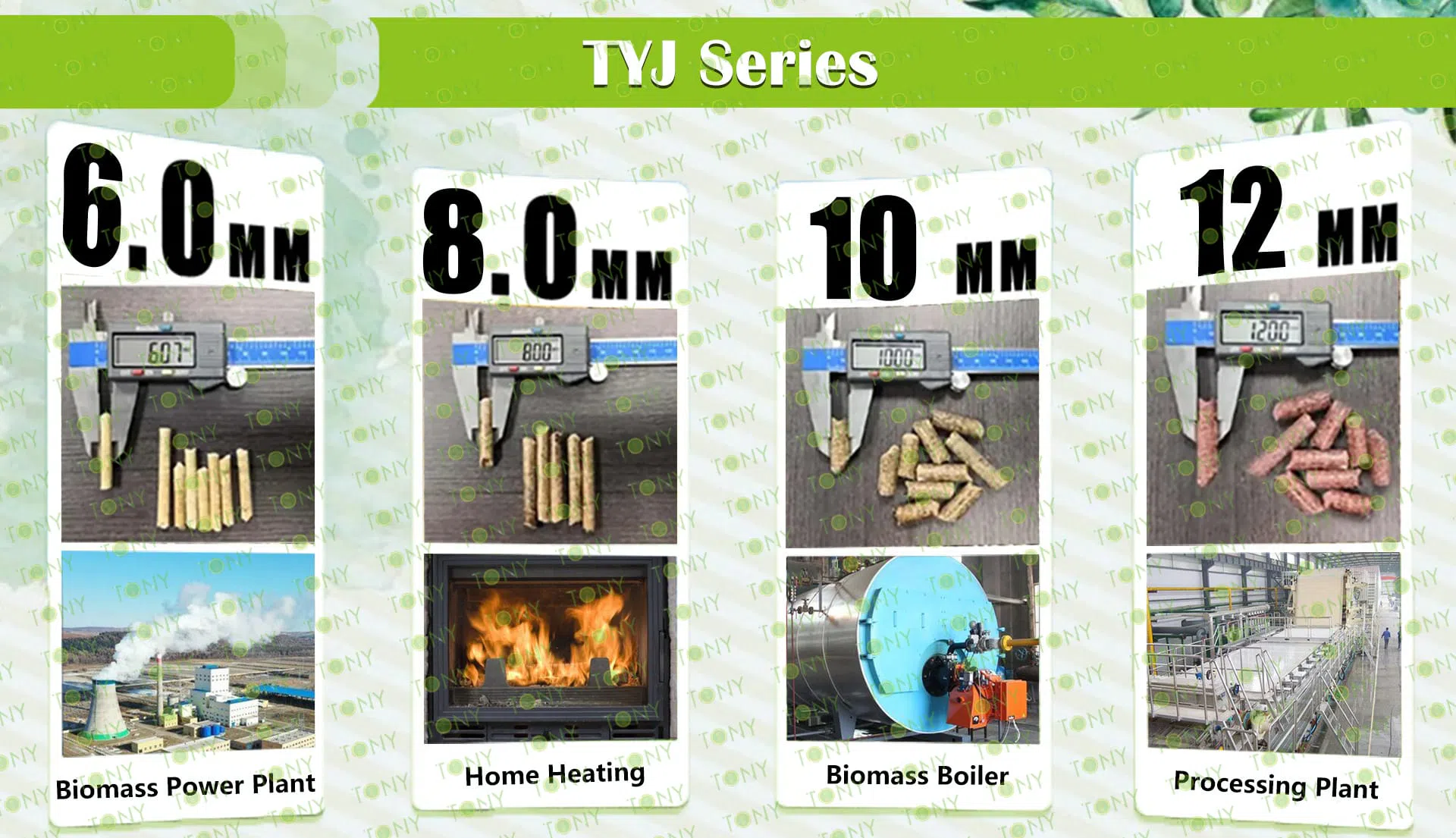
What Are The Biomass Pellets Used For?
1.Industrial Heating:
In industries such as wood processing, food processing, and textile printing and dyeing, the high-temperature flue gas generated by burning biomass pellets can be directly used to heat boilers, providing steam or hot water for production processes. This replaces traditional fuels like coal and oil, reducing production costs while meeting environmental requirements.
2.Residential Heating:
Biomass pellet heating stoves are easy to operate, feature clean, smokeless combustion, and offer relatively low heating costs. They can provide residents with a warm and comfortable living environment, especially in rural areas and urban-rural fringe areas, and have broad application prospects.
3.Power Generation:
Biomass pellets can be used as fuel in biomass power plants, where combustion drives steam turbines to generate electricity. Compared to traditional thermal power generation, biomass power generation not only reduces dependence on fossil fuels but also effectively processes large amounts of agricultural and forestry waste, achieving a win-win situation for both energy production and environmental protection.
4.Animal Husbandry:
In the livestock industry, biomass pellets can be used to heat livestock sheds and dry feed. Using biomass pellet heating stoves to provide a warm environment in livestock sheds during cold winters helps improve livestock performance and health. At the same time, using the heat generated by the combustion of biomass pellets to dry the feed can extend the shelf life of the feed and ensure the quality of the feed.
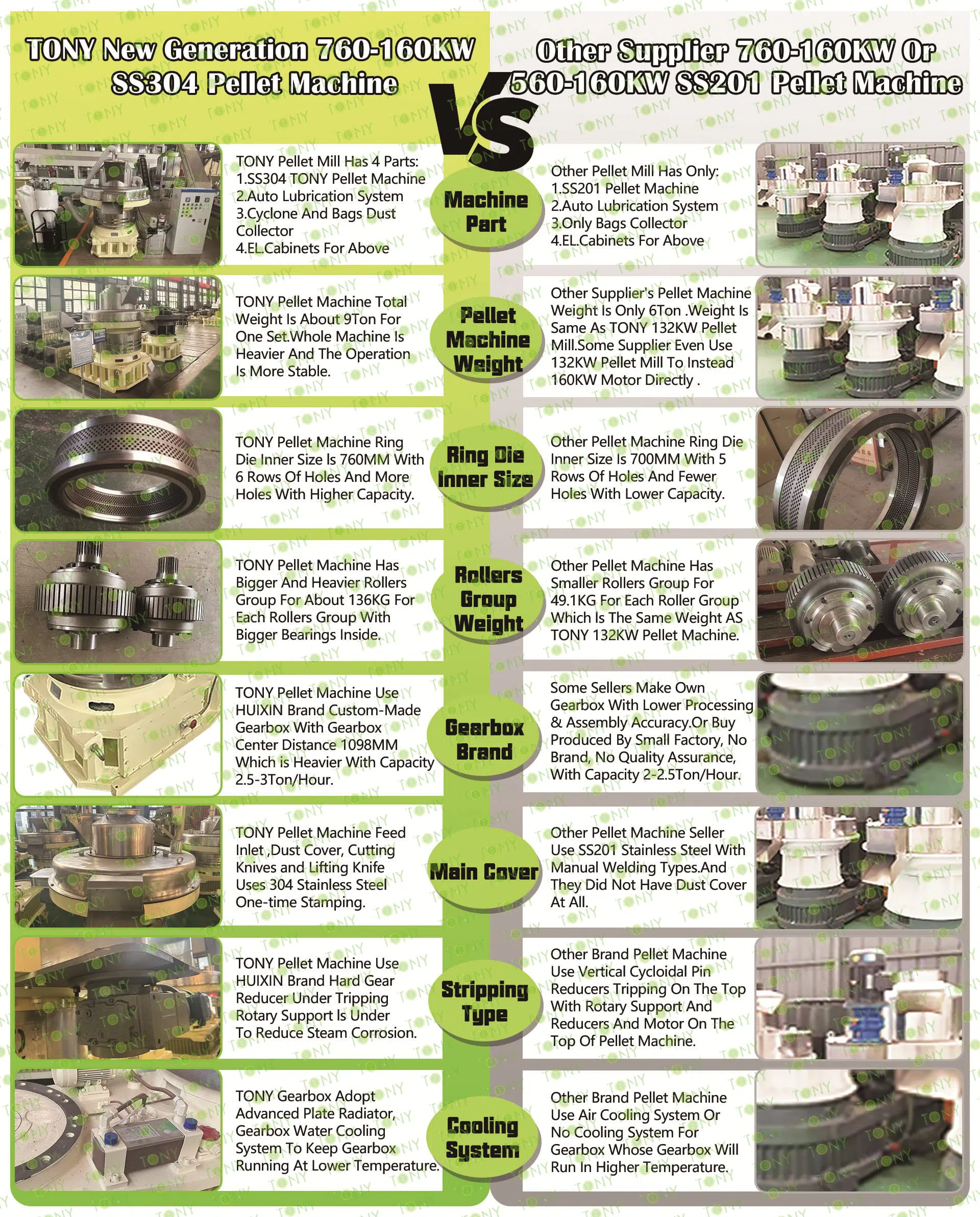
Alfalfa Pellet Machine Details
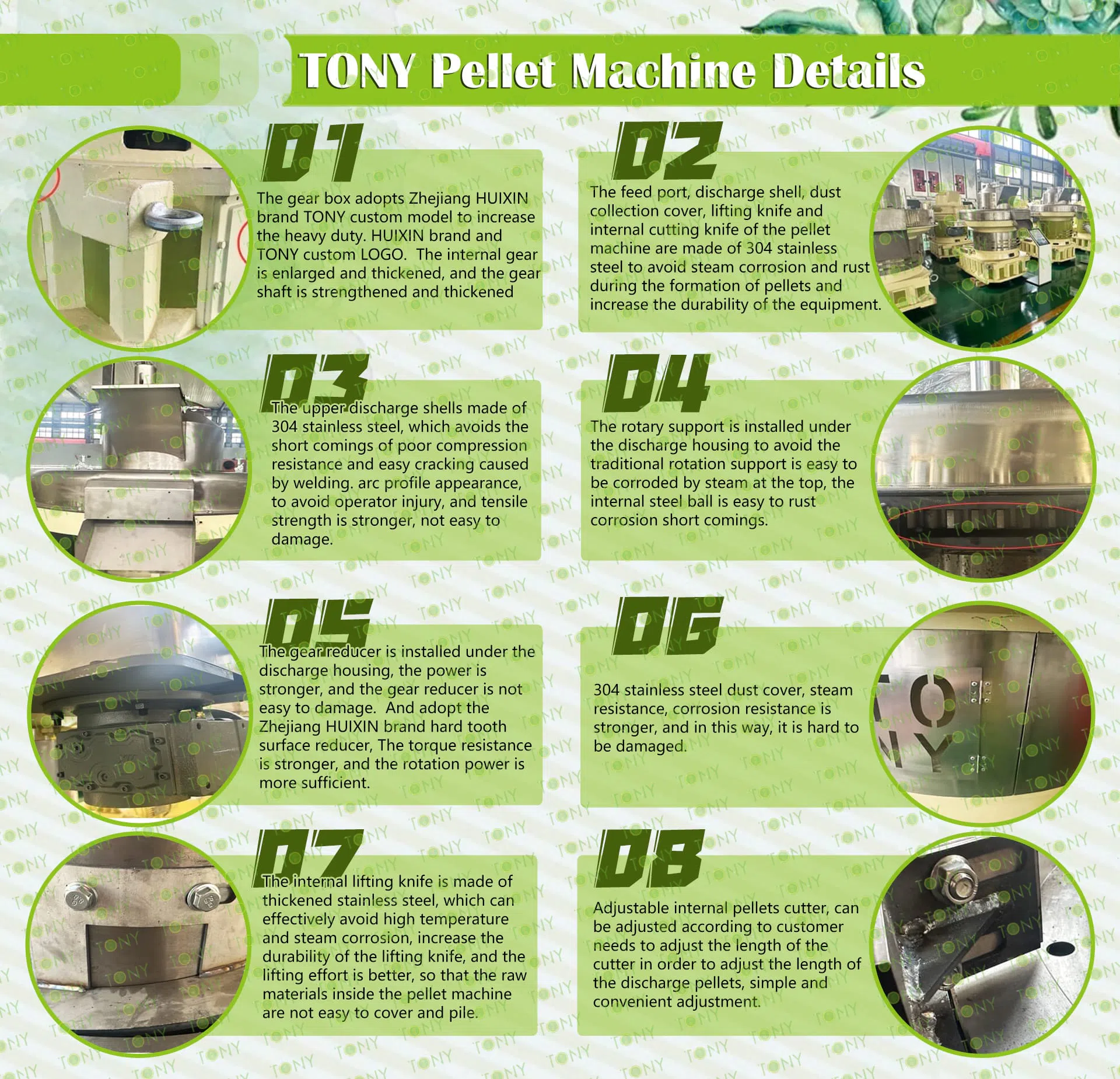
Alfalfa Pellet Machine Unique Advantages
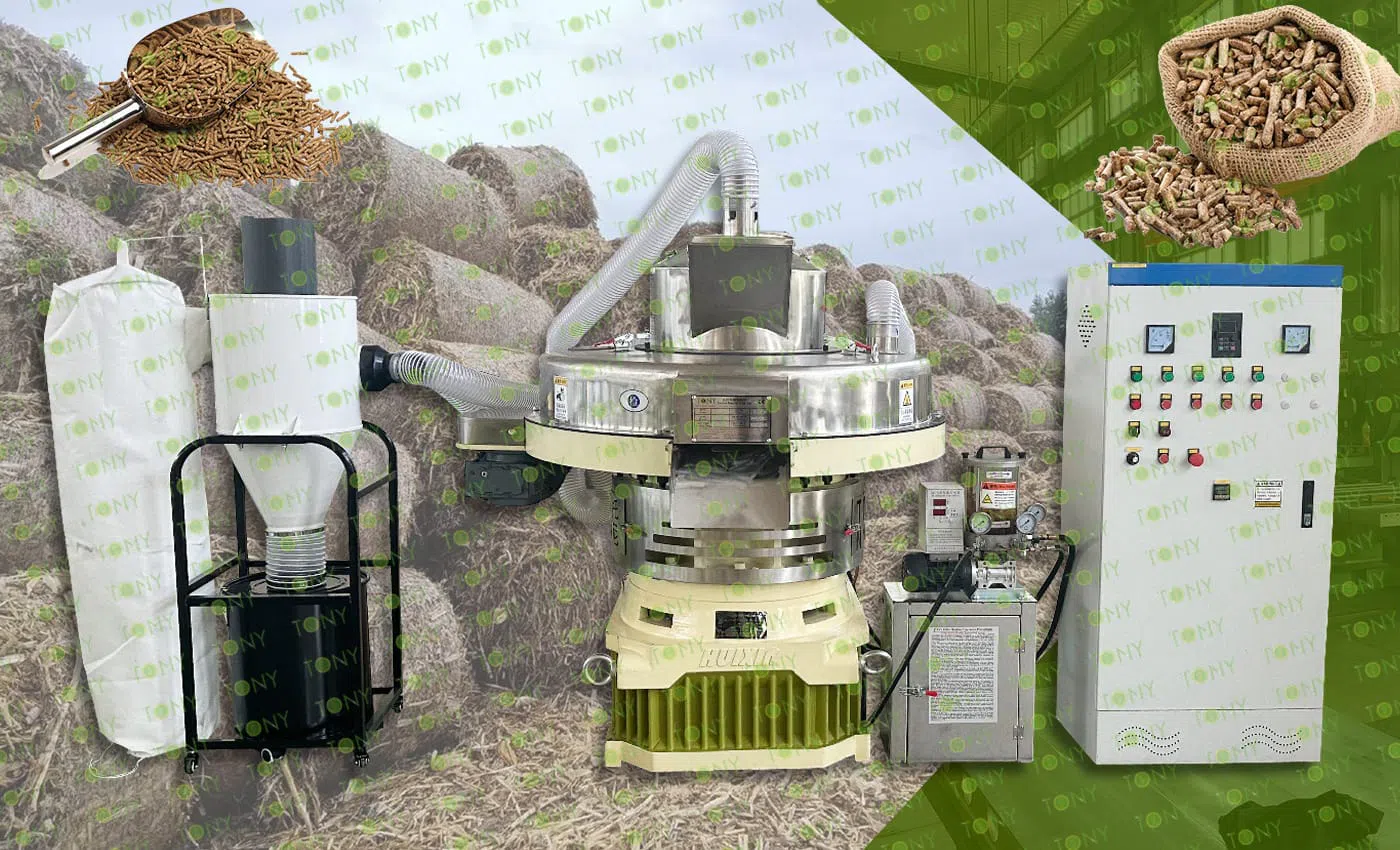
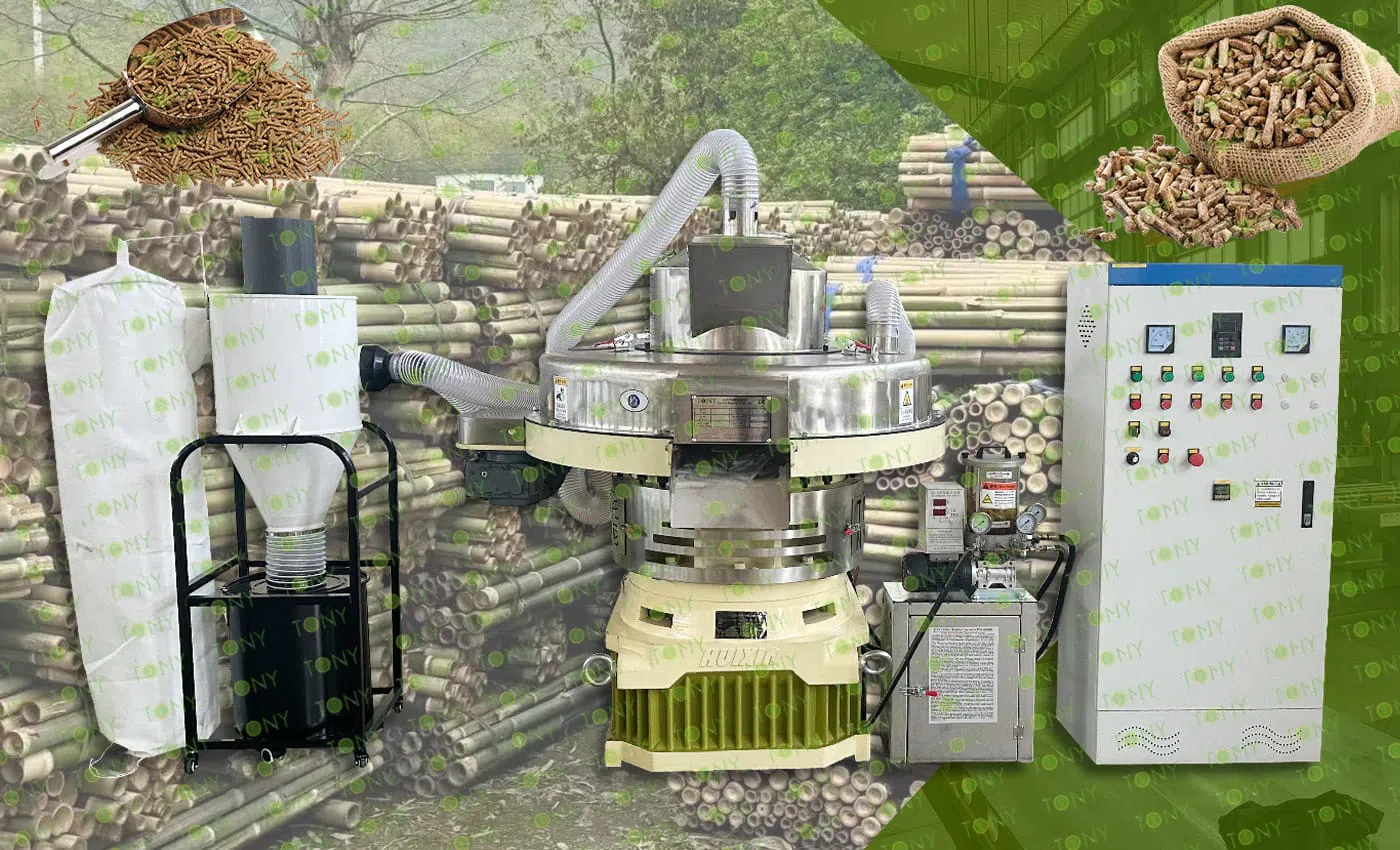
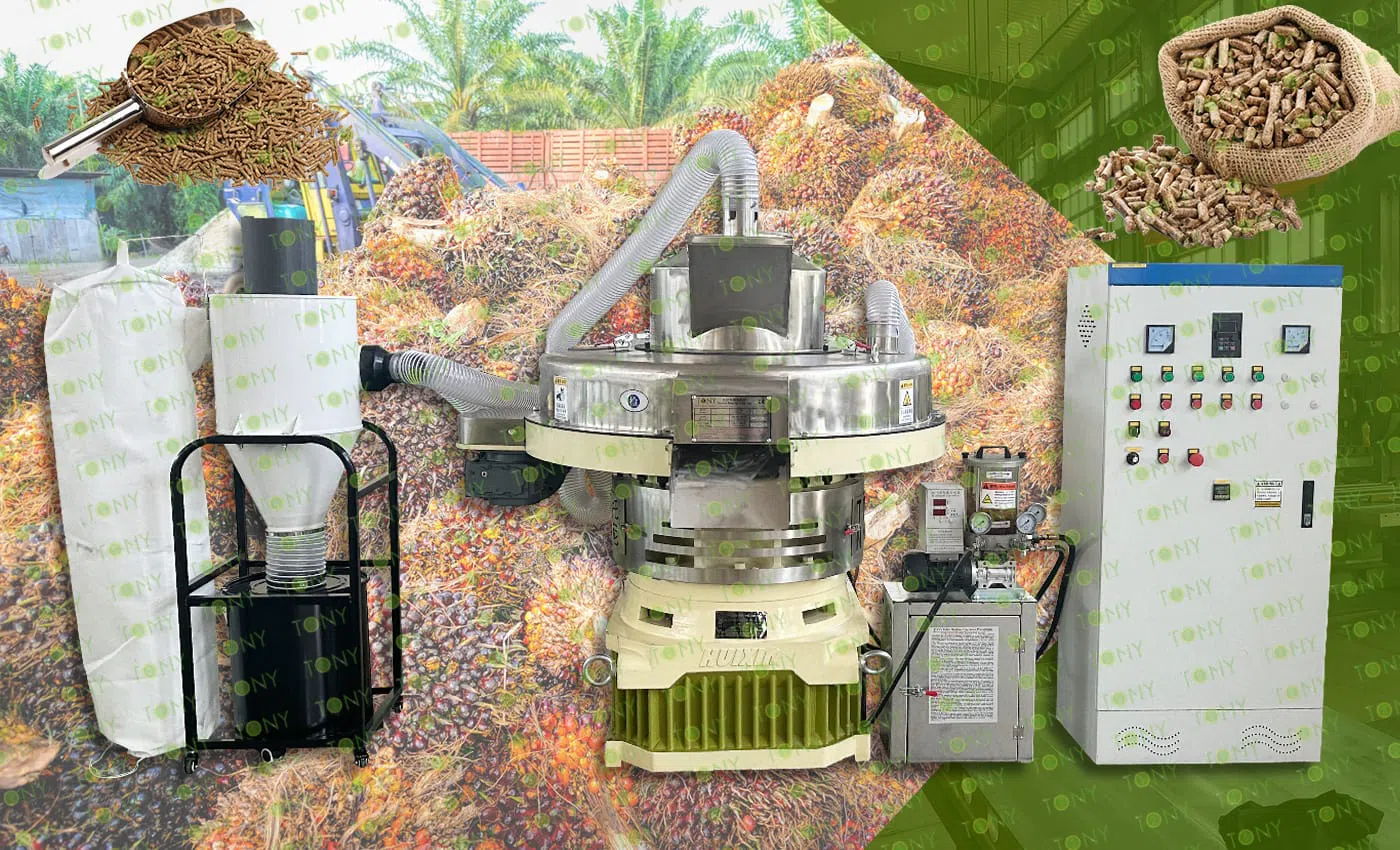
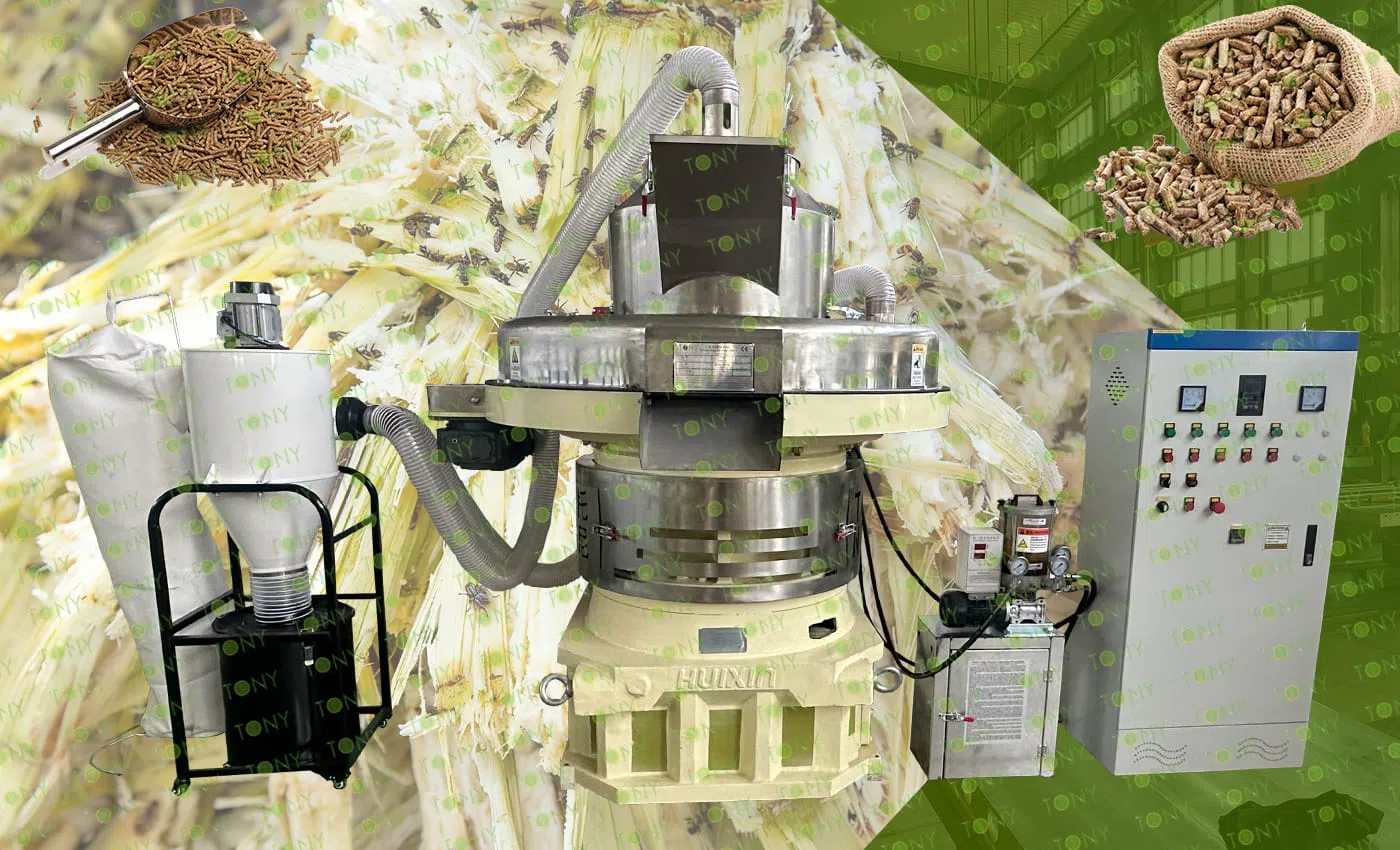
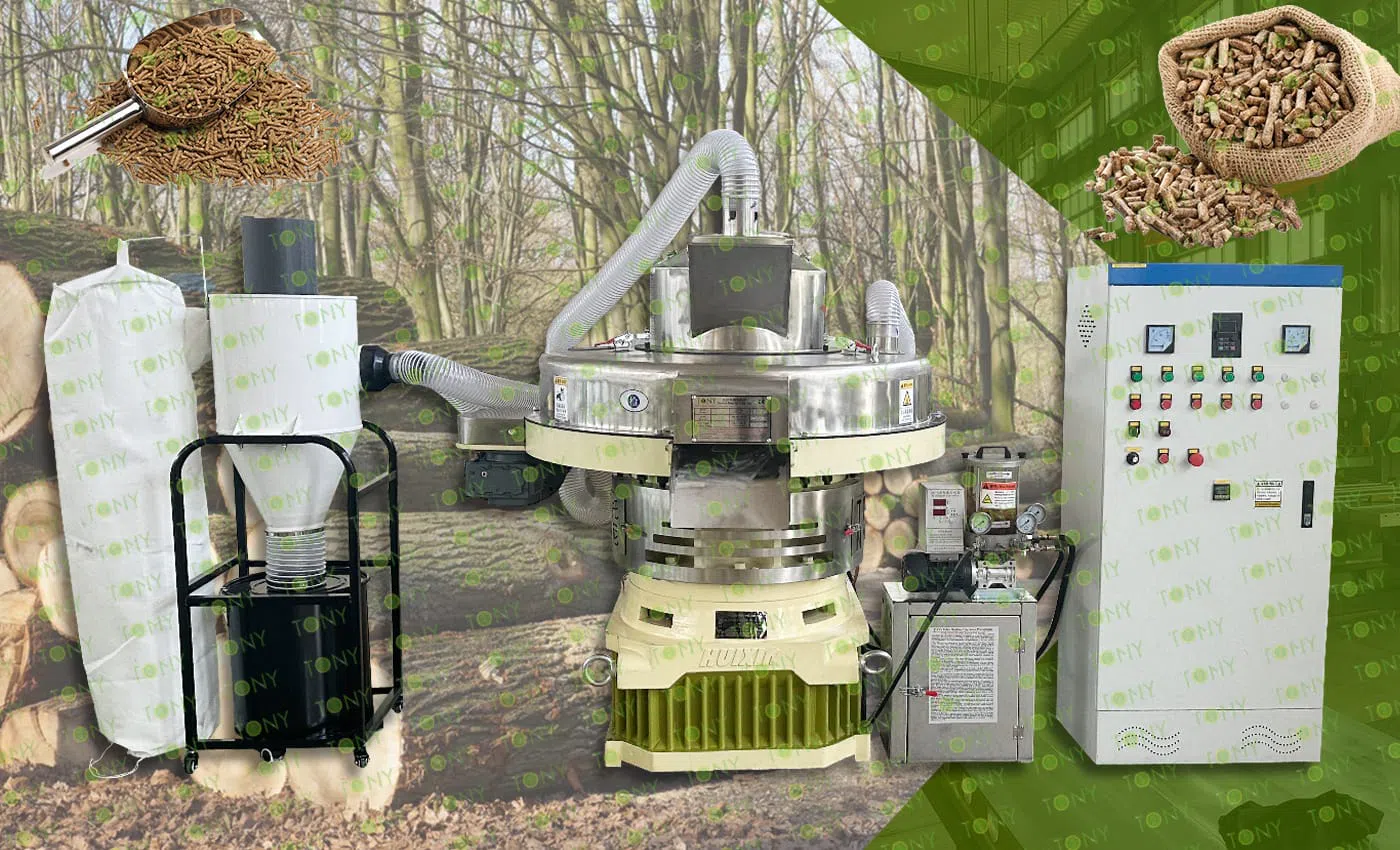
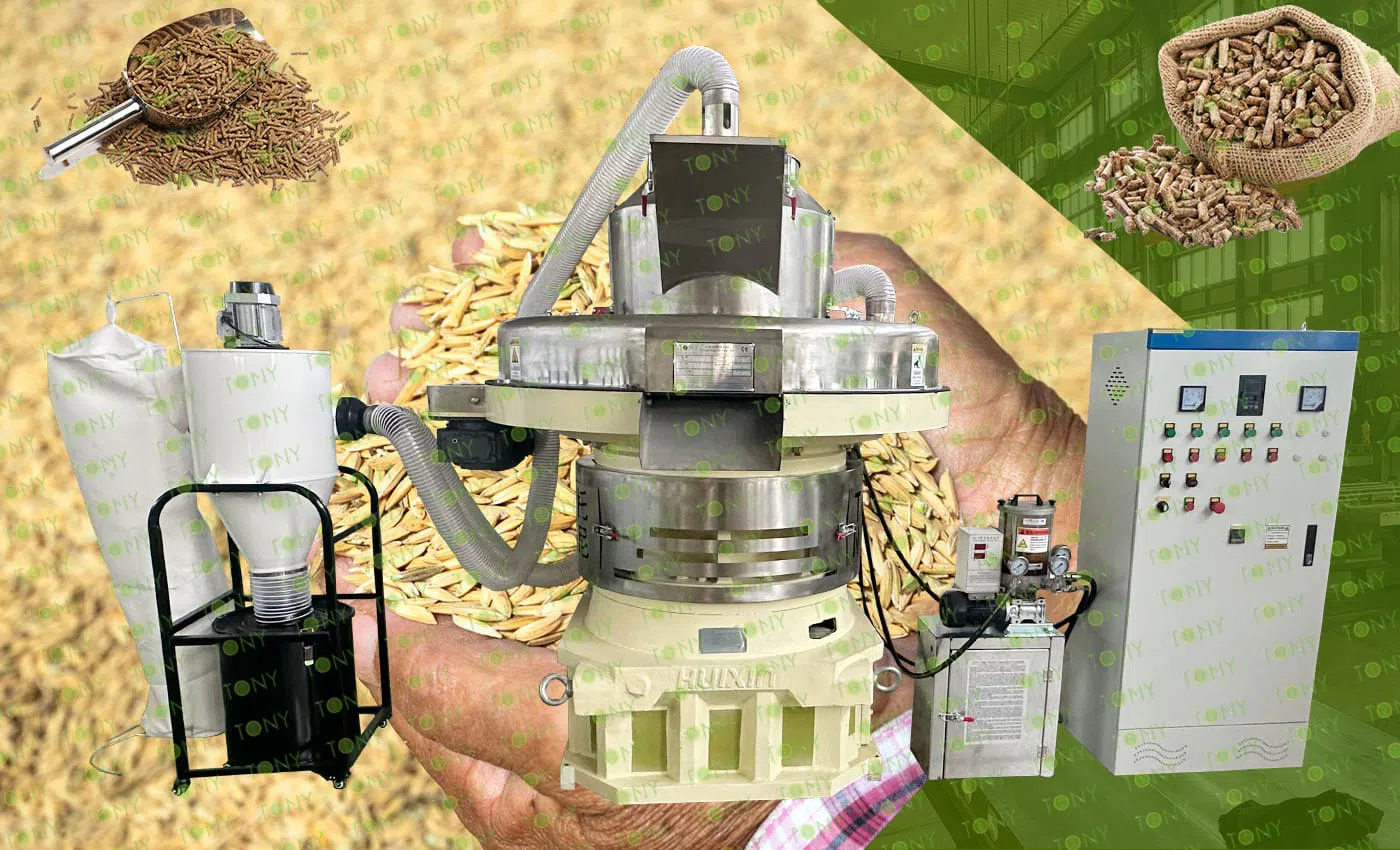
Other Models Pellet Machine
 |  |  |
 |  |  |
Pellet Machine With Different Output
Customer Case
Key Points for Selecting a Pellet Mill
1.Production Capacity:
Based on your own production requirements, choose a biomass pellet machine with an appropriate production capacity, ranging from a few tons to several tens of tons per hour.
2.Raw Material Adaptability:
Different pellet machines have different adaptability to raw materials. According to the types of raw materials used, such as softwood, hardwood, straw, rice husk, etc., select a pellet machine that can efficiently process these raw materials.
3.Mold and Roller Materials:
The mold and roller are the key wear-prone components of the pellet machine. The wear resistance of the material directly affects the service life and production cost of the equipment. Choose molds and rollers made of high-strength and wear-resistant materials.
4.Automation Level:
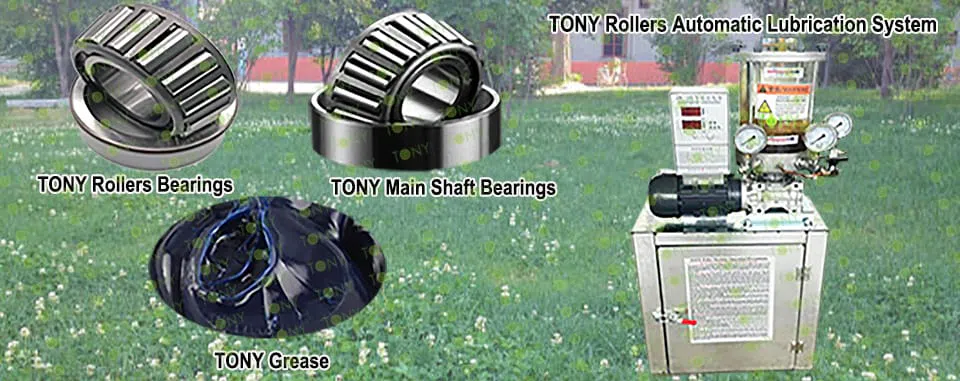
High-automation pellet machines have simple and convenient operation, can reduce labor costs and labor intensity, improve production efficiency and product quality, such as equipment with automatic lubrication, intelligent temperature control, fault alarm and other functions.
5.After-sales Service:
Since biomass pellet machines are heavy-duty equipment used frequently, they are prone to failure. Therefore, excellent after-sales service is crucial, including equipment installation and commissioning, training, maintenance, spare parts supply, etc.
If You Are Interested ,Please Send Us Inquiry Freely.
Before quotation we need to know:
1. What's the capacity you plan to produce?
2. What's the raw material?
3. What's the size of the raw material?
4. What's the moisture content of your raw materials?
5. What's the final pellet size do you want?


