

As the global push for carbon neutrality accelerates and China's "Dual Carbon" strategy moves into deeper implementation, the biomass pellet processing industry is emerging as a key pillar of the country's green energy transition.
For decades, the traditional economic development model—defined by high energy consumption, high emissions, and high waste—has placed mounting pressure on the environment. The over-exploitation of fossil fuels such as coal and oil has not only depleted non-renewable resources but also triggered excessive greenhouse gas emissions, air pollution, and ecological imbalances.
In response, the research, development, and industrial application of renewable, clean energy have become a top priority in energy structure reform. Among renewable sources, biomass energy stands out as the only option that is storable, transportable, and capable of replacing fossil fuels on a large scale. It offers abundant resource availability, low-carbon environmental benefits, and renewability.
A Critical Challenge: Waste Management
China generates over one billion tons of usable agricultural and forestry biomass waste annually, according to industry statistics. However, the comprehensive utilization rate of this waste has long remained low.
Historically, most of this biomass waste has been handled through open-air burning, haphazard dumping, or on-site landfilling. Open-air burning releases significant amounts of carbon dioxide, sulfides, nitrogen oxides, and particulate matter, making it a primary source of air pollution in rural and suburban areas. Indiscriminate dumping and landfilling consume land resources while causing soil compaction and water pollution.
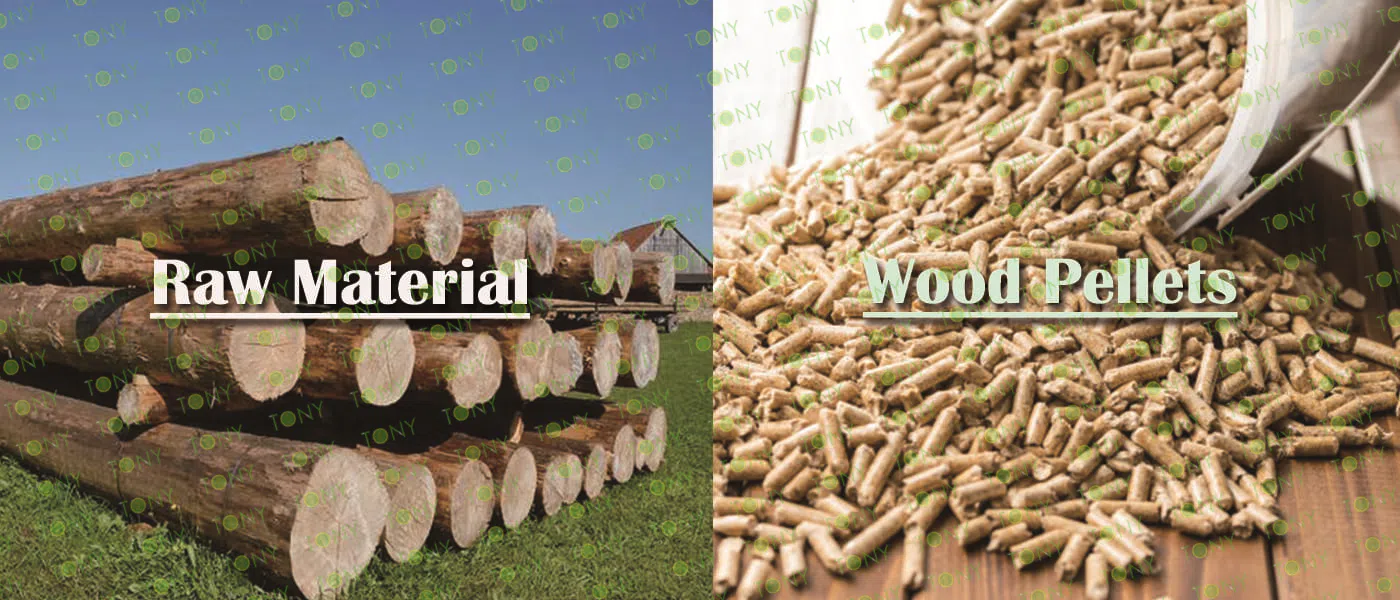
From Waste to Resource: The Role of Pellet Processing
The biomass pellet processing industry serves as the core vehicle for the resource utilization of biomass energy. By recycling and reprocessing agricultural and forestry residues, as well as industrial woody waste, it transforms waste into valuable resources and establishes a complete low-carbon circular industrial chain.
China's vast territory and abundant agricultural and forestry resources provide a unique foundation for this industry. Agricultural production generates substantial waste—including straw, rice husks, and fruit shells from crops such as wheat, corn, rice, and peanuts. Forestry maintenance, logging, and timber processing yield branches, bark, sawdust, and offcuts. Urban landscaping, bamboo and wood processing, and furniture manufacturing also produce significant quantities of woody waste.
The biomass pellet processing industry thus acts as a key industrial pillar supporting China's low-carbon circular development and green energy transition, converting underutilized waste streams into a stable, renewable fuel source.


