Brief Introduction
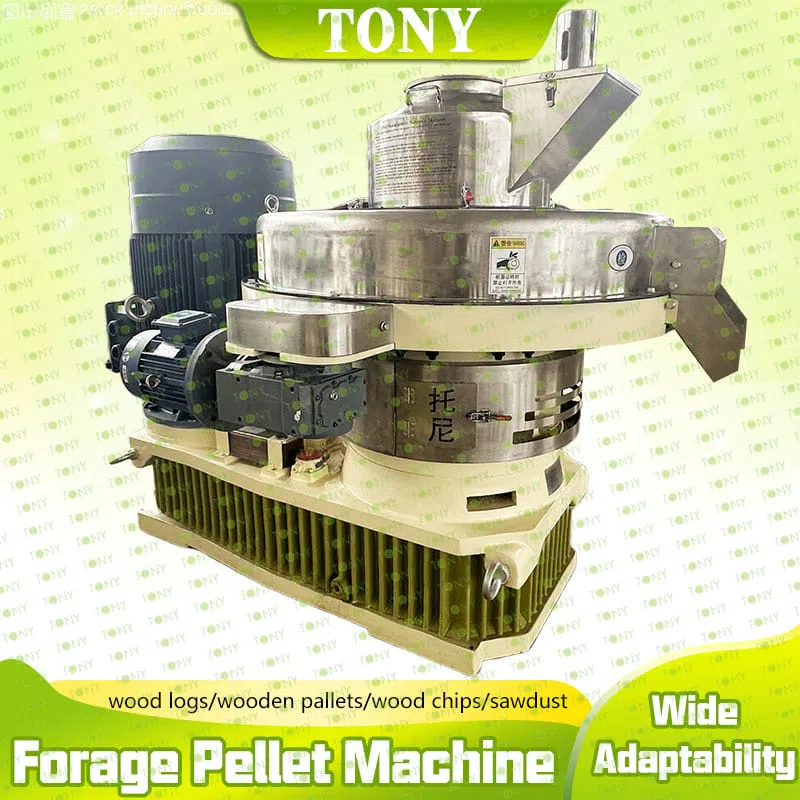
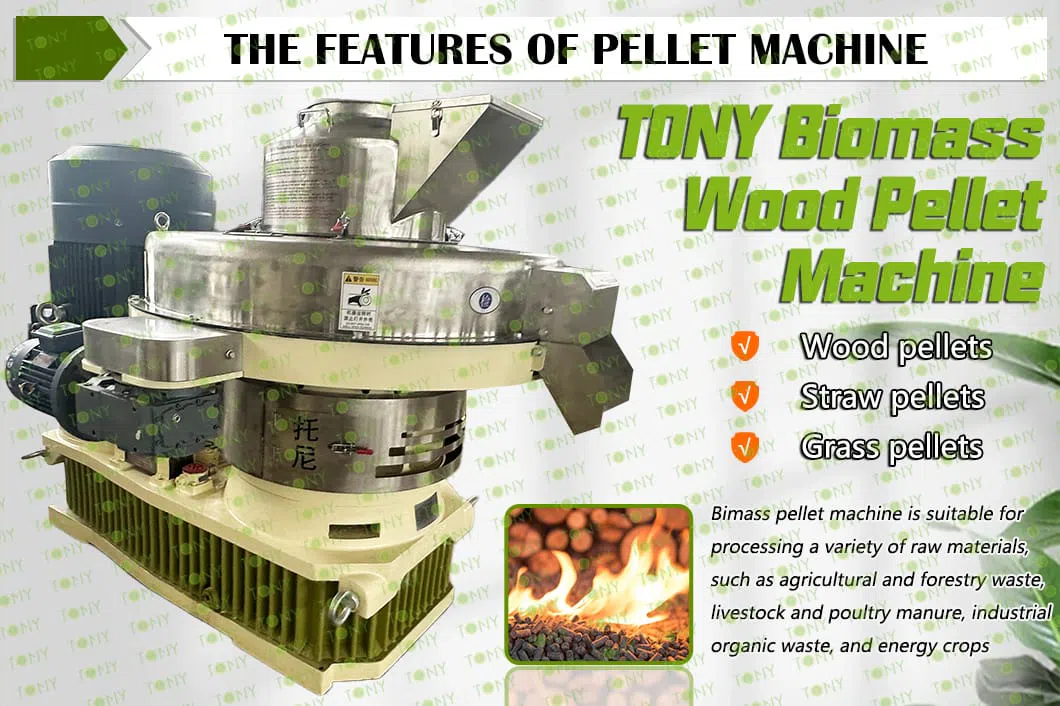
The forage pellet mill is specialized extrusion equipment designed for processing various types of forage and agricultural/forestry crop residues (such as straw); it serves as a core piece of press in the livestock farming, biomass energy, and organic fertilizer industries. The equipment transforms loose, bulky, and hard-to-store forage raw materials into uniform, moderately dense, and compact cylindrical pellets through a high-pressure mechanical extrusion process. No chemical binders are required; the pellets form naturally by utilizing the material's inherent lignocellulosic fibers, resulting in an eco-friendly, additive-free product.
Working Principle
The forage pellet mill operates on the principles of high-pressure extrusion, high-temperature conditioning, and natural forming. It utilizes the precision interaction between a flat die and pressure rollers to process the material, employing a fully automated, simple, and efficient workflow.
1. Material Feeding: Pre-treated forage raw materials (crushed, dedusted, and moderately air-dried) enter the forming chamber evenly through the inlet. They are distributed uniformly across the die surface, preventing issues such as material accumulation or uneven feeding that could cause blockages.
2. High-Pressure Extrusion and Conditioning: The main shaft drives the pressure rollers to rotate; the relative motion between the rollers and the die generates intense friction and extrusion force. Simultaneously, a constant high temperature of approximately 80°C is generated within the chamber, softening and gelatinizing the forage fibers. This induces a plasticization reaction in the natural lignin, transforming the material into a pliable yet dense consistency.
3. Pellet Forming and Discharge: Under continuous high pressure, the softened forage material is forced through the precision holes of the die to form uniform cylindrical pellets. These are then accurately cut by an internal cutter, allowing for adjustable pellet lengths.
4. Cooling and Collection: The hot, formed pellets are discharged via a distribution plate. Upon natural cooling, they become hard and structurally stable, resisting disintegration. The process yields standardized finished pellets without the need for additional binding agents, achieving a forming rate of over 98%.
Main Parts
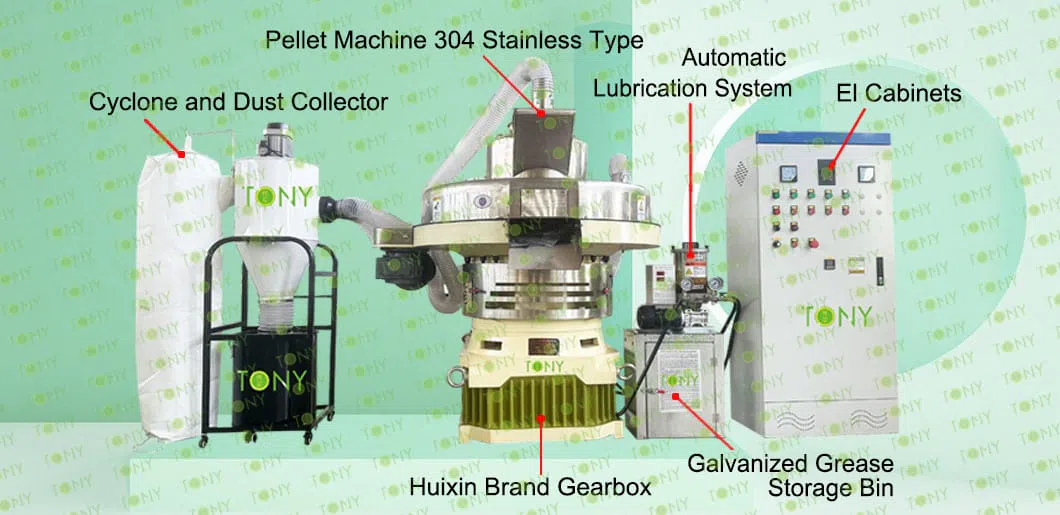
TONY's Forage Pellet Press
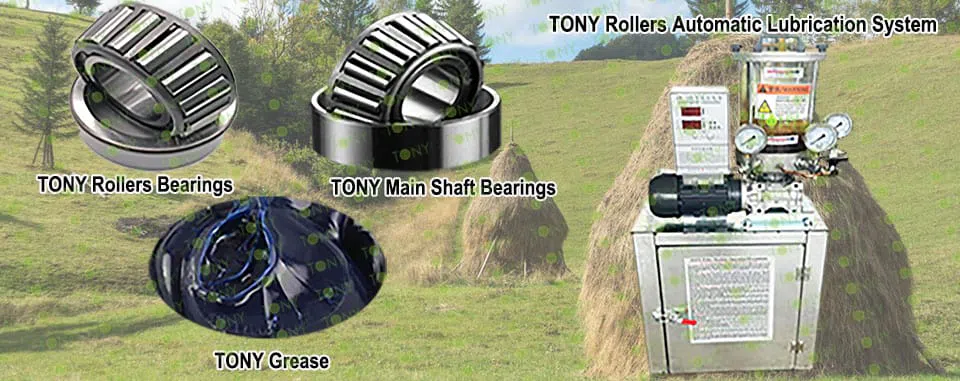 | 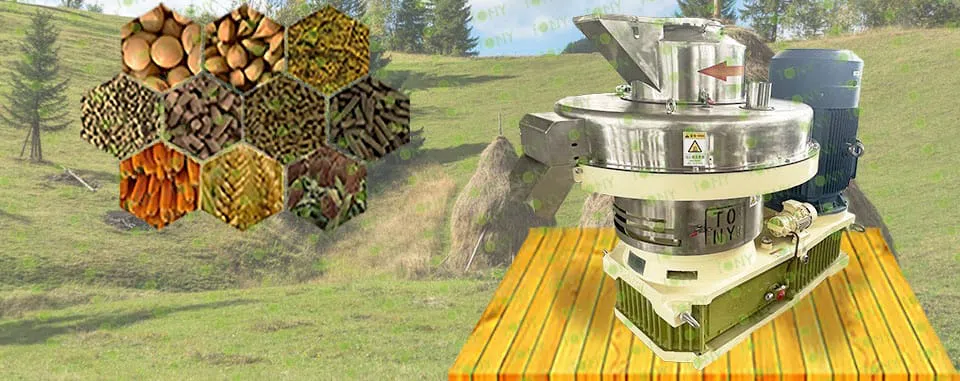 |
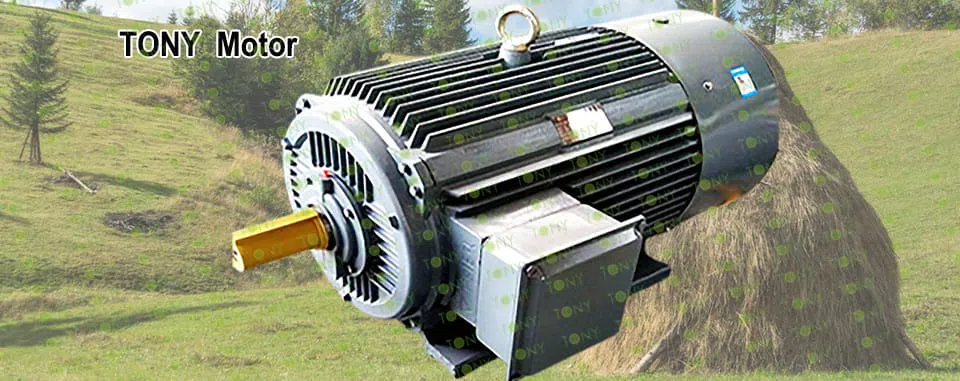 | 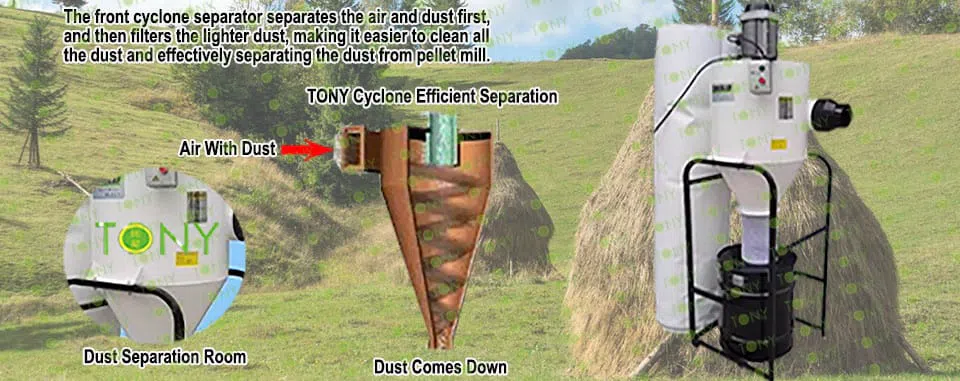 |
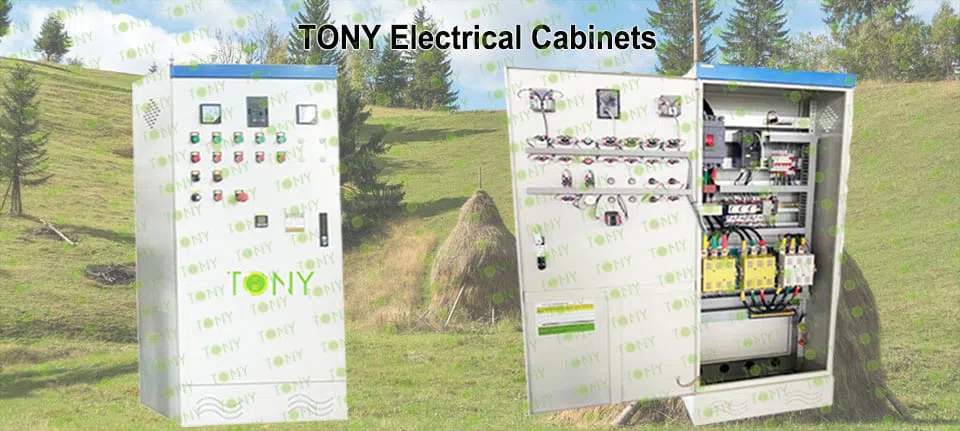 | 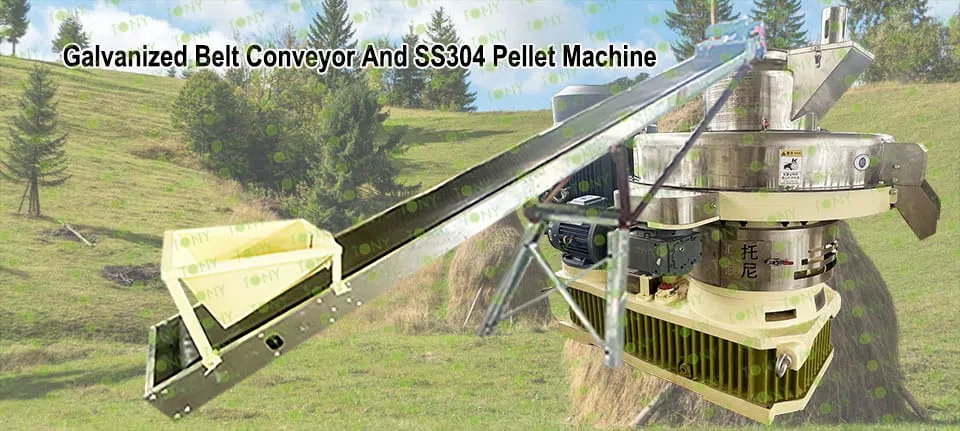 |
Main Spare Parts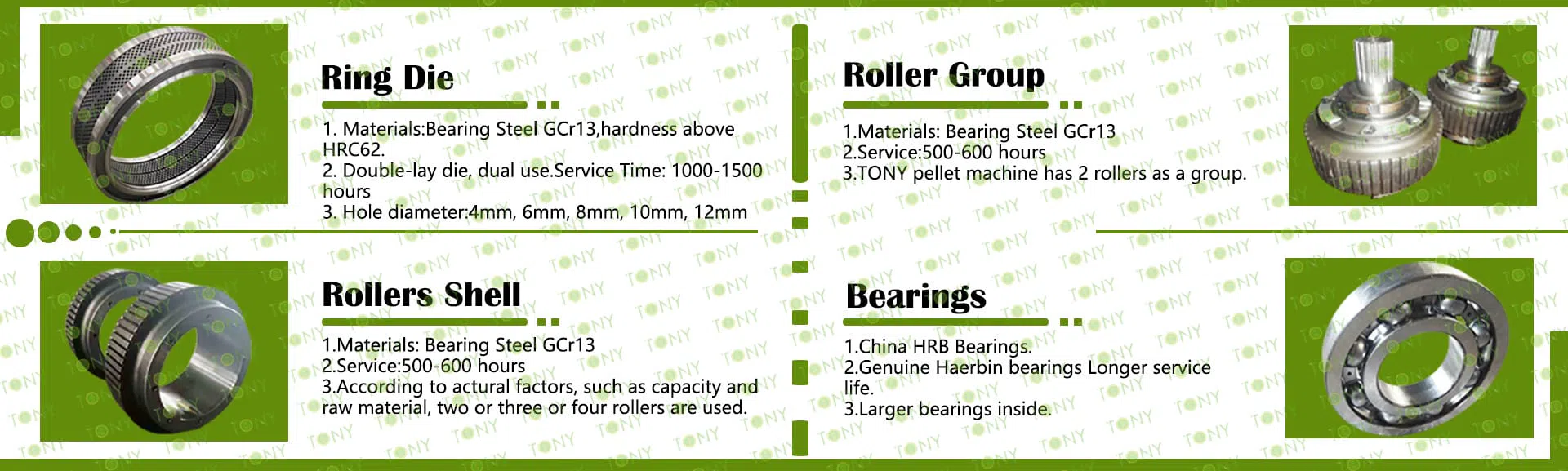
Parameter
TONY Vertical Ring Die Pellet Press Type Model | |||||||||
NO | Model | Main Power | Lubrication Power | Dust Power | Capacity | Weight | Ring Die Inner Size | Machine Size | Remarks |
1 | TYJ551-III-90 | 90KW+3KW | 0.25KW | 0.95KW | 1-1.5TPH | 5.2T | 560MM | 2364*1550*1705MM | Same Model For Huixin Brand Gearbox Everthing the same,just motor different |
2 | TYJ551-III-110 | 110KW+3KW | 0.25KW | 0.95KW | 1.5-2TPH | 5.3T | 560MM | 2364*1550*1705MM | |
3 | TYJ551-III-132 | 132KW+3KW | 0.25KW | 0.95KW | 2-2.5TPH | 5.5T | 560MM | 2364*1550*1705MM | |
4 | TYJ760-III-160 | 160KW+4KW | 0.25KW | 0.95KW | 2.5-3TPH | 9T | 760MM | 2464*1750*2150MM | Huixin Brand Gearbox |
5 | TYJ760-III-185 | 185KW+4KW | 0.25KW | 0.95KW | 2.8-3.3TPH | 9.2T | 760MM | 2564*1850*2150MM | Bigger Model Huixin Brand Gearbox |
6 | TYJ760-III-200 | 200KW+4KW | 0.25KW | 0.95KW | 3-3.5TPH | 9.3T | 760MM | 2564*1850*2150MM | Bigger Model Huixin Brand Gearbox |
7 | TYJ860-III-220 | 220KW+4KW | 0.25KW | 0.95KW | 3-4TPH | 11T | 860MM | 2664*1950*2150MM | Huixin Brand Gearbox |
8 | TYJ860-III-250 | 250KW+4KW | 0.25KW | 0.95KW | 3.5-4.5TPH | 12T | 860MM | 2864*2150*2150MM | Bigger Model for Huixin Brand Gearbox |
9 | TYJ860-III-280 | 280KW+4KW | 0.25KW | 0.95KW | 4-5TPH | 13T | 860MM | 2864*2150*2150MM | Bigger Model for Huixin Brand Gearbox |
10 | TYJ860-III-315 | 315KW+4KW | 0.25KW | 0.95KW | 4.5-5TPH | 14T | 860MM | 2864*2150*2200MM | Bigger Model for Huixin Brand Gearbox |
Suitable Raw Materials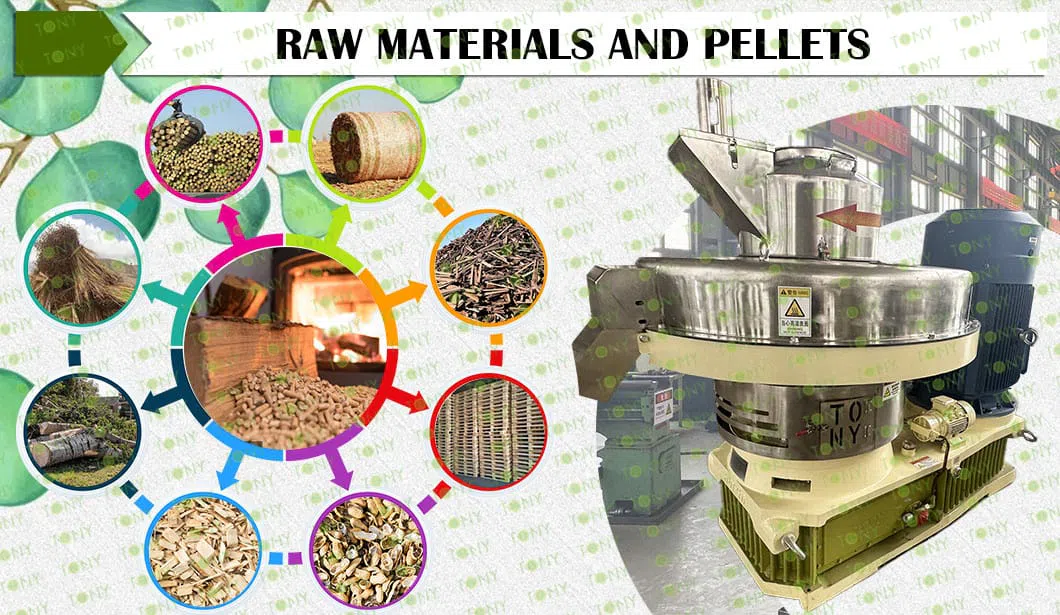
The forage pellet mill is compatible with a wide range of raw materials, including herbaceous forage, crop stalks, and agricultural or forestry waste. Key compatible materials include:
1. Various cultivated forage crops: Alfalfa, ryegrass, sweet elephant grass, king grass, Chinese wild rye (Leymus chinensis), timothy grass, chicory, oat grass, etc.;
2. Various crop stalks: Corn stalks, wheat straw, rice straw, soybean stalks, peanut vines, sweet potato vines, etc.;
3. Other herbaceous materials: Field weeds, forage scraps, stalk offcuts, dried vines and foliage, and other edible herbaceous raw materials.
Application Areas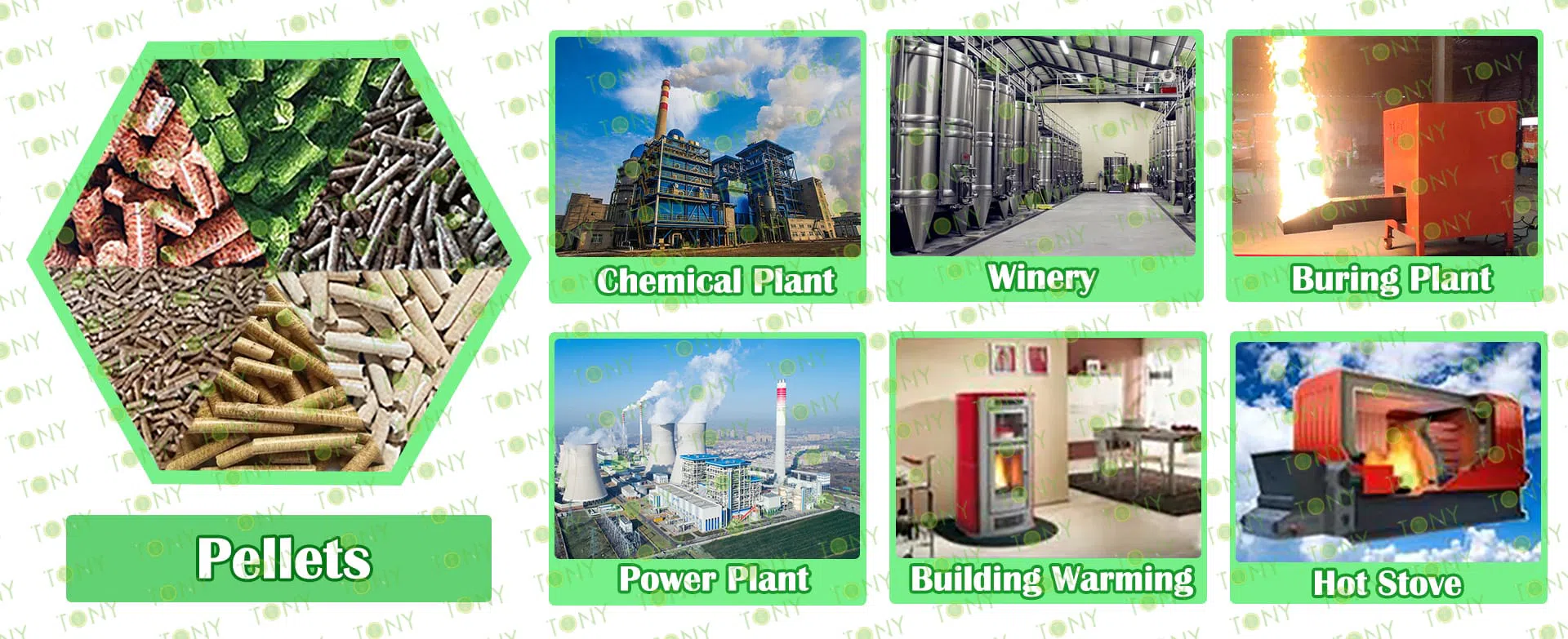
1. Livestock and Poultry Farming
Forage pellet press are widely used in the rearing of cattle, sheep, goats, rabbits, horses, and poultry (chickens, ducks, geese). The processed forage pellets offer balanced nutrition, high palatability, and excellent digestibility, serving as a primary roughage source that replaces loose forage. Suitable for a range of operations—from small-scale household farms to large commercial facilities and cooperatives—these press effectively reduce feed costs and enhance overall profitability.
2. Feed Processing Industry
Professional feed processing plants utilize forage pellet press to mass-produce standardized forage pellets. These can be blended with concentrates and additives to create compound feeds tailored to specific livestock needs. The resulting pellets feature uniform specifications and consistent quality, making them easy to package, sell, and distribute; they serve as essential processing equipment for commercial feed production.
3. Biomass Energy Industry
Forage pellets produced by these press offer high calorific value, low smoke emissions, and zero pollution. They serve as a clean biomass fuel alternative to traditional sources like coal and firewood. Suitable for applications such as boiler heating, industrial heat supply, and biomass power generation, they are eco-friendly and energy-efficient, aligning with the development goals of the new energy and environmental protection sectors.
Details
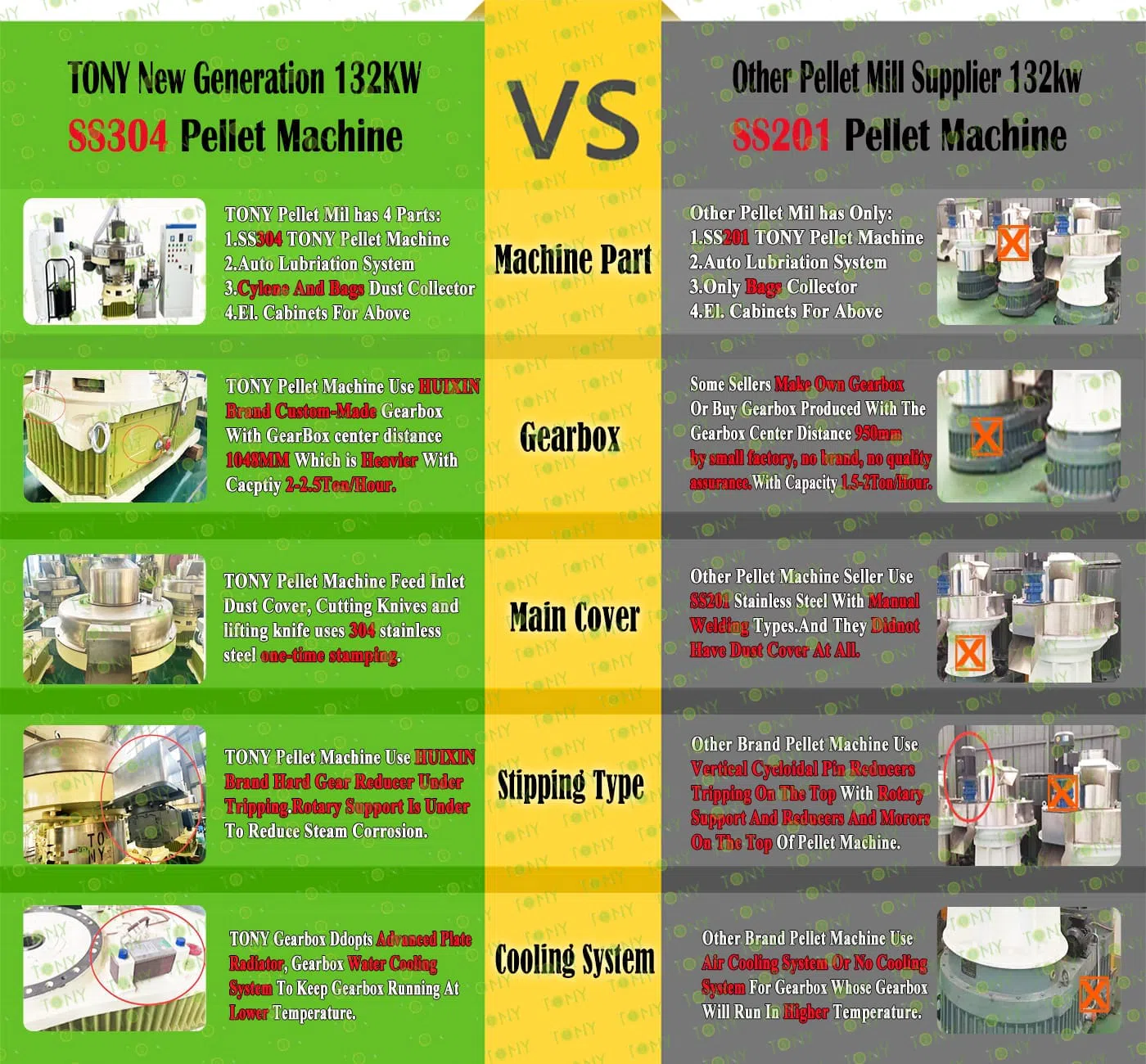
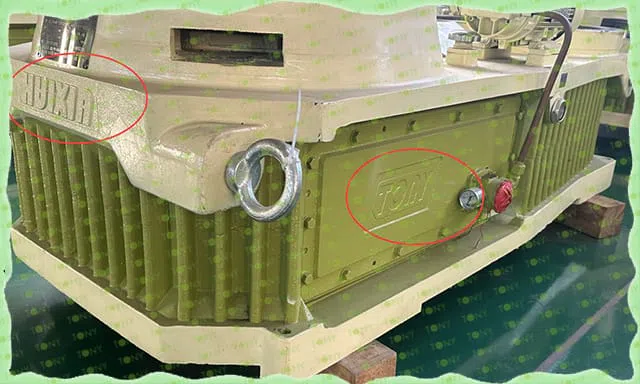
HUIXIN Gearbox: Heavy-duty HUIXIN gearbox supplies adaptive torque to handle different soft and medium-hard forage fibers.
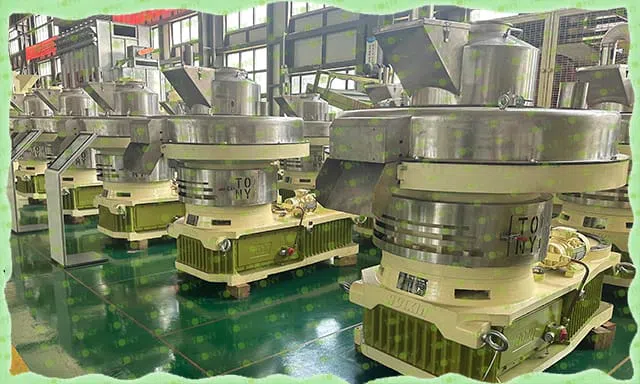
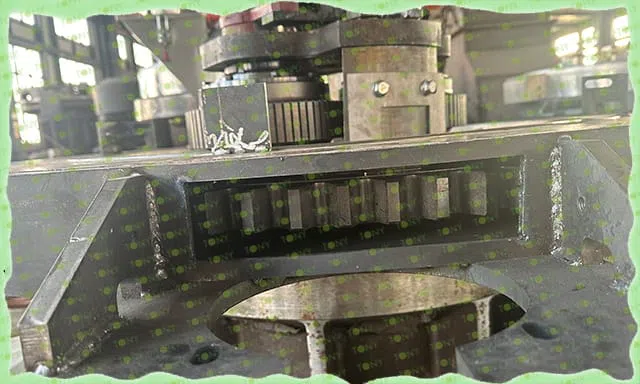
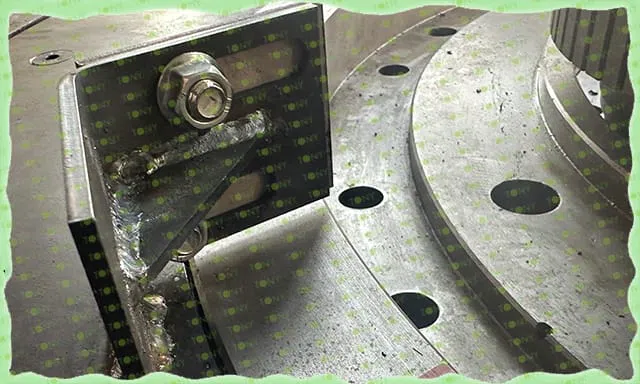
Rotating bracket: Reinforced rotating bracket lowers vibration from uneven, low-density forage feeding.
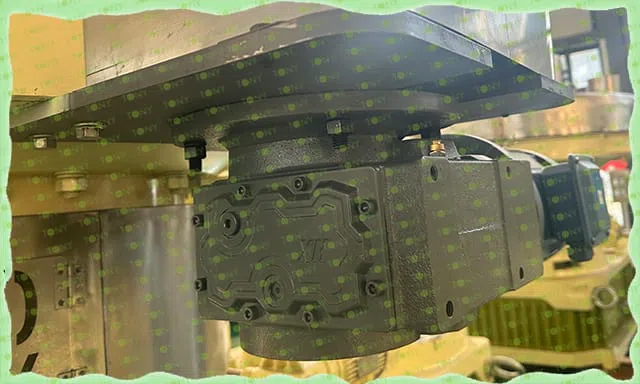
Reducer: Precision matched reducer keeps stable power transmission when processing easily tangled forage fiber.
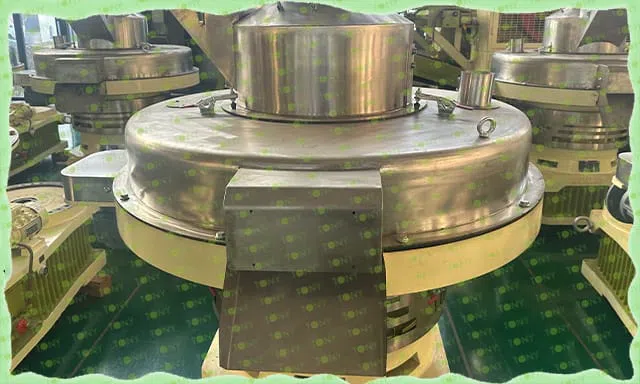
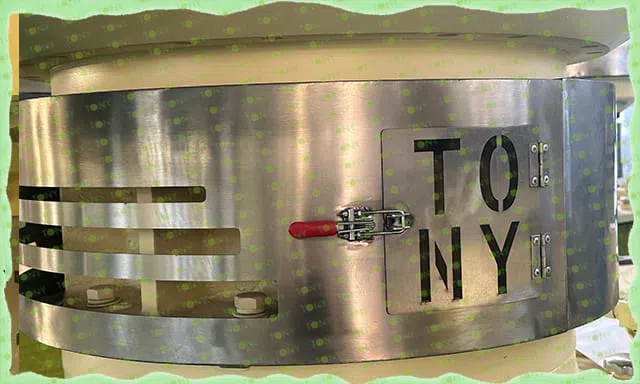
304 stainless steel dust cover: 304 stainless steel dust housing prevents fine forage dust leakage and mild ash corrosion.
Internal lifting knife: Built-in internal lifting knife cuts tangled forage bundles and eliminates bridging inside the forming cavity.
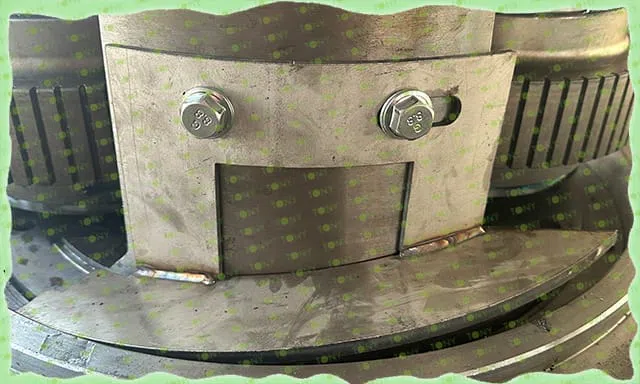
Adjustable blades: Adjustable blades control feed thickness to match lightweight herbaceous forage and ensure consistent pellet quality.
 |  |  |  |
 |  |  |  |
Unique Advantages
Press assembly: Flexible ring die and roller structure, interchangeable dies for different pellet diameters for livestock feed.
HUIXIN gearbox: Optimized HUIXIN gearbox with strong load adaptability, stable operation with mixed forage raw materials.
304 Stainless Steel Dust Enclosure: Abrasion & corrosion resistant to grass ash and coarse fiber dust.
Bottom feeding reducer: Improved under-feed reducer prevents light forage from arching and feed interruption.
Cooling system: Gentle circulating air cooling reduces pellet breakage, keeps pellet hardness suitable for animal feeding.