
Brief Introduction
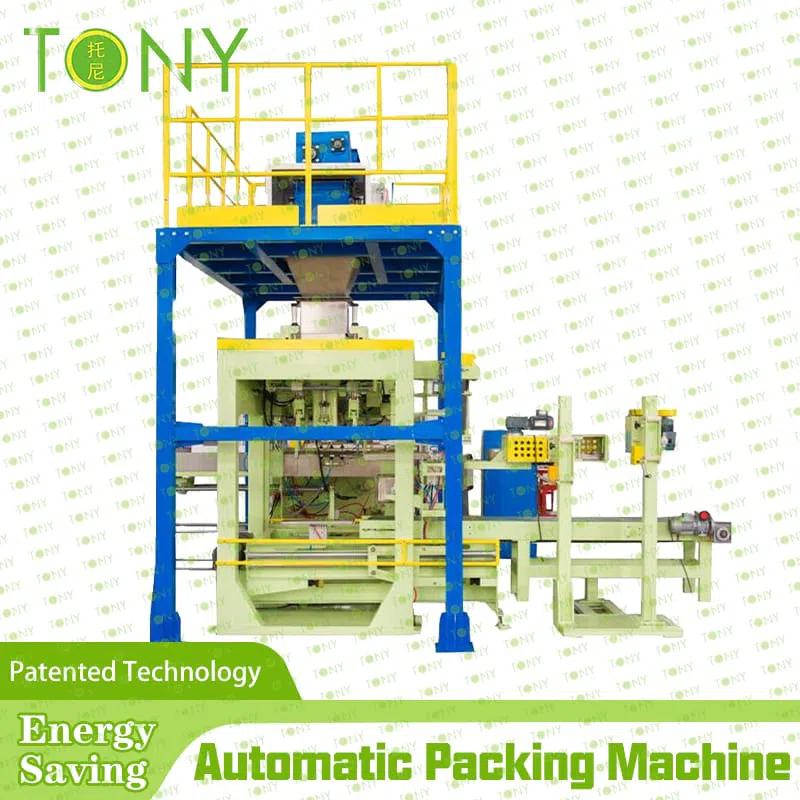
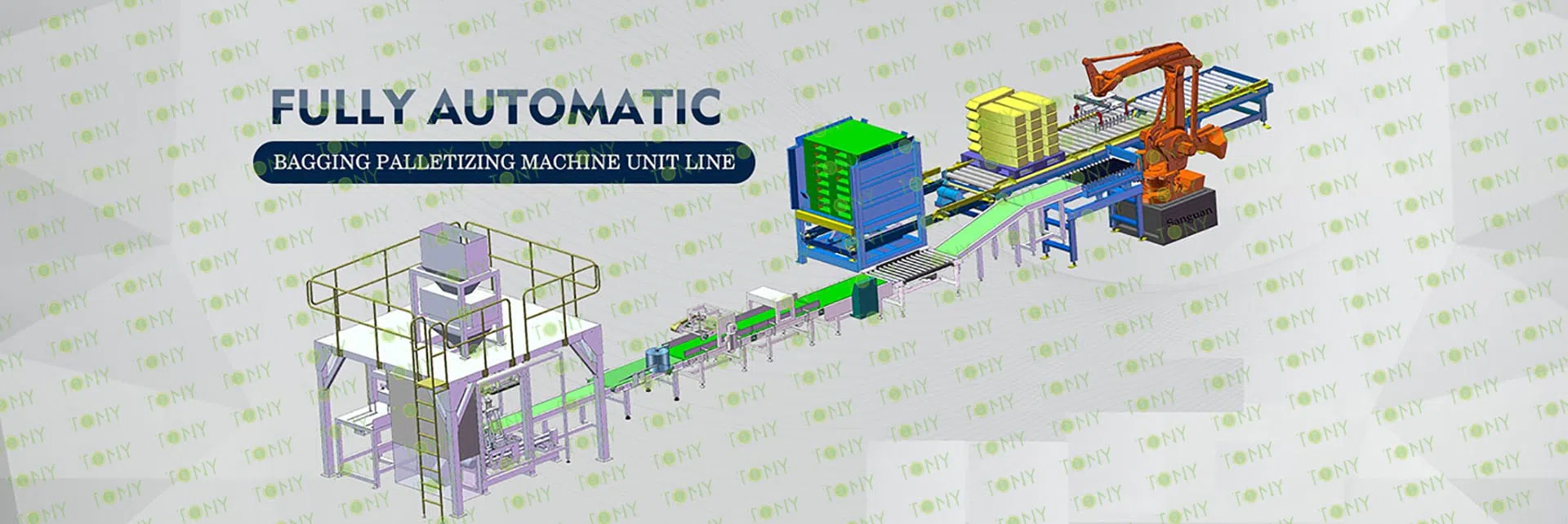
The fully automatic packing machine is an integrated system for packaging granules that autonomously performs the entire process—including bag retrieval, opening, placement, quantitative weighing, filling, sealing, and conveying. Its primary advantage over semi-automatic models is that it eliminates the need for manual bag placement, requiring only minimal personnel to periodically replenish the supply of empty bags. Capable of integrating into complete granule production lines to achieve continuous, automated packaging, it is widely used in large-scale industrial production for products such as biomass pellets, animal feed, and organic fertilizers.
Fully automatic pre-made bag packing machine (for large 15–50 kg bags; mainstream packaging equipment for biomass pellets): Uses pre-made woven bags; features automatic bag feeding and sewing; suitable for pellet plants.
The fully automatic packaging machine is fully automated from feeding to finished products, reducing manual participation, avoiding direct contact between people and products, reducing the risk of bacterial contamination, and ensuring product quality.
Working Principle
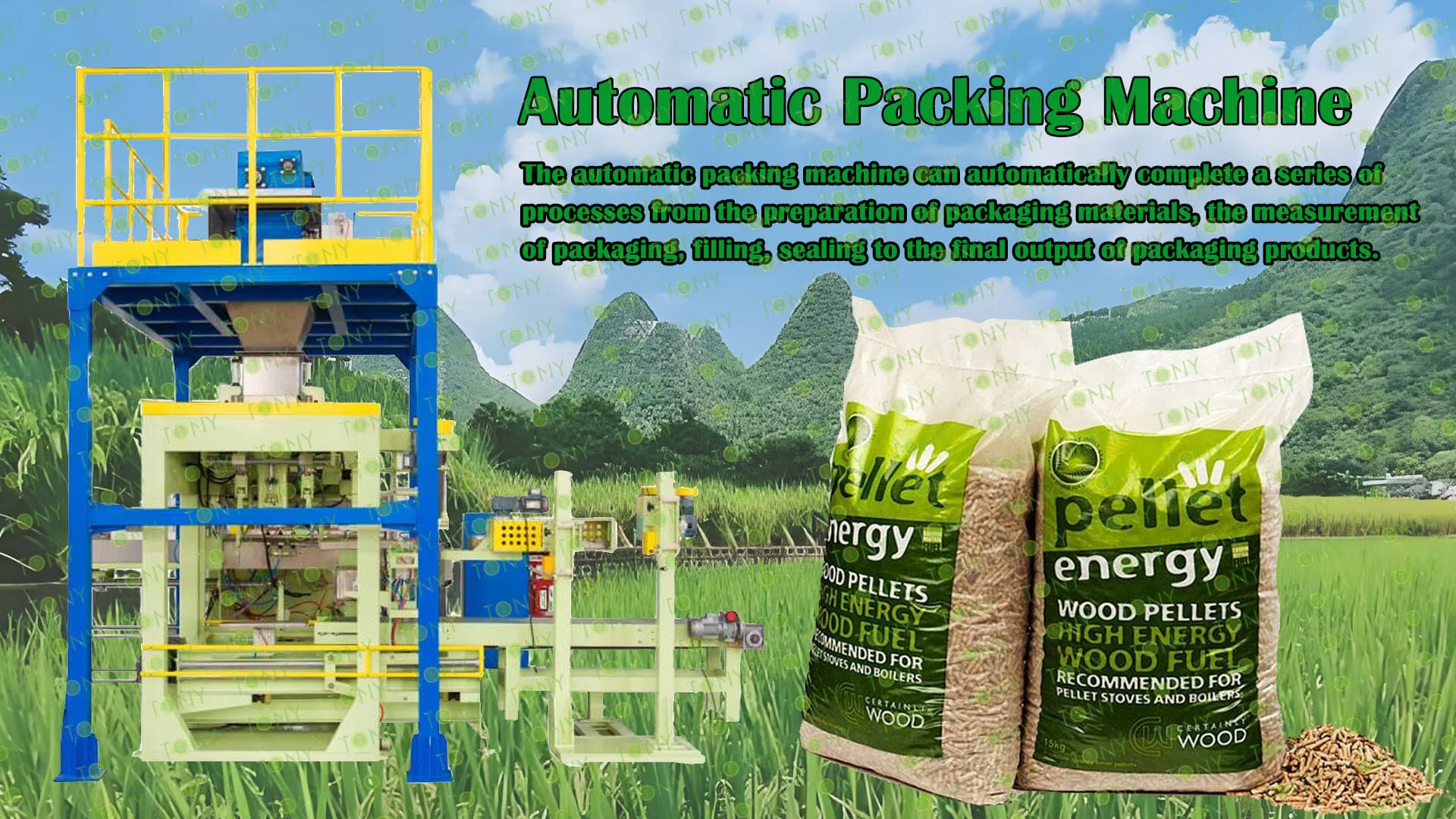
This fully automatic packaging machine is a pouch-fed, quantitative packaging system controlled by a PLC. It automates the entire process—requiring only periodic manual replenishment of empty bags—and is ideal for the large-scale packaging of granular materials such as biomass pellets, animal feed, and organic fertilizer.
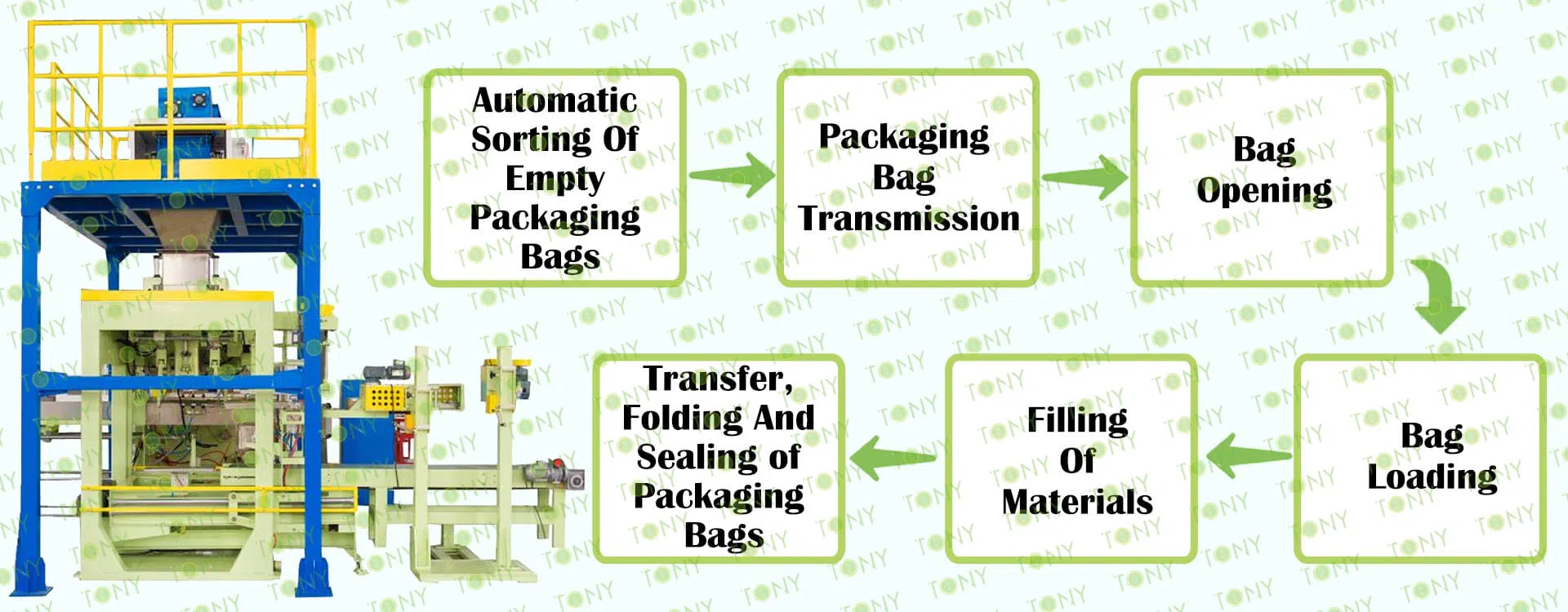
Once started, a robotic arm with vacuum suction cups automatically retrieves and feeds pre-made woven bags from the magazine while simultaneously opening the bag mouth. After confirming the bag is successfully opened, the arm transfers it to the filling station, where a pneumatic mechanism clamps the bag opening. Material stored in the upper hopper is fed into the weigh hopper via a dual-speed (fast/slow) feeding mechanism, with load cells capturing real-time weight data. The system initially fills rapidly to maximize efficiency, then switches to a slow feed as the target weight approaches to compensate for "in-flight" material (material falling through the air), stopping the feed once the target weight is reached.
Upon completion of weighing, the material is automatically discharged into the bag. After filling, the clamping mechanism releases, and the bag is conveyed to the sewing station for automatic top folding and stitching. Finished bags are discharged via a conveyor belt; an optional checkweigher can be added to verify weight and automatically reject non-compliant products. The equipment features multiple safety interlocks that prevent material discharge in the event of a missing bag, failed bag opening, or insufficient air pressure, thereby avoiding material waste.
The entire process operates in a continuous cycle, eliminating the need for manual bag placement while ensuring high packaging efficiency and effective dust control. The system can integrate with upstream production lines and downstream palletizing equipment to achieve fully automated production, significantly reducing the need for on-site operators, ensuring consistent packaging accuracy, and meeting the continuous production demands of large-scale pellet processing plants.
Working Process
Main Parts
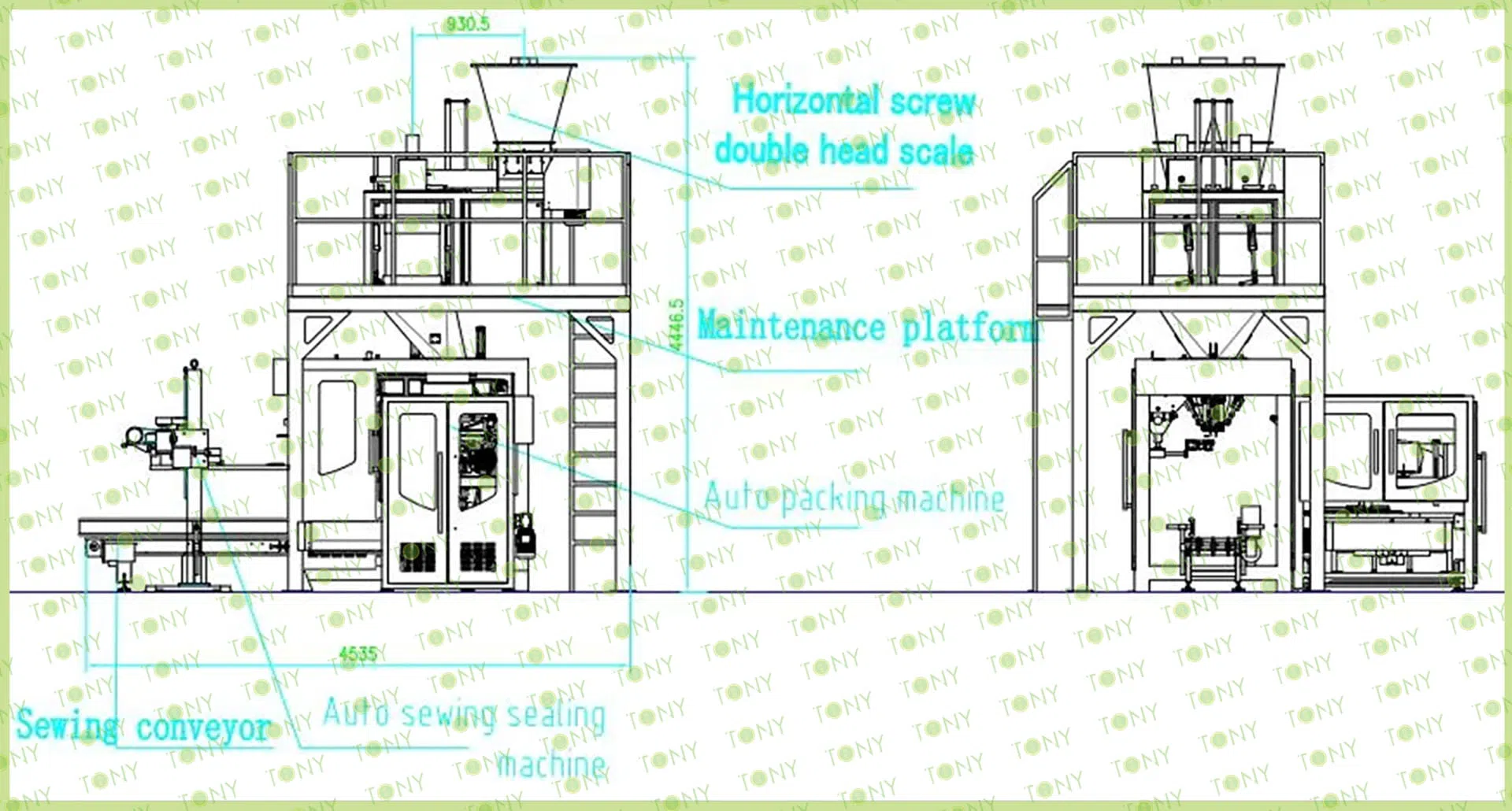
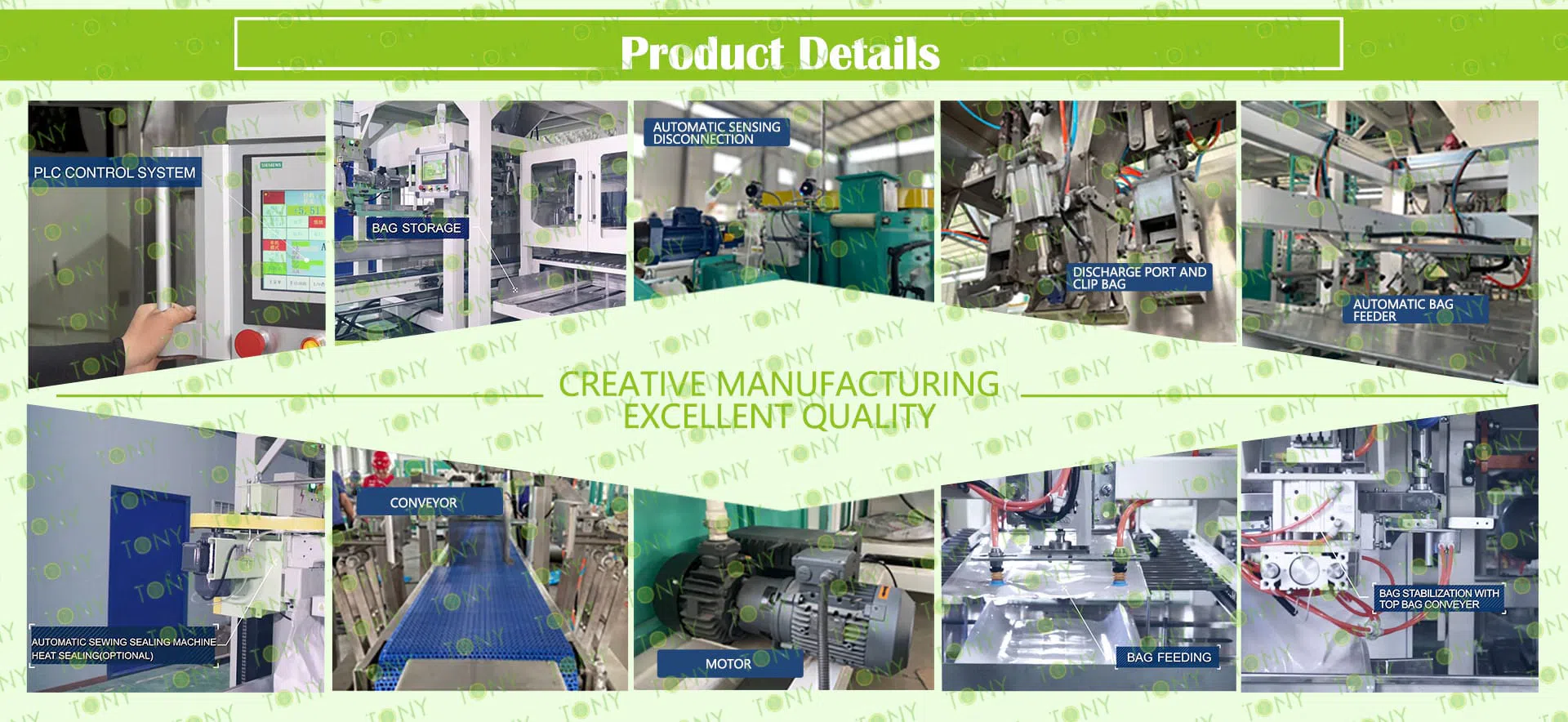
1.Bag Storage & Automatic Bag Feeding Mechanism: A magazine stores woven bags; a vacuum-cup robotic arm automatically picks up, transports, and opens the bags, with an alert for automatic bag replenishment.
2.Material Hopper + Variable-Frequency Feeding System: The hopper features wall vibration to prevent bridging; dual-speed feeding (belt or vibratory) minimizes granule breakage.
3.Weighing & Metering Unit (Core): Comprises a weigh hopper and high-precision load cells; automatic drop compensation ensures weighing stability.
4.Pneumatic Bag Clamping & Filling Mechanism: A robotic arm aligns the opened bag with the discharge outlet; a pneumatic cylinder clamps the bag mouth, ensuring a sealed, dust-controlled filling process.
5.Sealing & Conveying System: Features automatic bag-top folding and stitching, with a belt conveyor for finished bags; options include check-weighing, metal detection, and automatic rejection of defective bags.
6.PLC Touchscreen Control System: Supports one-touch parameter storage, production totalizing, fault self-diagnosis, interlocks (no filling without a bag), and low-air-pressure alarms; supports MES integration.
Parameter
Packing Range(KG/Bags) | Accuracy | Packing Material | Packing Speed(bags/hour) | Compressed air(Mpa) | Power(kw) |
10-50 | ±0.2% | Paper bags,woven bags,double-layer composite bags | 200-1200 | 0.4-0.8 | 6.2 |
Suitable Raw Material
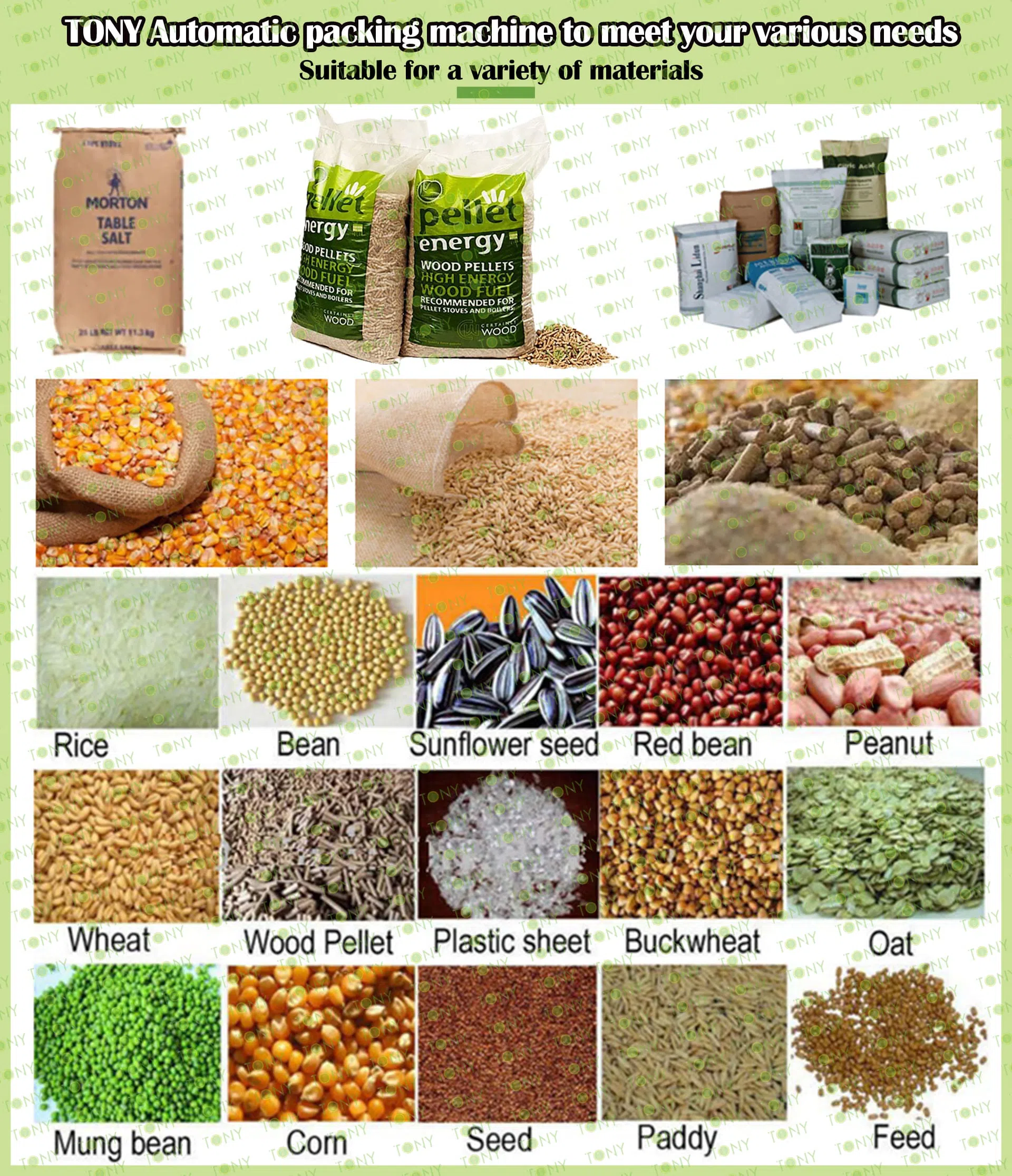
This fully automatic bag-feeding granule packaging machine is designed for free-flowing, non-sticking, and durable granular materials. It typically handles 15–50 kg prefabricated woven bags and is widely used for packaging finished granular products across various industries.
1.Biomass Energy Industry: Biomass fuel pellets such as wood chips, mixed wood, straw, and bamboo pellets; a key machine for integration into pellet production lines.
2.Agriculture and Animal Husbandry: Livestock and poultry feed pellets, forage pellets, organic and compound fertilizer pellets; grain pellets such as corn, soybeans, and sorghum.
3.Plastics and Chemical Industry: Chemical raw material granules such as PP/PE plastic pellets, resin granules, and rubber granules.
4.Construction Materials and Environmental Protection: Hard granules such as ceramsite, quartz sand, activated carbon, refractory granules, and zeolite.
5.Agricultural By-products: Dry, loose granular materials such as shelled peanuts, dried nuts, and traditional Chinese medicine granules.
Details
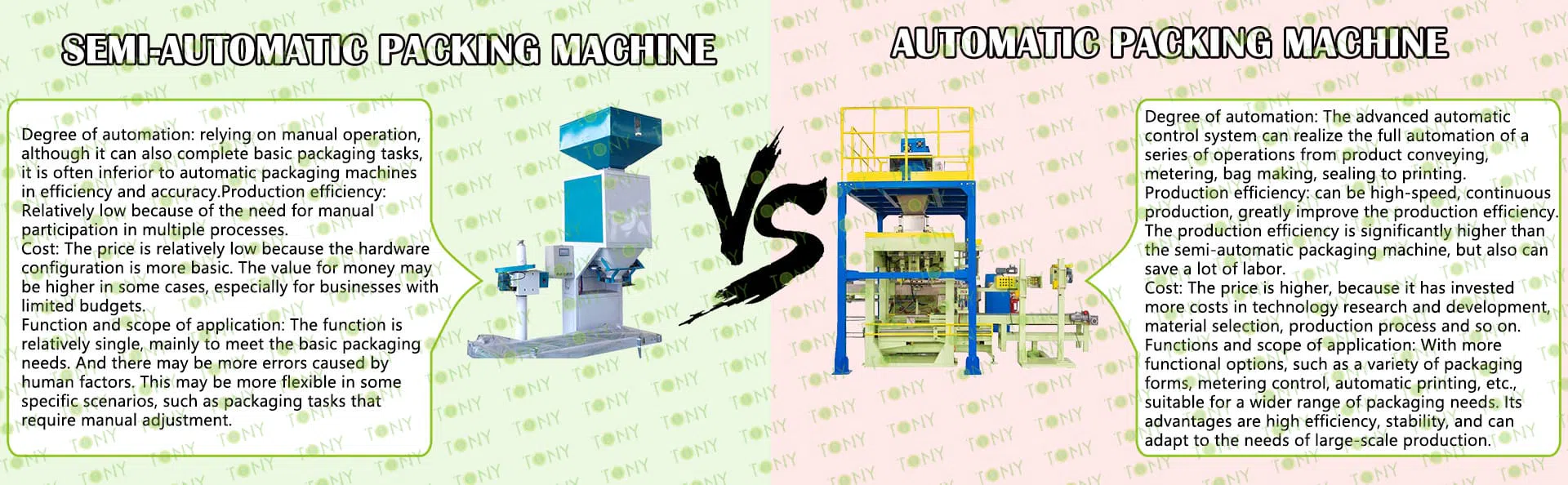
TONY Semi-automatic Packing Machine VS Automatic Packing Machine
Model Selection Key Points
The fully automatic packaging machine utilizes a PLC control system and a large touchscreen, ensuring simple and intuitive operation. It automates multiple processes—such as film pulling, bag forming, filling, coding, counting, metering, and sealing—eliminating the need for manual intervention once parameters are set and significantly reducing labor intensity. This machine is suitable for a wide range of material forms, including granules, tablets, liquids, powders, and pastes. It offers comprehensive functionality, including automatic metering, filling, bag forming, sealing, cutting, conveying, batch number printing, easy-tear notch creation, low-material alarms, and mixing. | 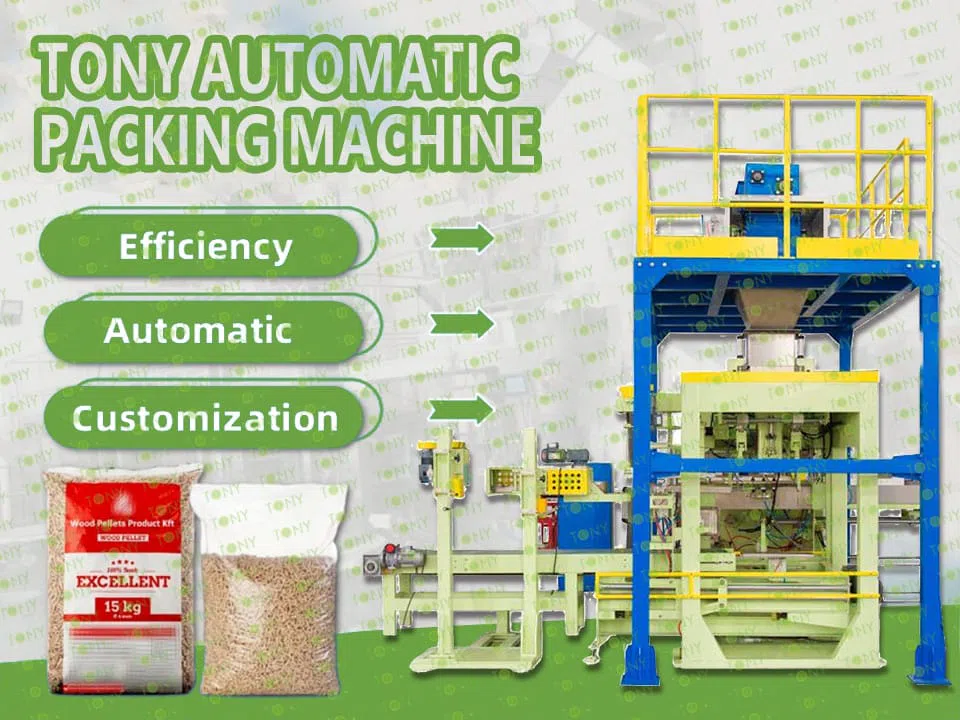 |
1.Production Capacity: Semi-automatic systems are preferred for daily outputs of up to 20 tons; fully automatic systems are recommended for outputs exceeding 50 tons.
2.Material: Belt feeding is preferred for biomass pellets to minimize pellet breakage.
3.Bag Type: Woven open-mouth bags are to be used.
4.Ancillary Systems: Provisions must be made for dust collection, finished product re-inspection, and downstream palletizing interfaces.
5.Environment: Enhanced dust-proofing design is required if the workshop has high dust levels.
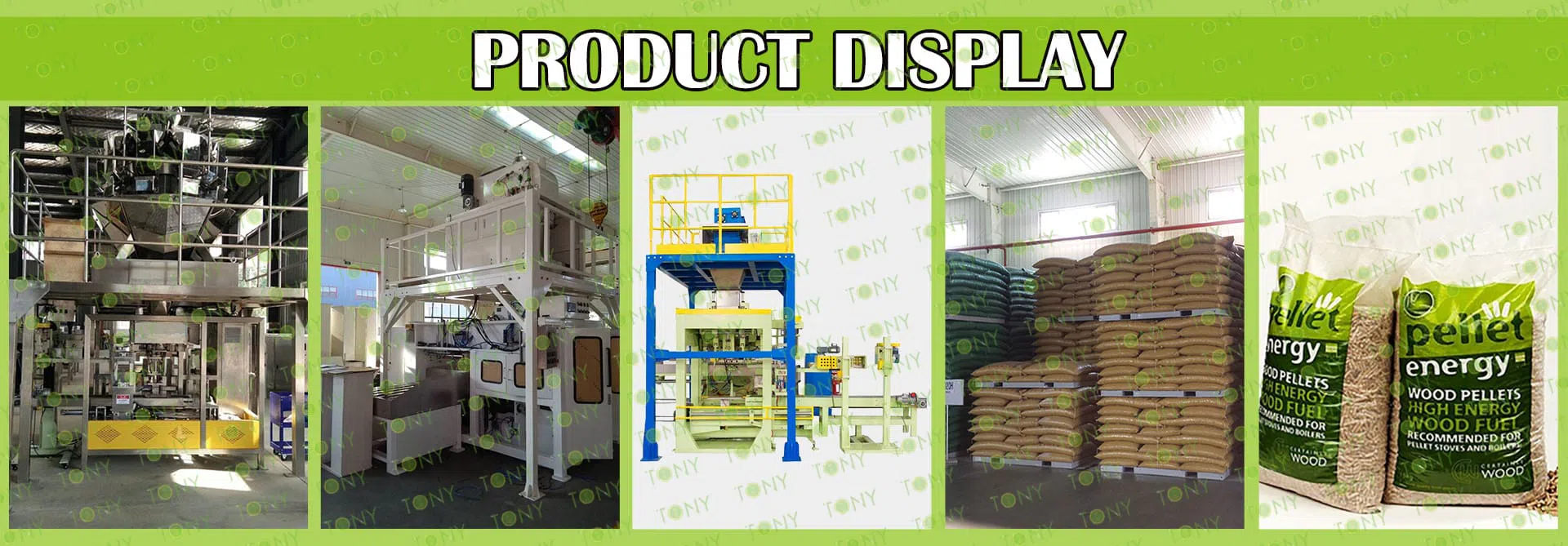
Product Display
Workshop
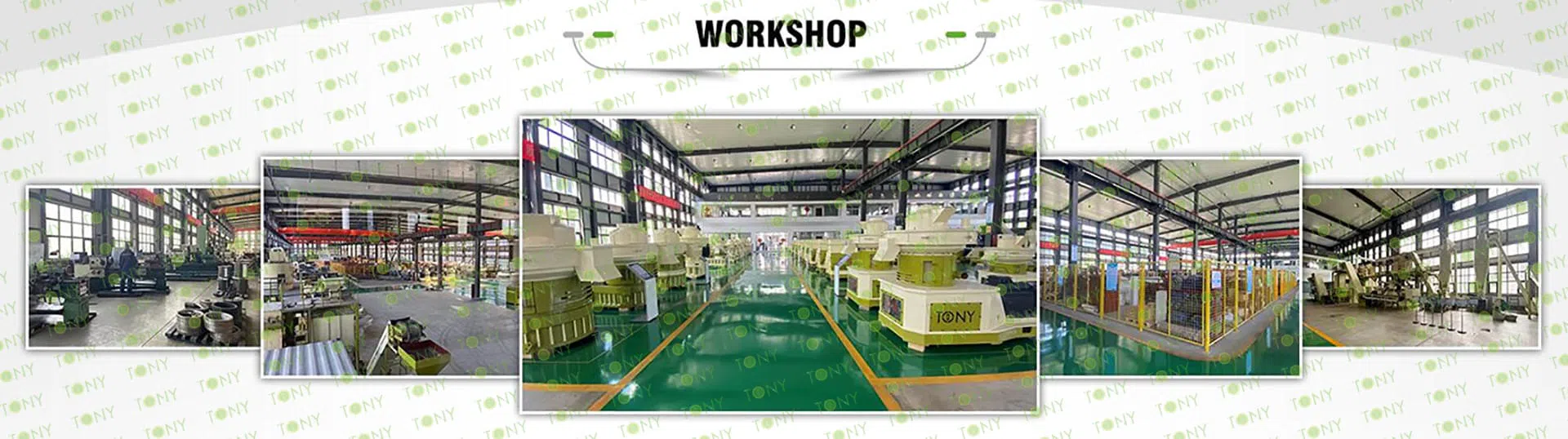
Company Profile
 | SHANDONG TONY ENVIRONMENTAL PROTECTION SCI-TECH CO.,LTD is an integrated enterprise specializing in developing, anufac-turing and international trade of pellet equipments for over 20 years. Main products are biomass ring die and flat die pellet machine,biomass pellet line, feed pellet machine, drying,crushing equipments,cooling screening, mixing and environmental protection equipments. TONY main processing areas are logs or furnature waste,agricultural crop stalks, animal feces and so on Looking to the future, we sincerely hope to establish a long-term reliable cooperation relationship with clientsall over the world! In 1998, TONY regards honesty as basis, and fosters enterprise benchmark. It uses total investment of 120 million Yuan, has floor area of 30,000 square meters, 2 largeproduction factory areas and 6 workshops, equips foreign advanced equipment, andhas over 800 employees. |
The company has 8 departments, i.e., Engineering, Technical,SalesInternational Trade , Human Resource , Financial and After-sales Department. Ithas over 60 technical research and development persons and over 50 technicians. By relying on powerfu! product research and development strength, domestic toppingproduction equipment, perfect craftsmanship and scientific management,TONY winslong-term recognition from many customers, and obtains good business reputationand enterprise public praise.


