Brief Introduction
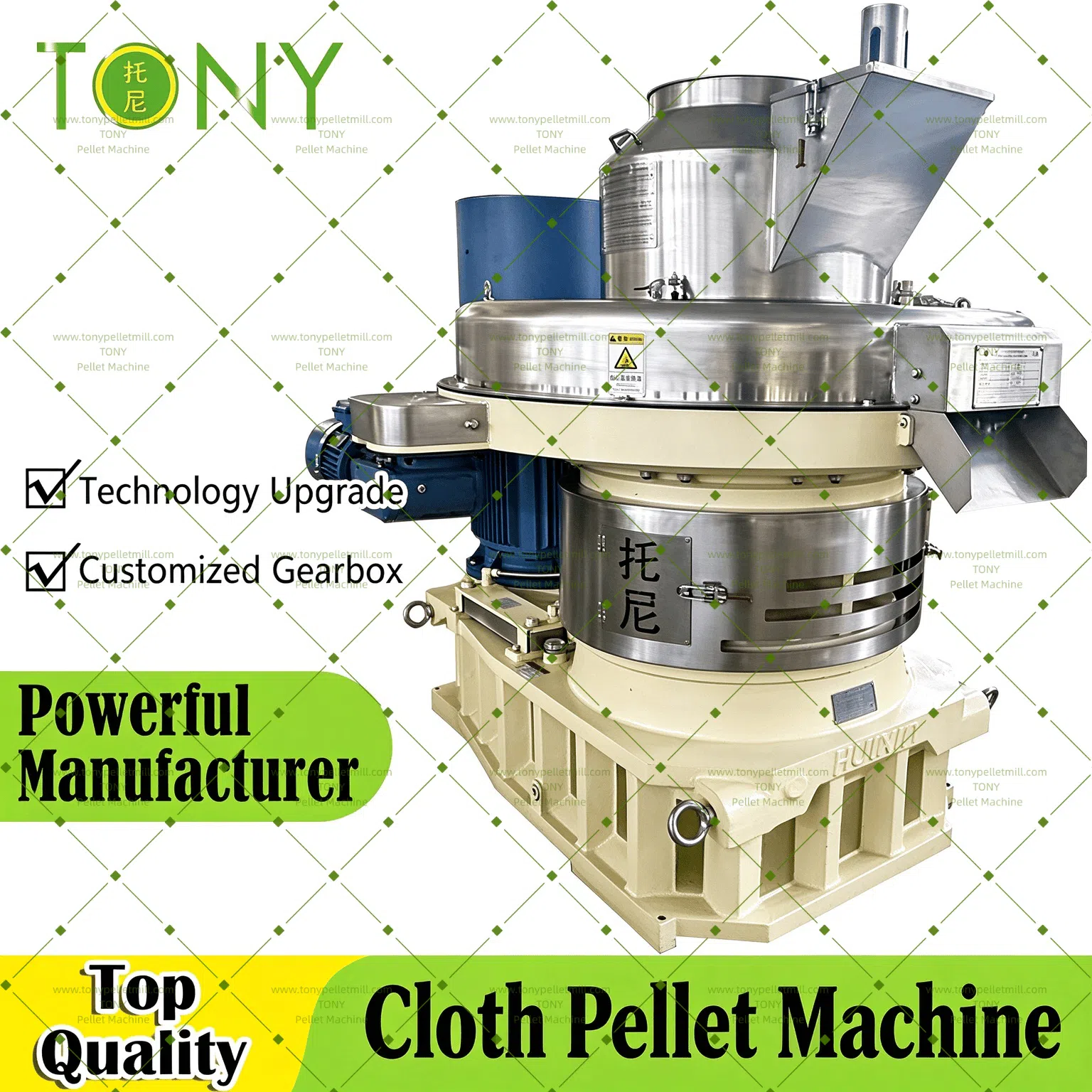
Fabric pelletizers are specialized recycling and granulation equipment developed for textile solid waste and chemical fiber fabrics. Also known as fabric granulators or waste fabric pelletizers, they can process various loose and tangled waste fabrics and textile scraps into high-density recycled pellets through shearing, friction plasticizing, and extrusion molding. Fabric pelletizers effectively solve the problems of fabric fibers being easily tangled, difficult to compress, and causing feeding blockages. The produced recycled fabric pellets are of uniform quality and can be reused in chemical fiber production, fuel combustion, modified injection molding, and other fields, contributing to the resource recycling and reuse of textile waste. They are widely applicable to textile mills, garment factories, and solid waste recycling and processing plants.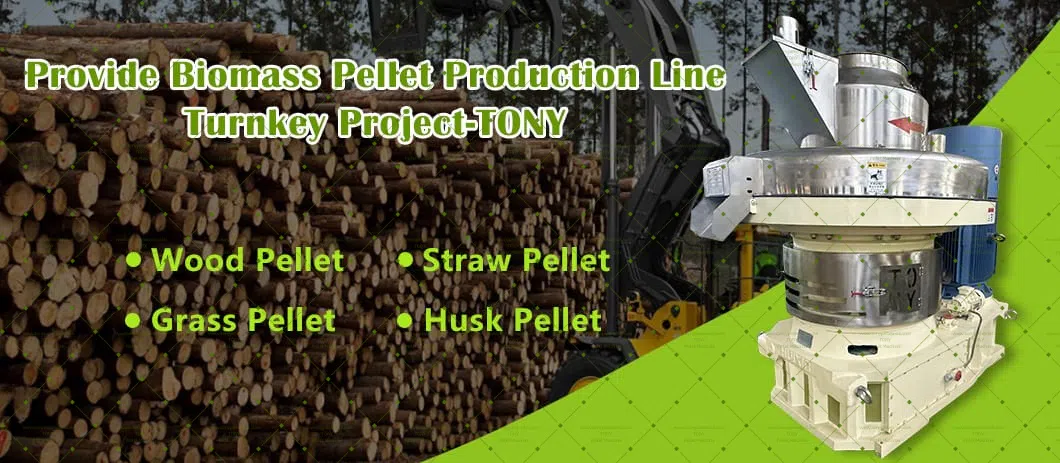
Processing Technology
Core Equipment Is Cloth Pellet Making Machine
The complete processing flow of a fabric pellet mill: Raw material sorting → Shredding and crushing → Feeding and conveying → Friction plasticizing and compaction → Filtration and impurity removal → Extrusion granulation → Cooling and drying → Finished pellet collection.
Raw material sorting and crushing: Waste fabric is sorted to remove large pieces of debris, and then shredded into short fiber fragments to reduce material bulkiness.
Feeding and conveying: The shredded fabric is fed into the fabric pellet mill via a conveyor system. A dedicated anti-tangling feeding mechanism ensures stable feeding and prevents bridging and blockage.
Friction plasticizing and compaction: High-speed operation of the equipment generates mechanical friction heat, softening and agglomerating the synthetic fabric fibers. This eliminates the need for a large external heat source and avoids high-temperature degradation and damage to the material.
Filtration and impurity removal: The melted and softened material is filtered through a filter screen to remove dust and impurities, improving pellet purity.
Extrusion granulation: The material is extruded through a die and cut into uniformly sized fabric pellets by a pelletizing mechanism.
Cooling and drying: The pellets are rapidly cooled and dehydrated, and a vibrating screen removes powder, resulting in finished fabric pellets for storage.
Main Parts 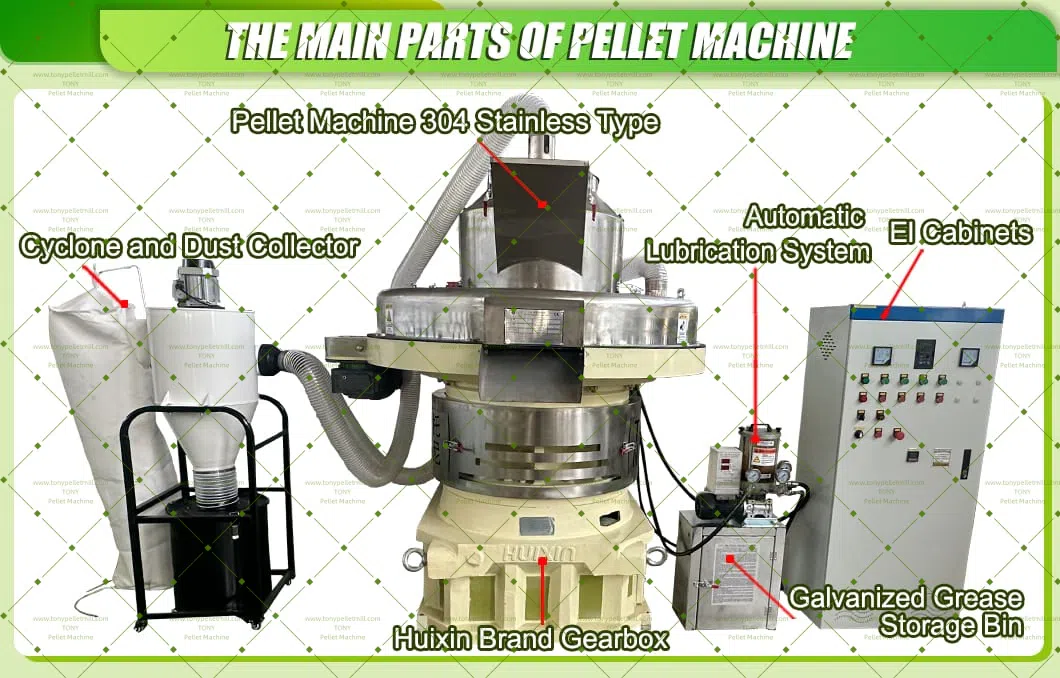
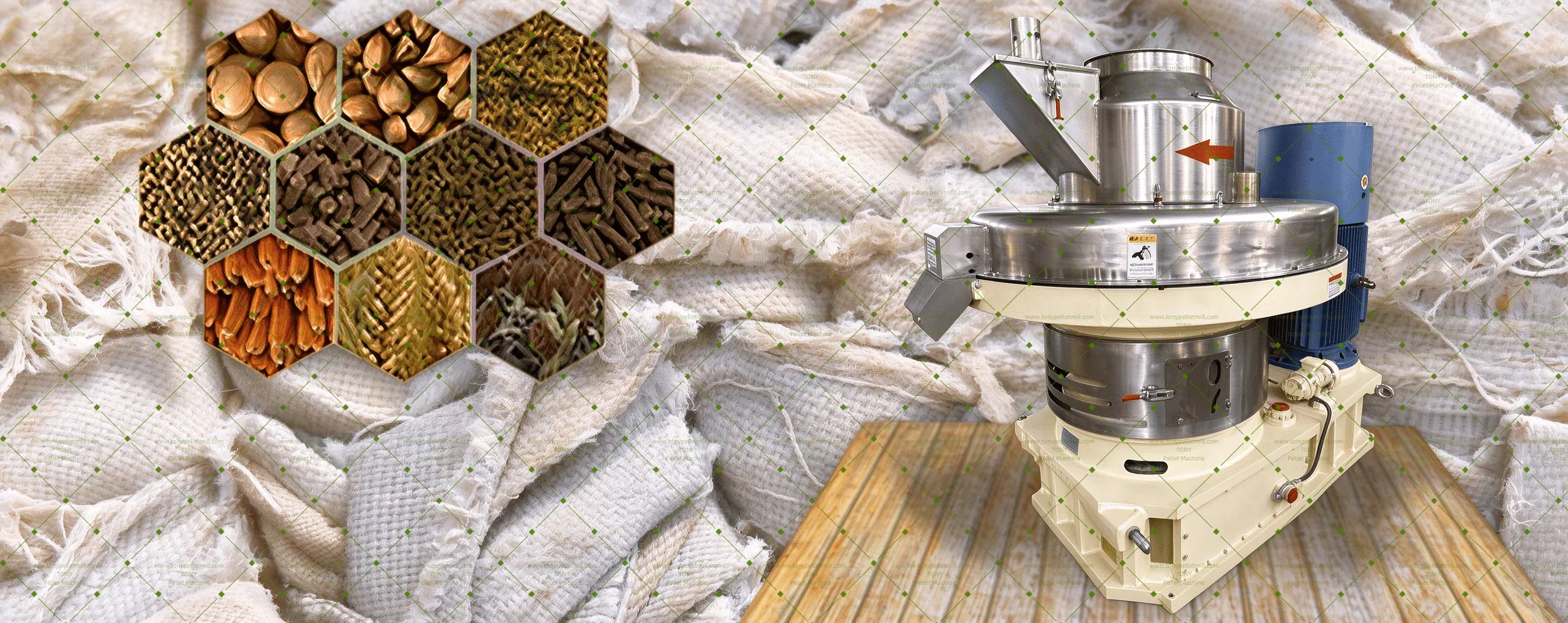
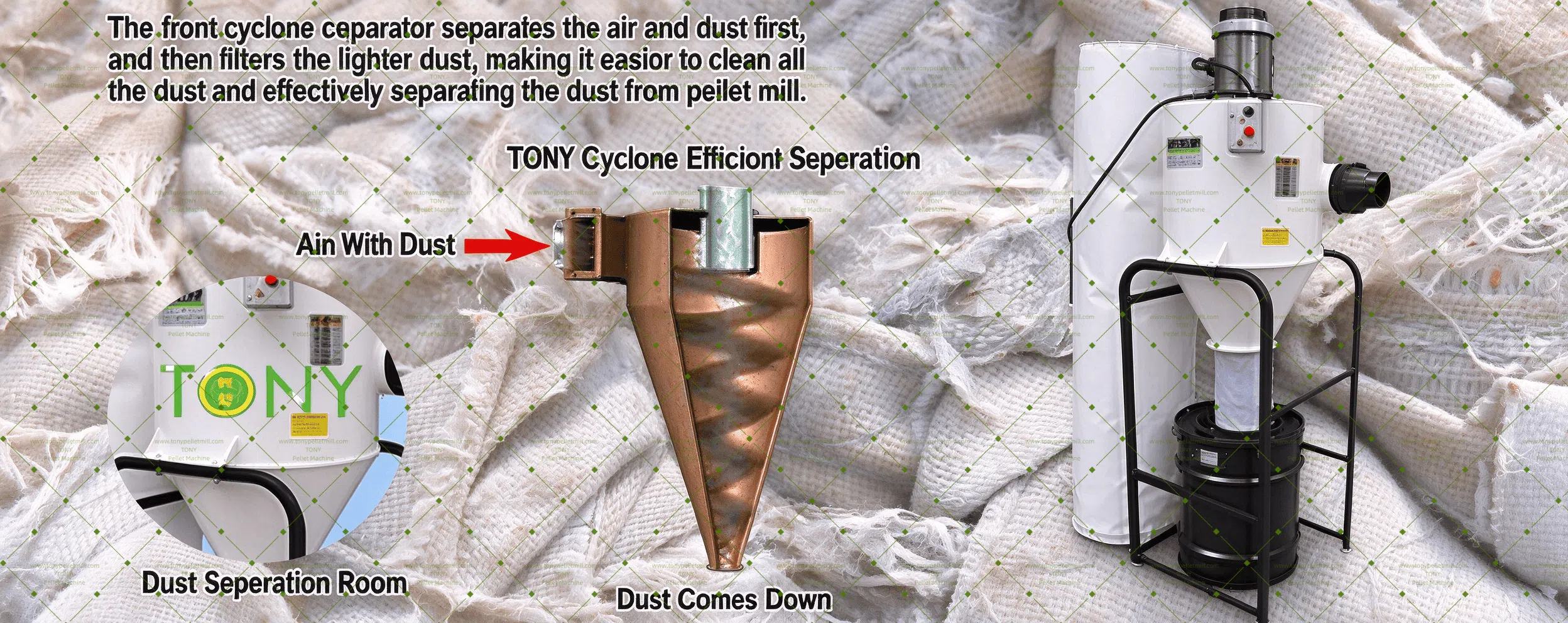
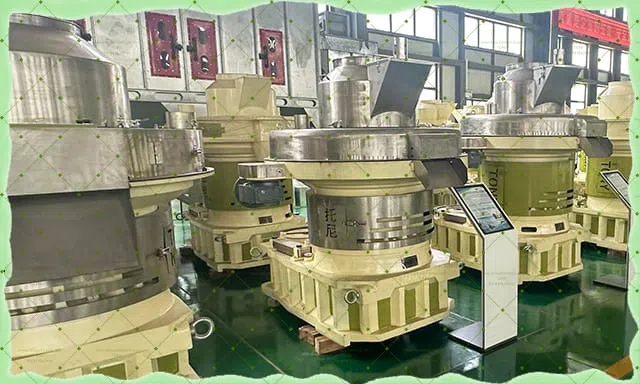
TONY's Cloth Pellet Making Machine
 |  |  |
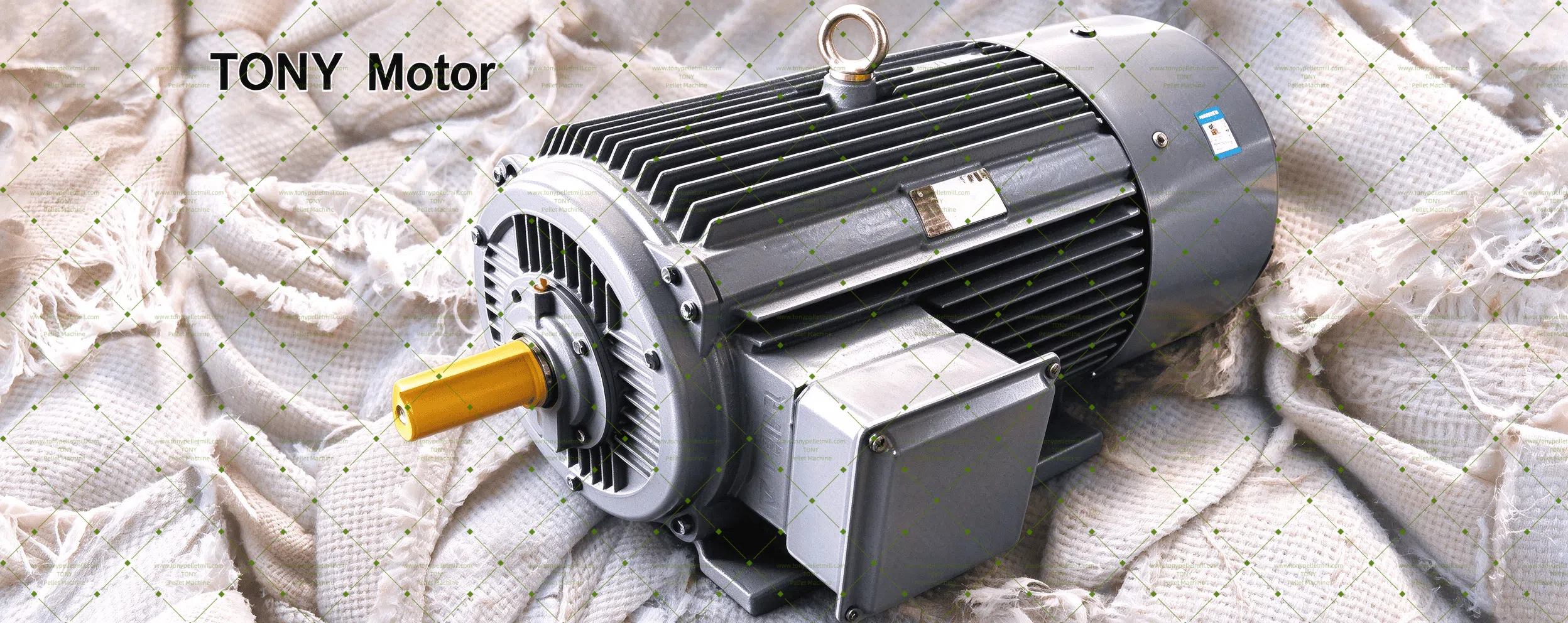 | 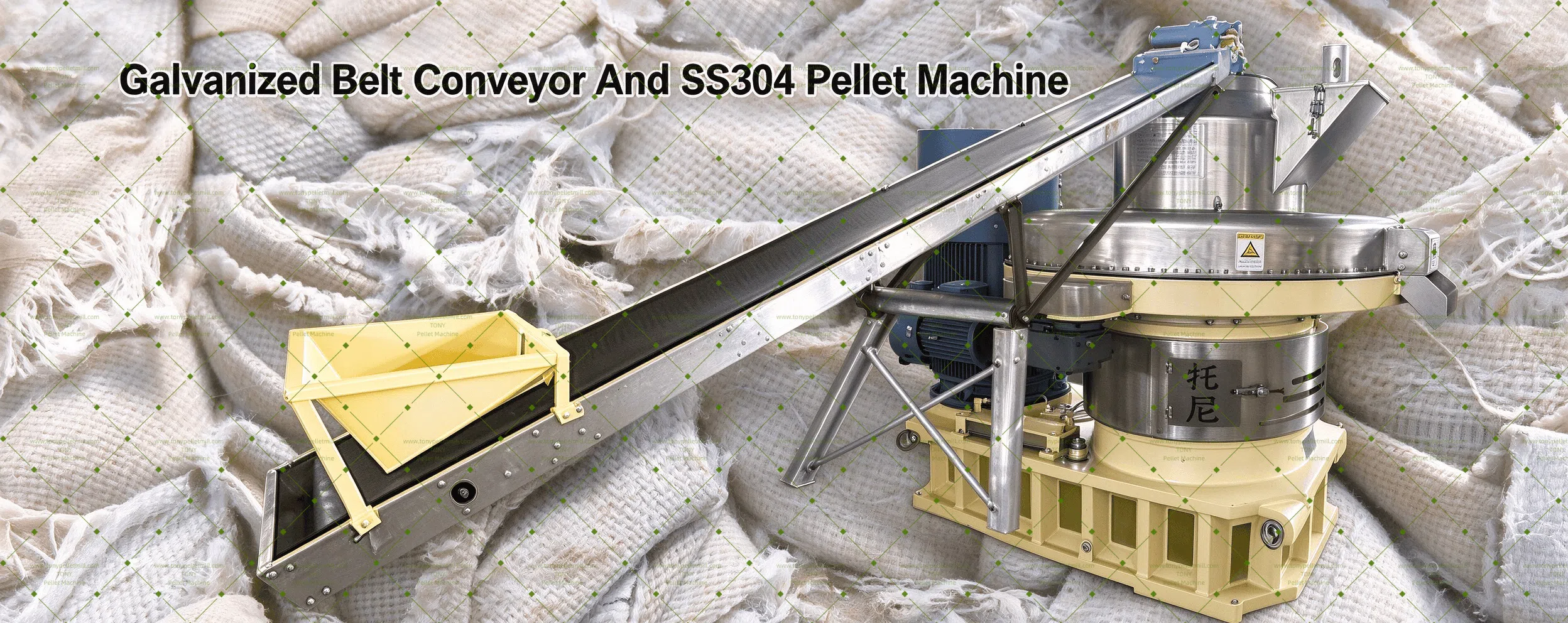 | 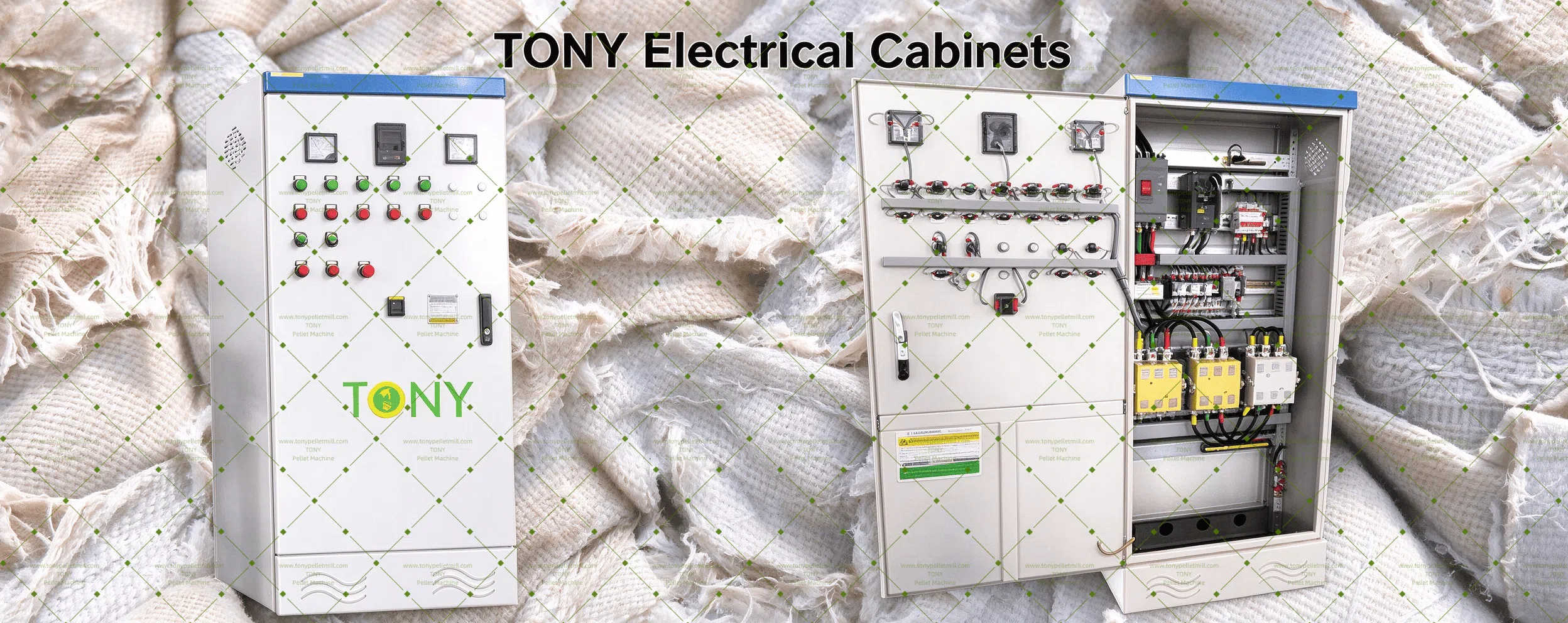 |
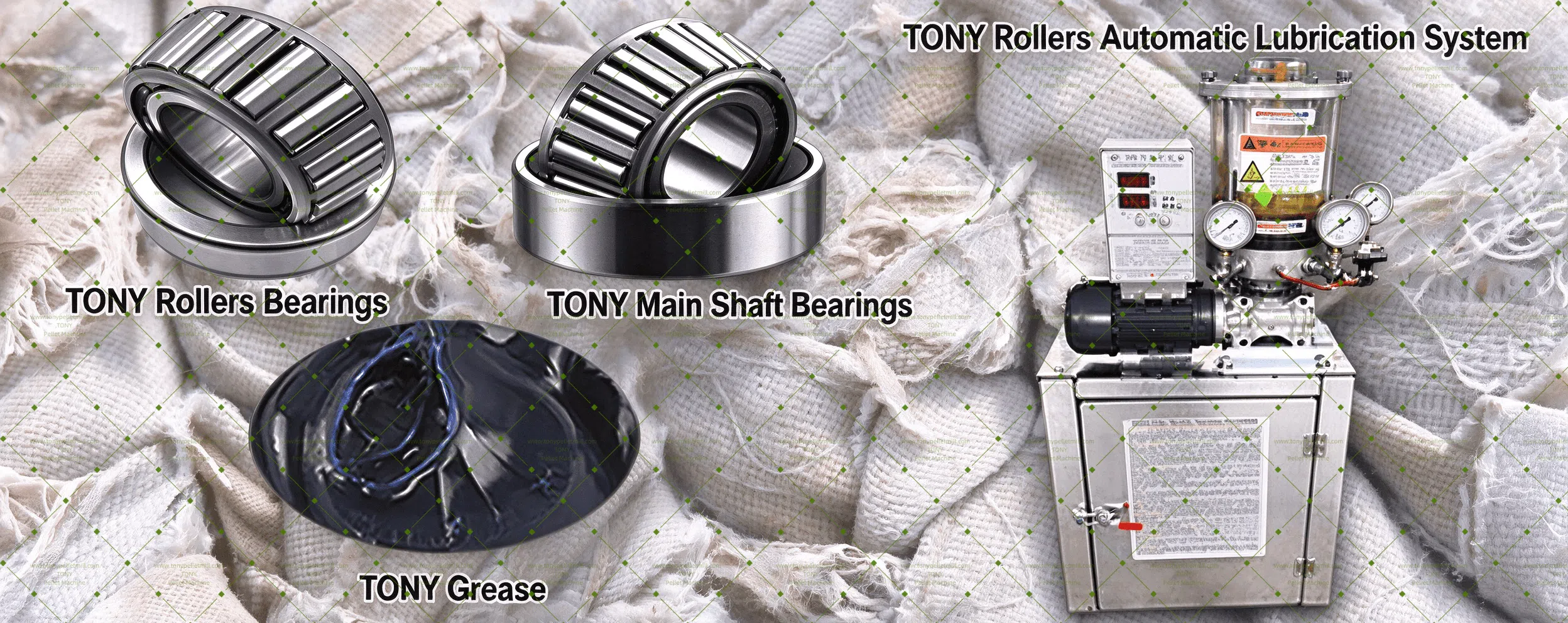
Main Spare Parts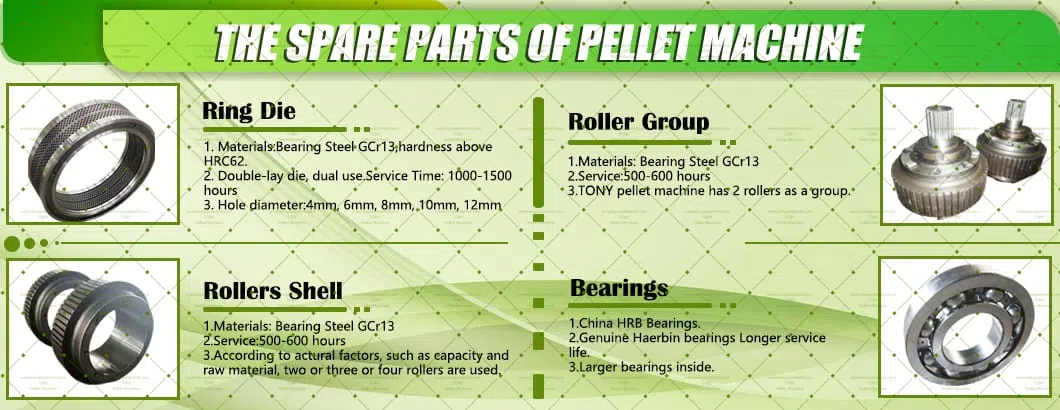
Parameter
TONY Vertical Ring Die Pellet Machine Type Model | |||||||||
NO | Model | Main Power | Lubrication Power | Dust Power | Capacity | Weight | Ring Die Inner Size | Machine Size | Remarks |
1 | TYJ551-III-90 | 90KW+3KW | 0.25KW | 0.95KW | 1-1.5TPH | 5.2T | 560MM | 2364*1550*1705MM | Same Model For Huixin Brand Gearbox Everthing the same,just motor different |
2 | TYJ551-III-110 | 110KW+3KW | 0.25KW | 0.95KW | 1.5-2TPH | 5.3T | 560MM | 2364*1550*1705MM | |
3 | TYJ551-III-132 | 132KW+3KW | 0.25KW | 0.95KW | 2-2.5TPH | 5.5T | 560MM | 2364*1550*1705MM | |
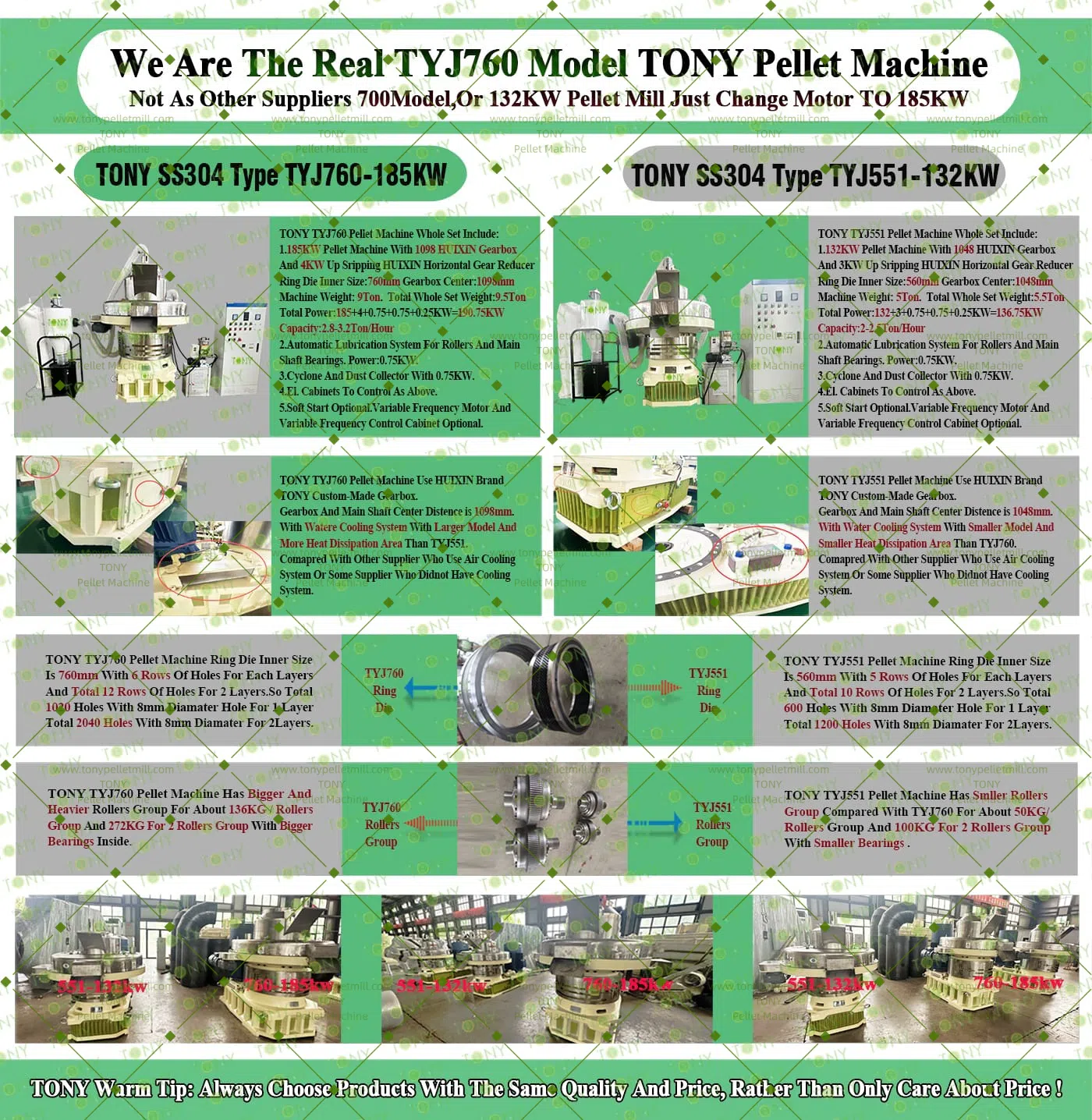
4 | TYJ760-III-160 | 160KW+4KW | 0.25KW | 0.95KW | 2.5-3TPH | 9T | 760MM | 2464*1750*2150MM | Huixin Brand Gearbox |
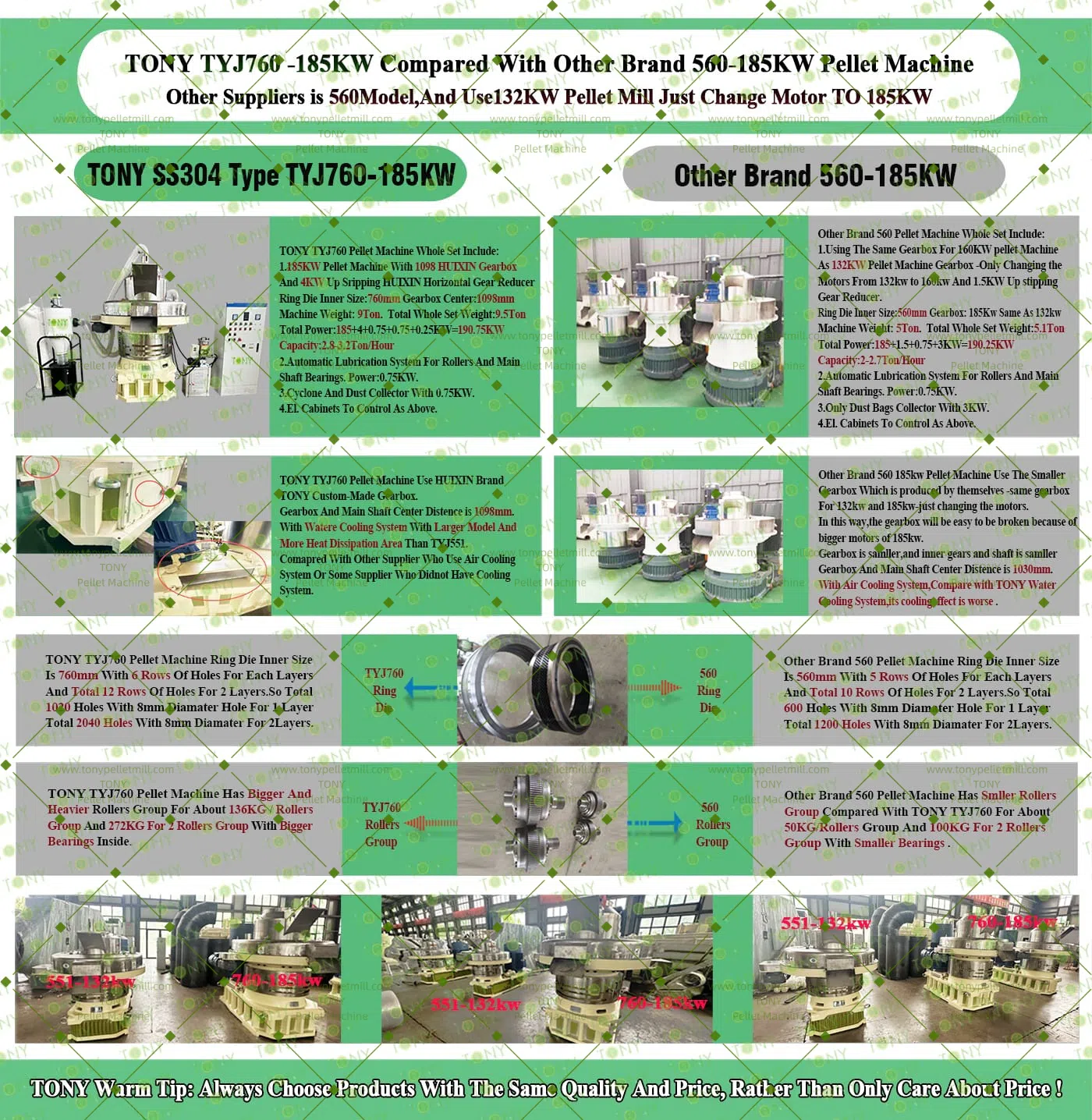
5 | TYJ760-III-185 | 185KW+4KW | 0.25KW | 0.95KW | 2.8-3.3TPH | 9.2T | 760MM | 2564*1850*2150MM | Bigger Model Huixin Brand Gearbox |
6 | TYJ760-III-200 | 200KW+4KW | 0.25KW | 0.95KW | 3-3.5TPH | 9.3T | 760MM | 2564*1850*2150MM | Bigger Model Huixin Brand Gearbox |
7 | TYJ860-III-220 | 220KW+4KW | 0.25KW | 0.95KW | 3-4TPH | 11T | 860MM | 2664*1950*2150MM | Huixin Brand Gearbox |
8 | TYJ860-III-250 | 250KW+4KW | 0.25KW | 0.95KW | 3.5-4.5TPH | 12T | 860MM | 2864*2150*2150MM | Bigger Model for Huixin Brand Gearbox |
9 | TYJ860-III-280 | 280KW+4KW | 0.25KW | 0.95KW | 4-5TPH | 13T | 860MM | 2864*2150*2150MM | Bigger Model for Huixin Brand Gearbox |
10 | TYJ860-III-315 | 315KW+4KW | 0.25KW | 0.95KW | 4.5-5TPH | 14T | 860MM | 2864*2150*2200MM | Bigger Model for Huixin Brand Gearbox |
Suitable Raw Materials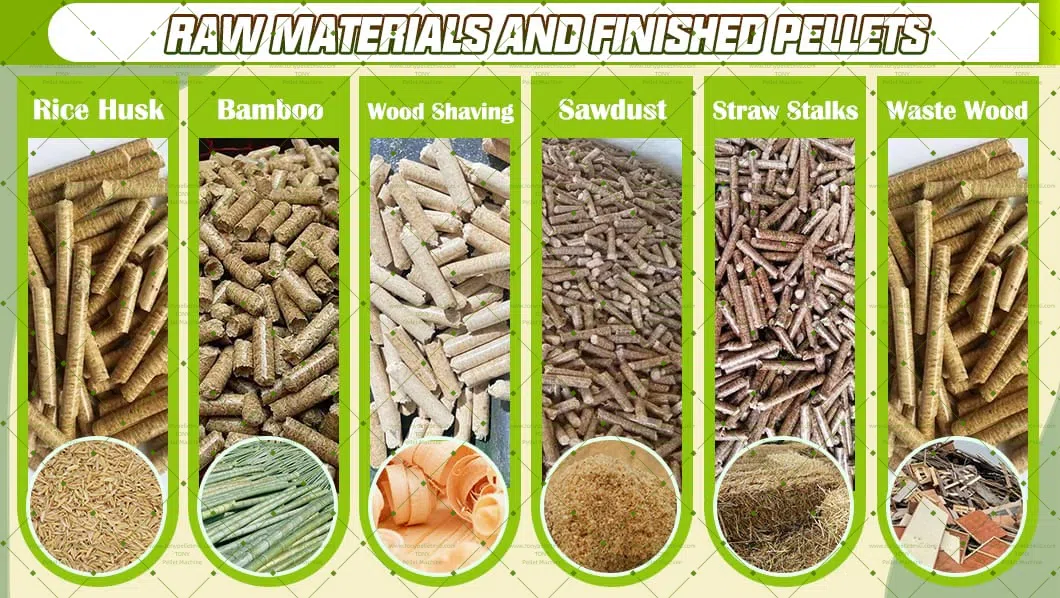
Fabric pelletizers primarily process various types of textile waste from chemical fibers. Suitable raw materials include: polyester PET waste fabric, nylon PA fabric scraps, PP non-woven fabric scraps, garment waste, waste chemical fibers, knitted fabric scraps, defective fabrics from textile mills, non-woven fabrics, and other fibrous fabric materials.
Note: Pure cotton fabric lacks thermoplasticity and cannot be thermoformed into pellets. Only thermoplastic chemical fiber fabrics are suitable for fabric pelletizing.
Application Areas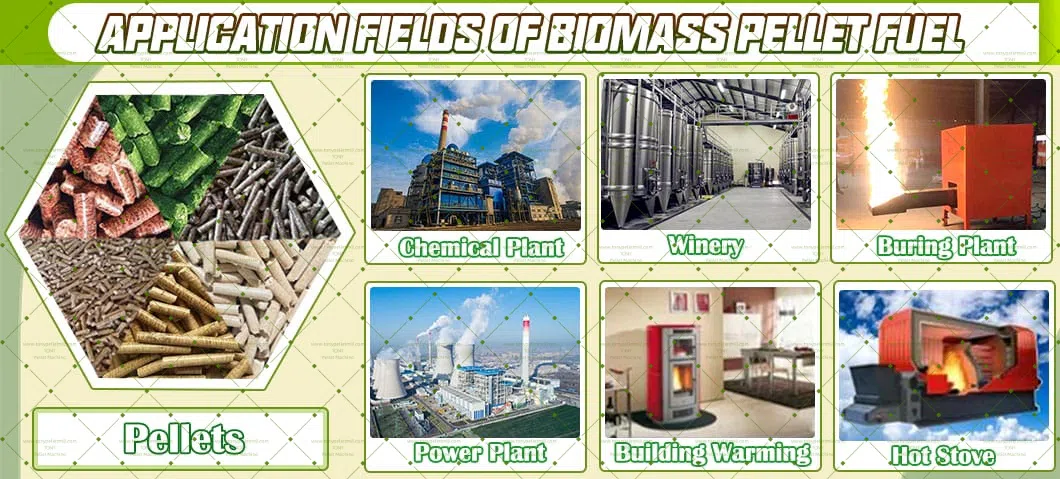
Cloth Pellet Making Machine produce recycled chemical fiber pellets, which can be widely used in various industries such as plastic modification, plastic product processing, new energy, and solid waste recycling. The main application areas are as follows:
1. Solid Fuel Production: Some recycled fabric pellets can be used as industrial fuel pellets to supply boilers and thermal power plants, replacing some fossil fuels.
2. Solid Waste Recycling Plants: Textile solid waste recycling companies and renewable resource companies use fabric pelletizers to process garment factory scraps and textile mill defective fabrics, turning waste into resources and increasing its added value.
3. Packaging Material Production: Qualified recycled fabric pellets can be processed into plastic packaging films, packaging liners, plastic strapping, and other packaging consumables.
Details
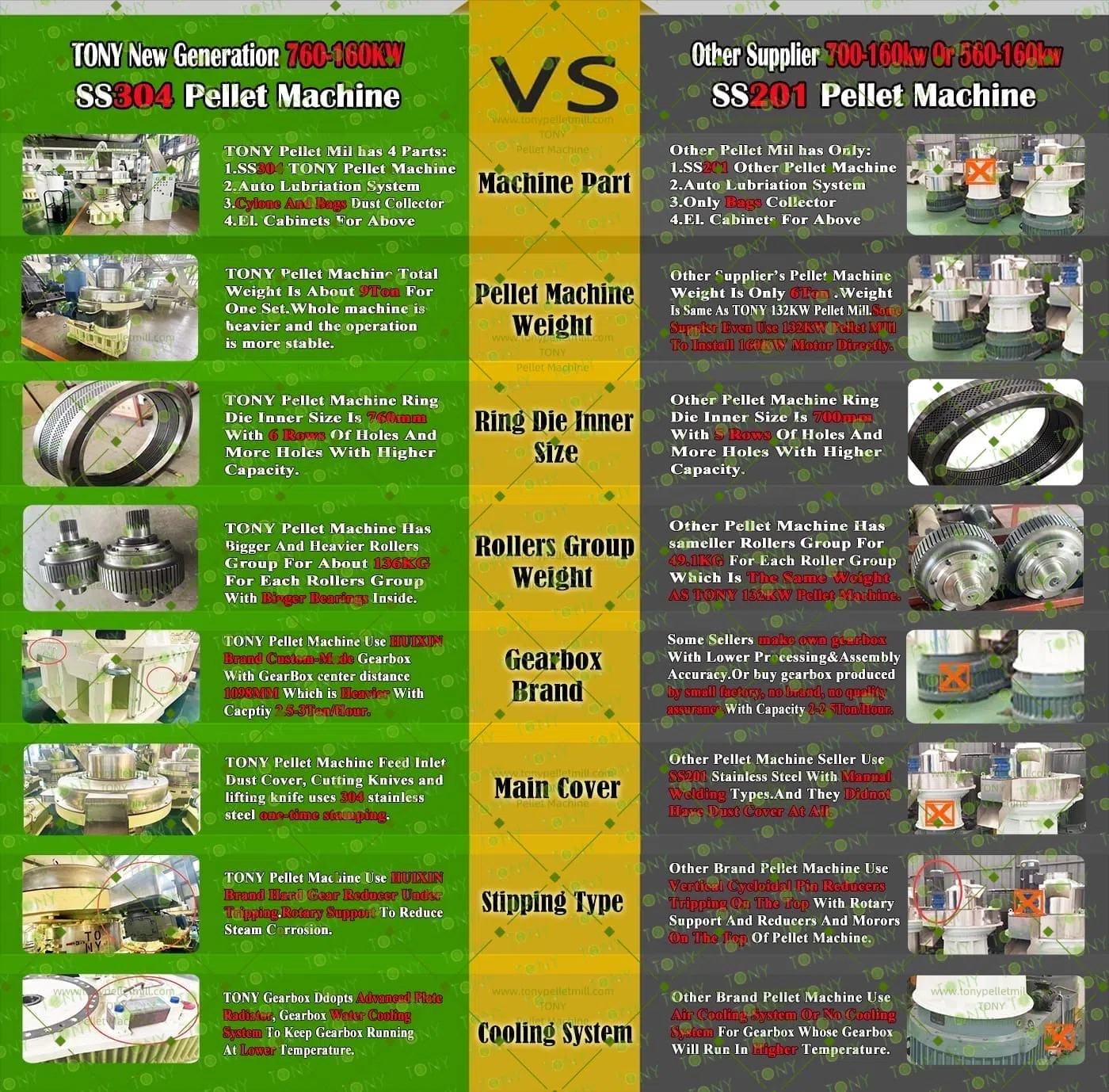
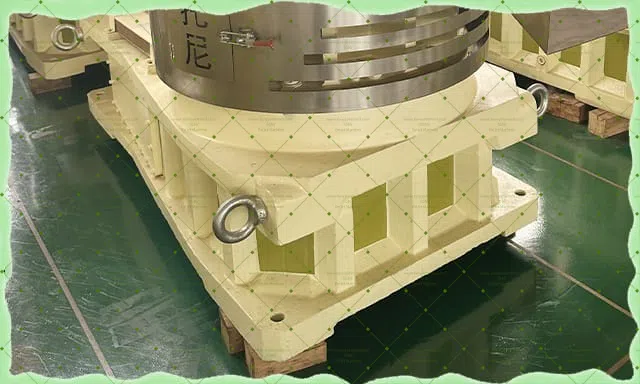
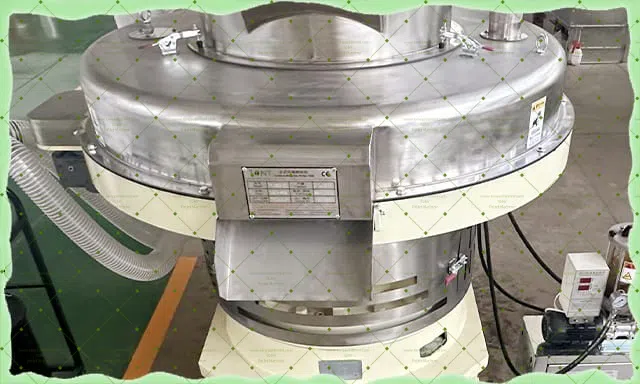
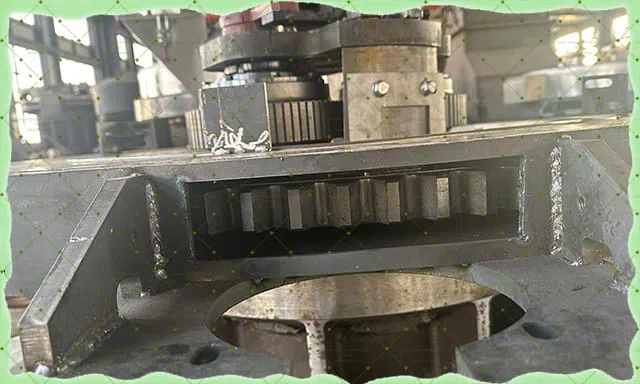
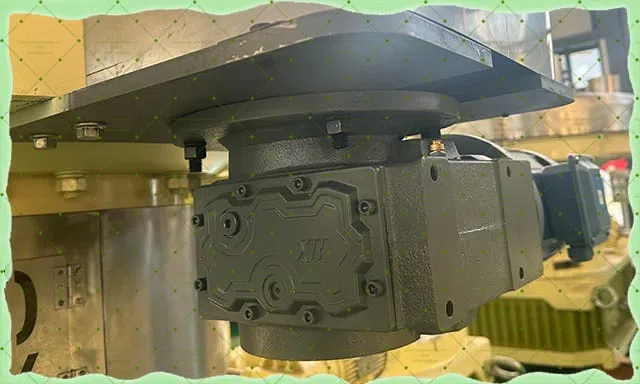
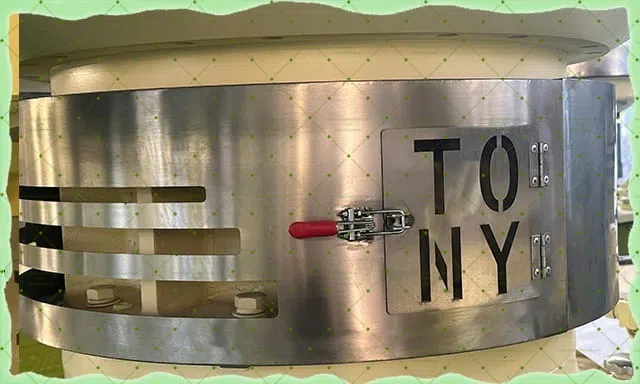
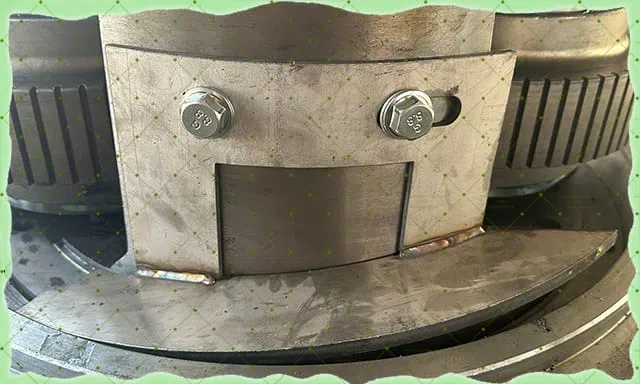
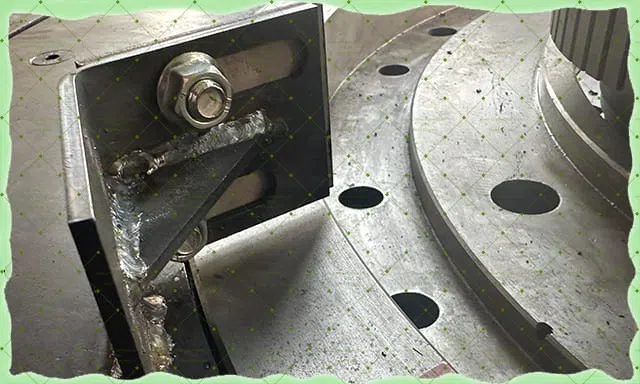
1. The overall performance of a complete pellet mill is determined by its core components, including the gearbox, reducer, discharge shell, rotating support, protective cover, internal lifting blades, and adjusting blades.
2. To reduce costs, most manufacturers on the market use small, simple reducers, resulting in thinner gearbox housings and more internal porosity in the castings; the discharge shell is made of thin, bent steel plates, which are prone to deformation and cracking under long-term material impact; the rotating support castings are thin and easily deform and wobble under load; the protective cover is only made of thin sheet metal, providing insufficient protection. The internal lifting blades and adjusting blades are made of ordinary steel without hardening treatment, resulting in rapid wear and poor shearing effect.
3. Tony pellet mill upgrades all components simultaneously: a larger, thicker gearbox paired with a heavy-duty reducer; gears that have undergone grinding and heat treatment for high load-bearing capacity; a thickened, wear-resistant cast steel discharge shell to resist continuous material impact; a thickened, one-piece cast rotating support that is resistant to deformation under long-term load; and a thickened, fully enclosed safety cover that balances protection, noise reduction, and ease of maintenance.
4. The internal lifting blade and adjusting blade are made of wear-resistant alloy material and are hardened by quenching. They cut materials cleanly, and the gap adjustment is flexible and stable. The whole set of components work together to reduce vibration, wear and downtime, and ensure continuous granulation production.
 |  |  |  |
 |  |  |  |
Unique Advantages
1. For those considering opening a pellet mill or upgrading their equipment, don't be misled by identical motor specifications! Many pellet mills on the market look exactly alike, with the same motor wattage, but their internal configurations are significantly inferior. Short-term testing may not reveal problems, but continuous production will lead to issues like overheating, abnormal gear noise, oil and powder leaks, and rapid die wear.
2. Tony pellet mills don't produce machines that "look good on test runs but perform poorly in actual operation." They feature a large, thickened gearbox and a full heavy-duty transmission system, easily handling 20-hour continuous production in a factory.
3. The double-layer ring die can pelletize from both sides, providing the equivalent of two sets of dies in one, directly saving a significant amount on consumables. Whether it's waste wood or difficult-to-process materials like straw and rice husks, the pelleting rate is high, with less breakage and uniform finished pellet quality.
4. Compared to ordinary models on the market, it requires less maintenance and downtime, allowing more time for production and genuinely helping processing plants improve output efficiency.