
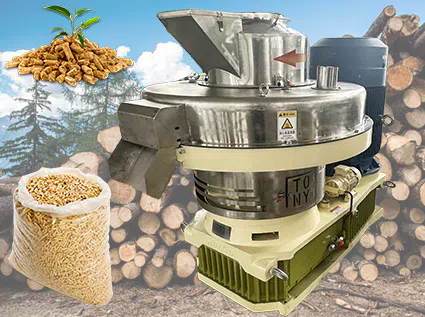
Wood pellet mill utilize wood scraps or sawdust to produce fuel pellets—typically rod-shaped—suitable for use in households, small-to-medium power plants, and boiler operations. However, some customers may encounter issues such as low output or difficulty with material discharge. Here are the specific reasons and solutions:
1. If using a new ring die, first verify that the die's compression ratio matches the raw material being processed.
An excessively high compression ratio creates high resistance as powder passes through the die holes, resulting in overly hard pellets and low output; conversely, an excessively low ratio prevents the pellets from forming properly. You must select the correct compression ratio and inspect the smoothness of the inner die holes and the roundness of the die itself. Inferior dies—characterized by rough inner holes or a lack of roundness—cause high discharge resistance, resulting in rough pellets, difficult discharge, and reduced output; therefore, high-quality ring dies are essential.
2. If the ring die has been in use for some time, inspect the inner wall's tapered holes and the press rollers for wear.
If wear is severe, the ring die can be refurbished by re-countersinking the tapered holes, while worn press rollers must be replaced. Wear on the ring die's tapered holes significantly impacts output.
|
|
|
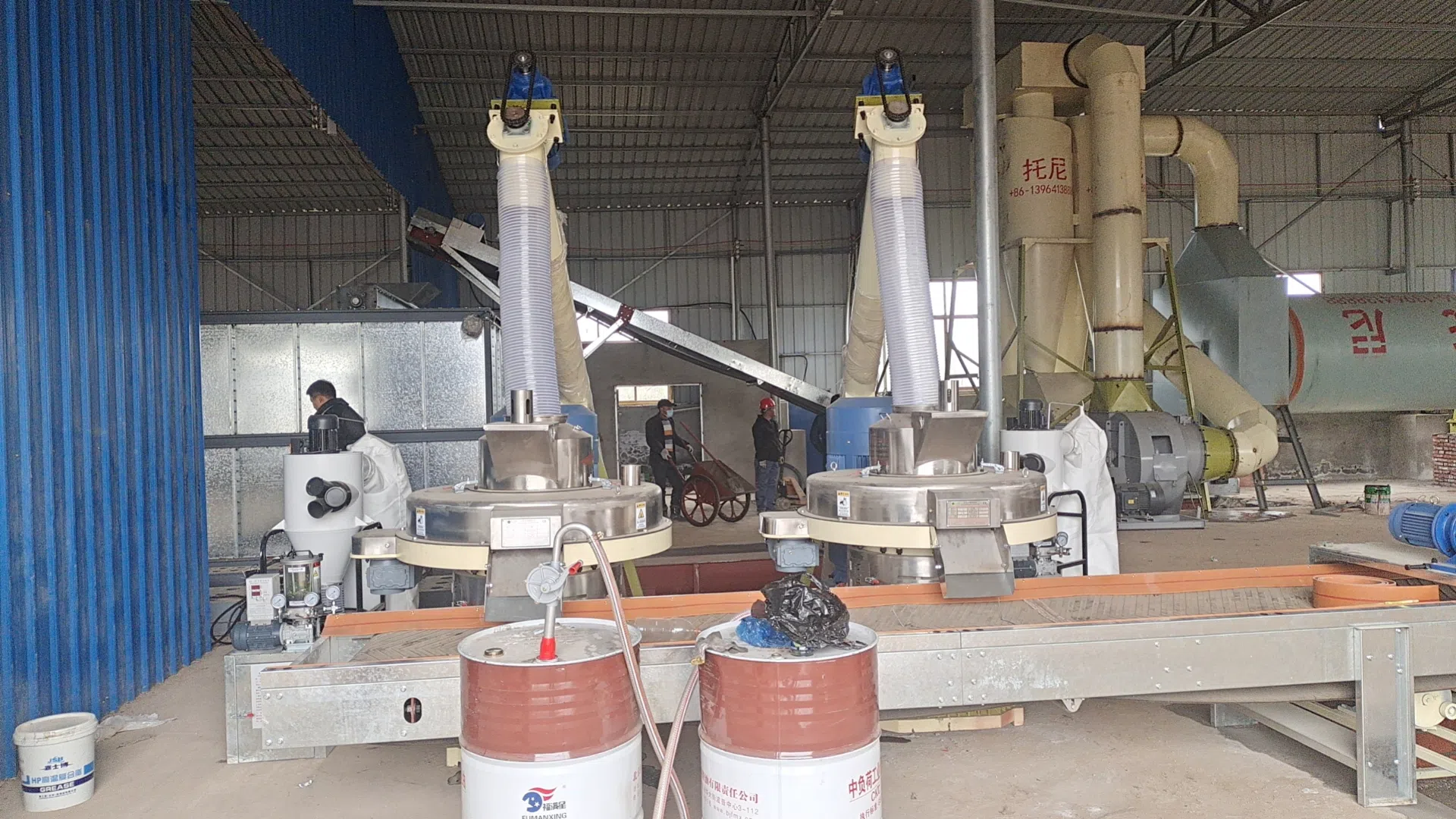
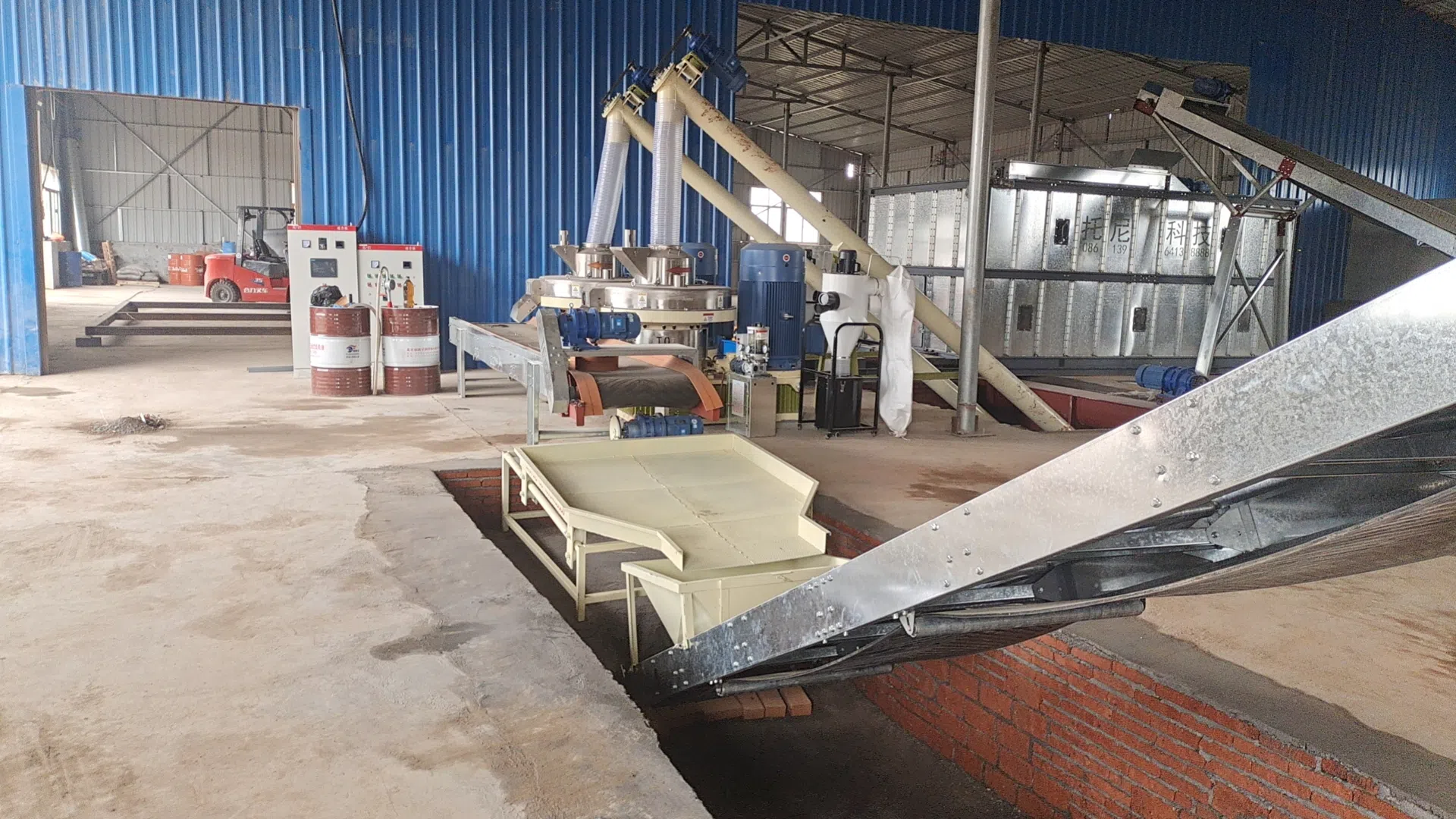
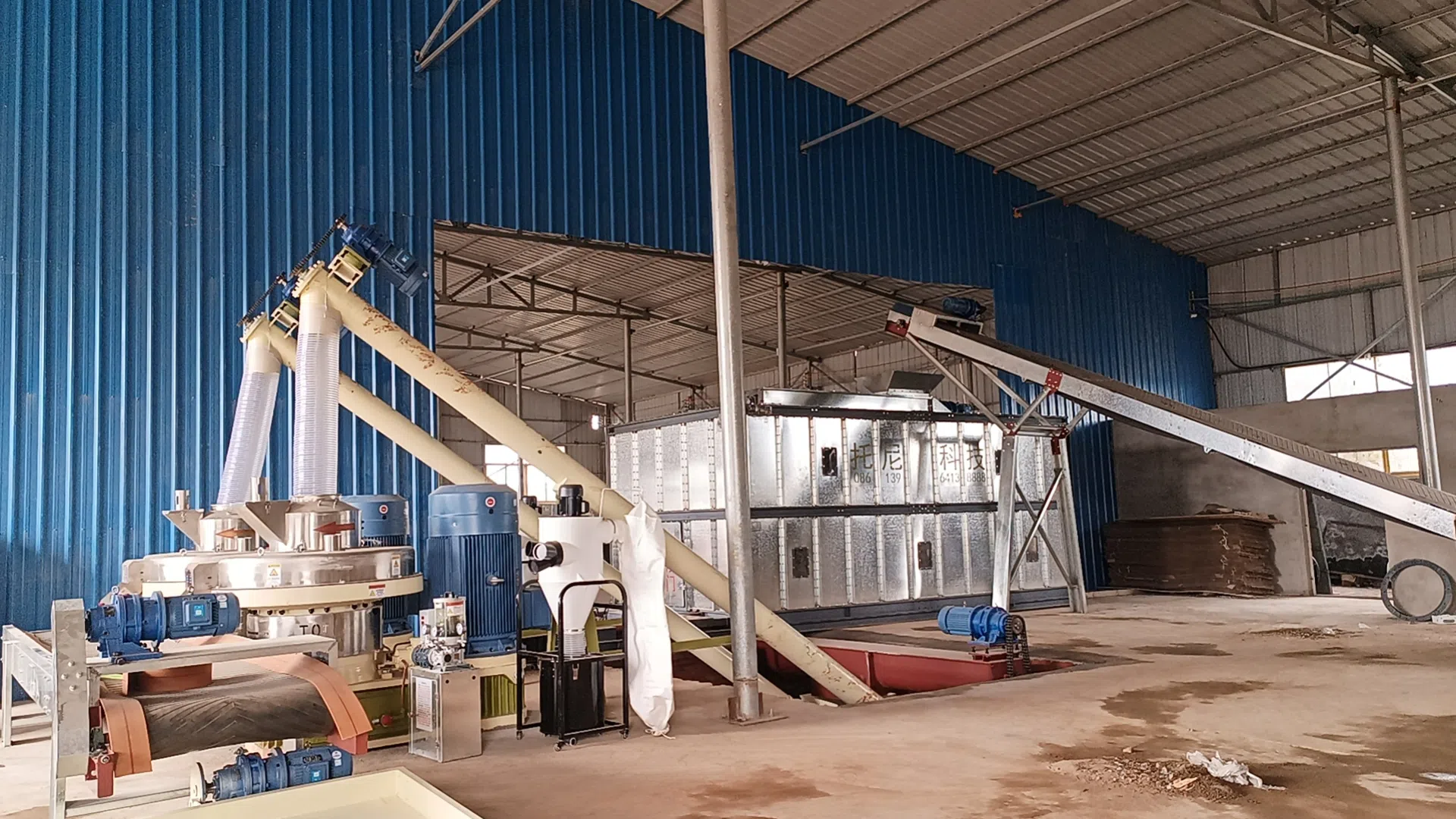
3. The gap between the ring die and the press rollers must be adjusted correctly.
For livestock and poultry feed production, a gap of approximately 0.5mm is generally ideal. A gap that is too small causes the rollers to rub against the die, shortening its lifespan, while a gap that is too large causes the rollers to slip, reducing output.
4. Pay attention to the duration and quality of raw material conditioning, particularly the moisture content before the material enters the machine.
Ideally, the initial moisture content is around 13%; if the moisture is too high, the conditioned material may exceed 20% moisture, leading to slippage within the die and difficult discharge.
5. Check the distribution of raw material within the ring die to ensure it does not accumulate on one side.
If uneven distribution occurs, adjust the position of the large and small feeding scrapers to ensure the material is distributed evenly across the die. This extends the ring die's service life and ensures smoother material discharge. It is crucial to properly control the moisture content of the material, as excessive moisture directly affects the pellet formation rate and output of the wood pellet mill. Therefore, the material's moisture level should be tested using a moisture meter before it enters the machine to ensure it falls within the optimal range for pelletizing. To achieve high operational efficiency and output, every stage of the process must be finely tuned.


