Brief Introduction
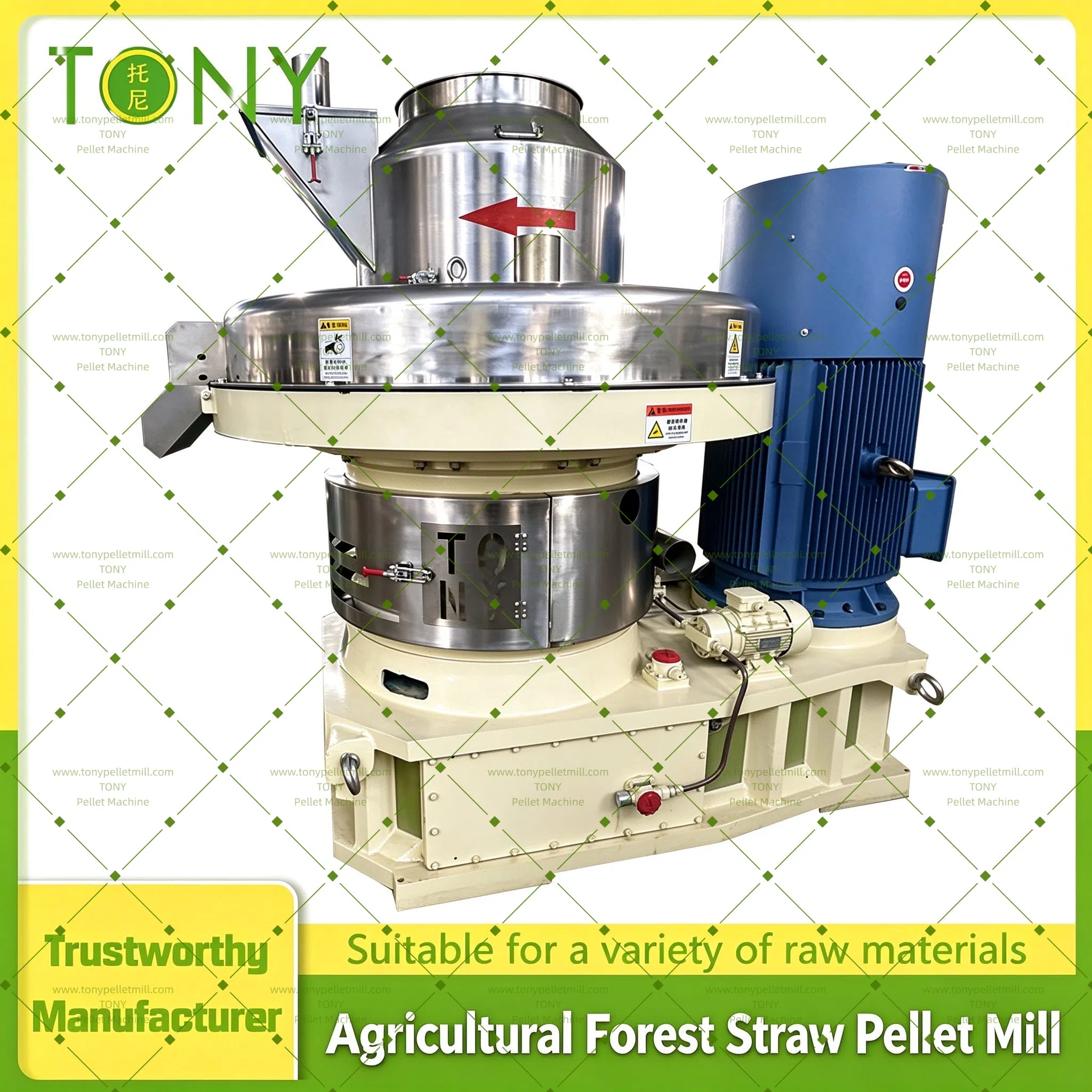
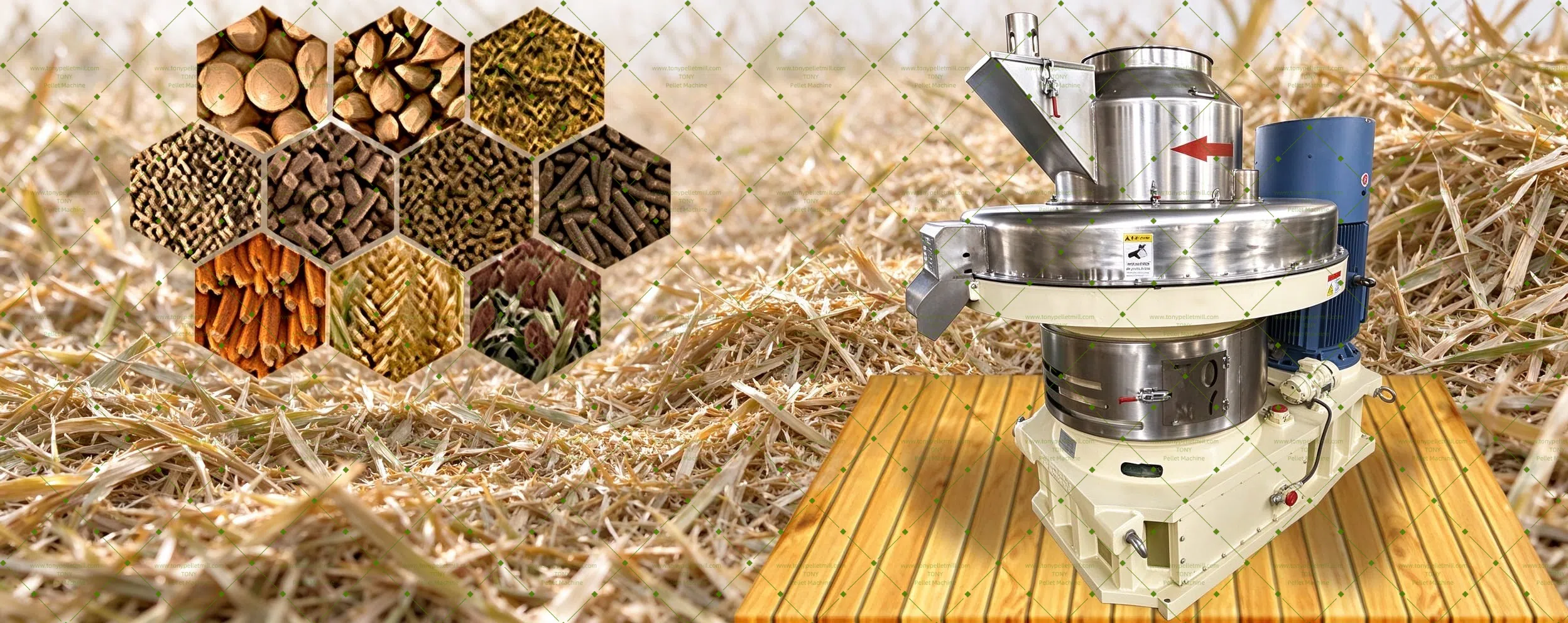
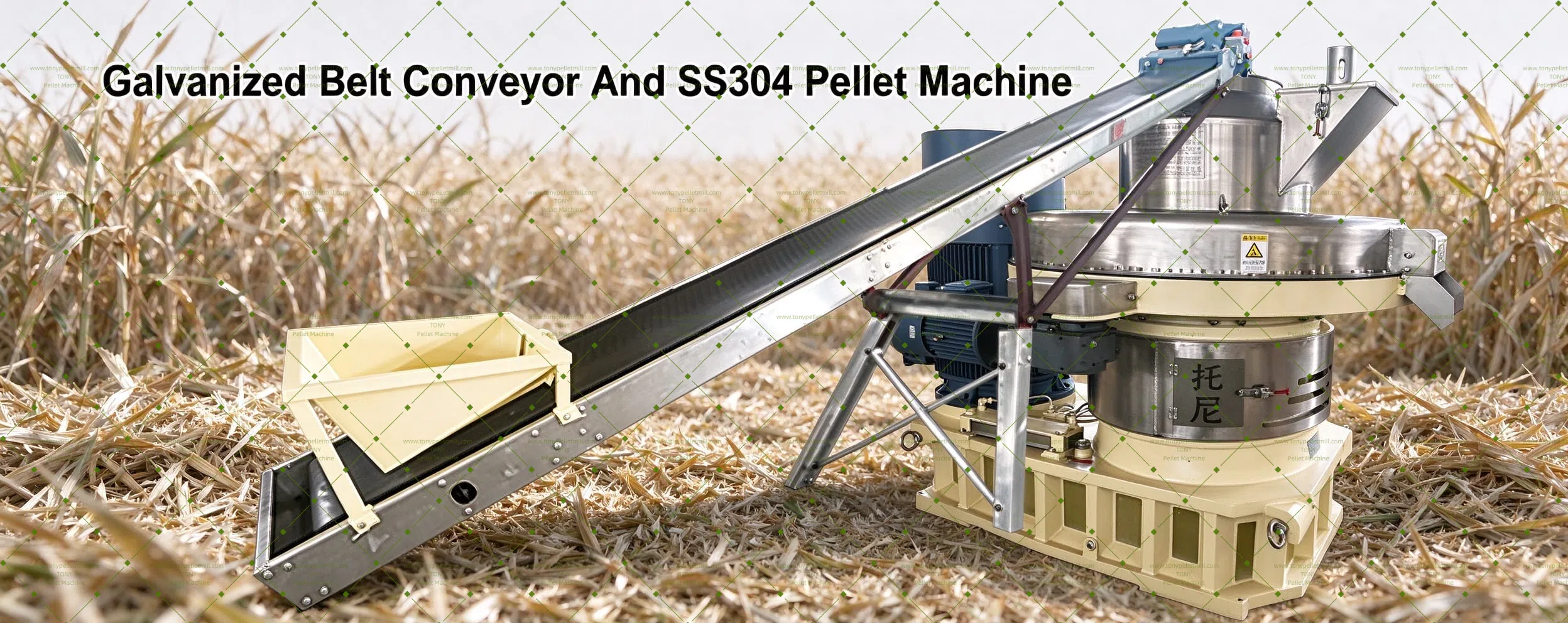
Agricultural Forest Straw Pelletizers are biomass forming and pelleting equipment that uses agricultural and forestry waste such as crop straw and sawdust as main raw materials. The equipment uses physical extrusion to compress loose, lightweight fibrous raw materials into high-density cylindrical pellets, realizing the resource reuse of agricultural and forestry waste. Depending on the quality of the raw materials and processing requirements, the pellets can be used as biomass fuel or processed into livestock and poultry feed. According to their structure, straw pellet mills are mainly divided into two categories: flat die and vertical ring die. Ring die mills are more suitable for continuous mass production in large and medium-sized factories, while flat die mills are mostly used in small-scale processing and feed pelleting scenarios.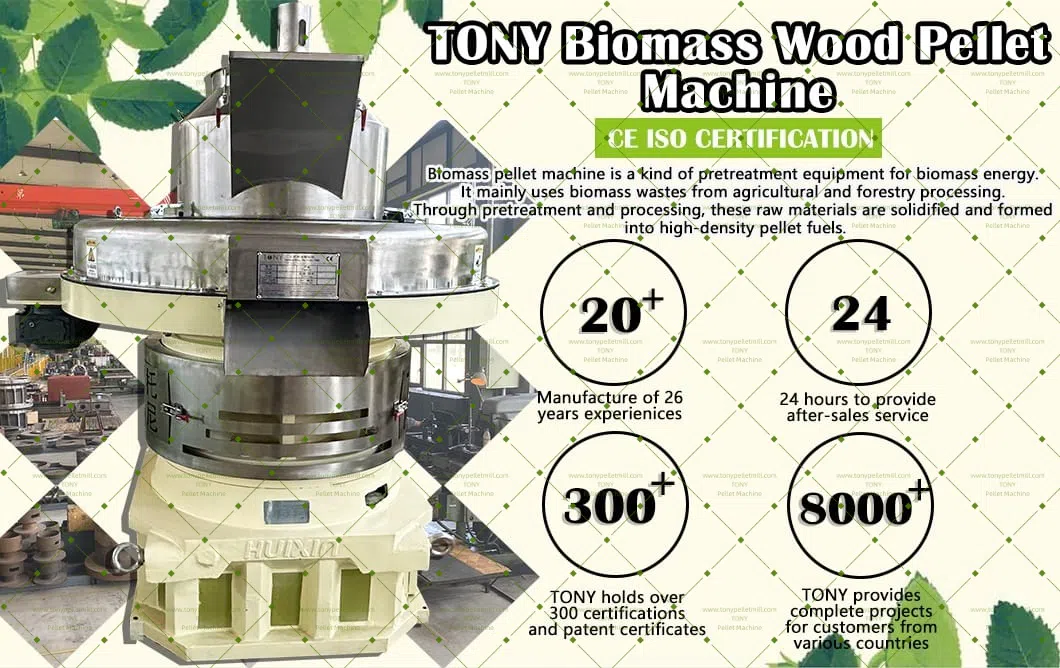
Processing Technology
Core Equipment Is Agricultural Forest Straw Pelletizer
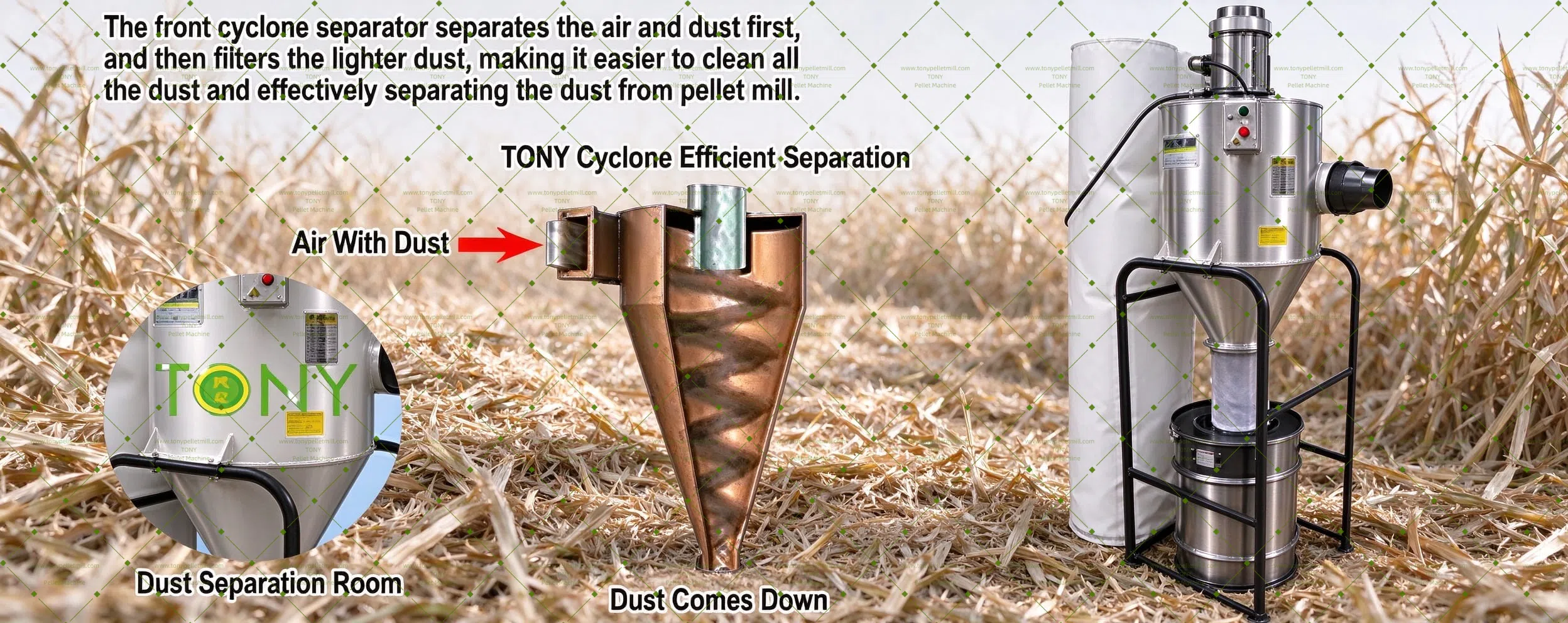
Straw pellet processing follows a standardized process of "crushing—feeding—drying—granulation—cooling—packaging". In the pelleting stage, straw raw materials enter the pressing chamber through the feed inlet. Under the strong pressure of the rollers and mold, the material passes through the die holes, undergoing physical changes due to high temperature and pressure, forming a continuously elongating solid cylinder. This cylinder is then cut into uniformly sized pellets by a cutter. No additional binder is needed during processing; the material's own lignin softens upon heating, achieving a binding effect. The raw material moisture content is typically controlled between 12% and 18% to ensure pellet quality. After pelleting, the pellets are cooled to room temperature by a cooler, then graded and screened by a vibrating screen before being packaged and stored.
Main Parts 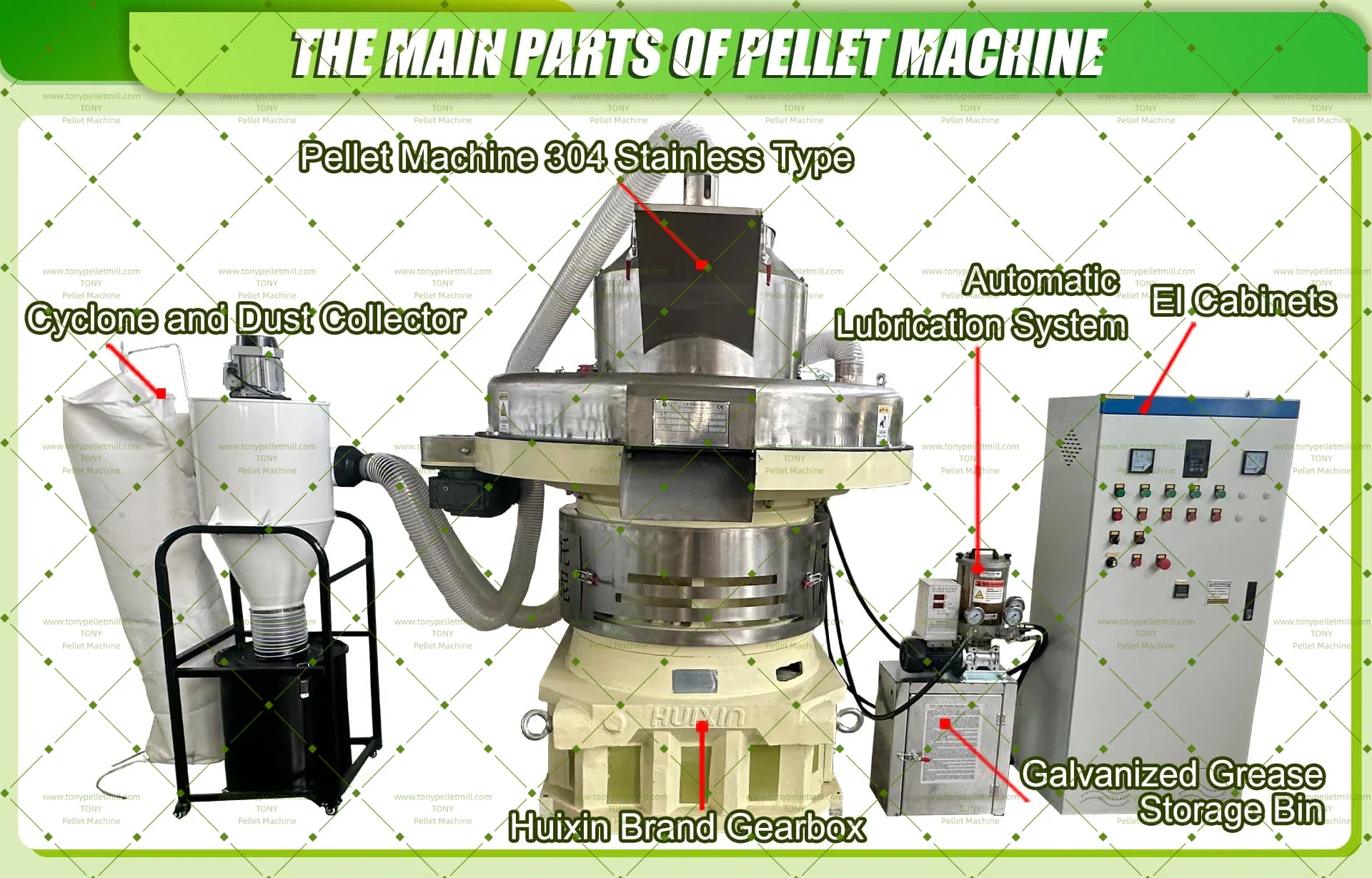
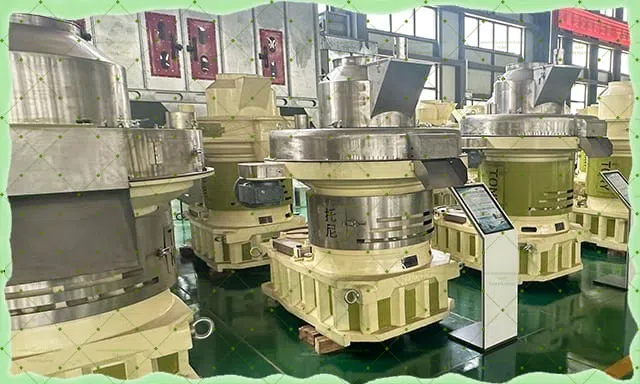
TONY's Agricultural Forest Straw Pelletizer
 |  |  |
 |  |  |
Main Spare Parts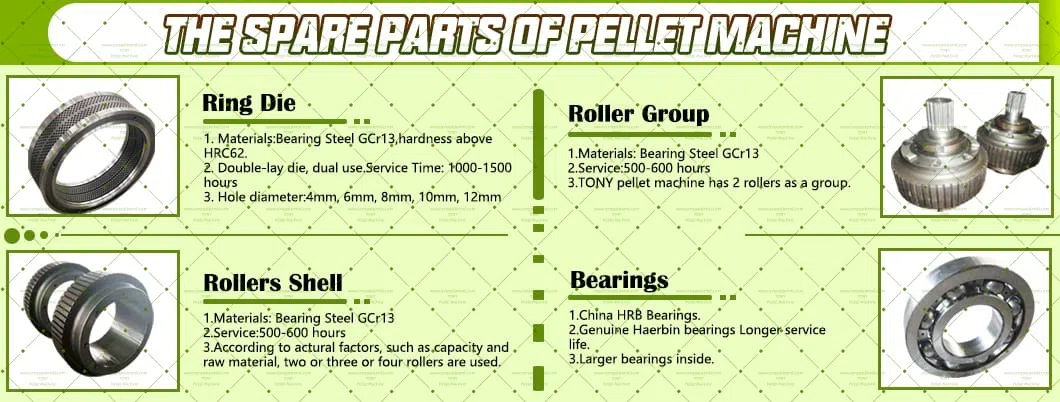
Parameter
TONY Vertical Ring Die Pellet Machine Type Model | |||||||||
NO | Model | Main Power | Lubrication Power | Dust Power | Capacity | Weight | Ring Die Inner Size | Machine Size | Remarks |
1 | TYJ551-III-90 | 90KW+3KW | 0.25KW | 0.95KW | 1-1.5TPH | 5.2T | 560MM | 2364*1550*1705MM | Same Model For Huixin Brand Gearbox Everthing the same,just motor different |
2 | TYJ551-III-110 | 110KW+3KW | 0.25KW | 0.95KW | 1.5-2TPH | 5.3T | 560MM | 2364*1550*1705MM | |
3 | TYJ551-III-132 | 132KW+3KW | 0.25KW | 0.95KW | 2-2.5TPH | 5.5T | 560MM | 2364*1550*1705MM | |
4 | TYJ760-III-160 | 160KW+4KW | 0.25KW | 0.95KW | 2.5-3TPH | 9T | 760MM | 2464*1750*2150MM | Huixin Brand Gearbox |
5 | TYJ760-III-185 | 185KW+4KW | 0.25KW | 0.95KW | 2.8-3.3TPH | 9.2T | 760MM | 2564*1850*2150MM | Bigger Model Huixin Brand Gearbox |
6 | TYJ760-III-200 | 200KW+4KW | 0.25KW | 0.95KW | 3-3.5TPH | 9.3T | 760MM | 2564*1850*2150MM | Bigger Model Huixin Brand Gearbox |
7 | TYJ860-III-220 | 220KW+4KW | 0.25KW | 0.95KW | 3-4TPH | 11T | 860MM | 2664*1950*2150MM | Huixin Brand Gearbox |
8 | TYJ860-III-250 | 250KW+4KW | 0.25KW | 0.95KW | 3.5-4.5TPH | 12T | 860MM | 2864*2150*2150MM | Bigger Model for Huixin Brand Gearbox |
9 | TYJ860-III-280 | 280KW+4KW | 0.25KW | 0.95KW | 4-5TPH | 13T | 860MM | 2864*2150*2150MM | Bigger Model for Huixin Brand Gearbox |
10 | TYJ860-III-315 | 315KW+4KW | 0.25KW | 0.95KW | 4.5-5TPH | 14T | 860MM | 2864*2150*2200MM | Bigger Model for Huixin Brand Gearbox |
Suitable Raw Materials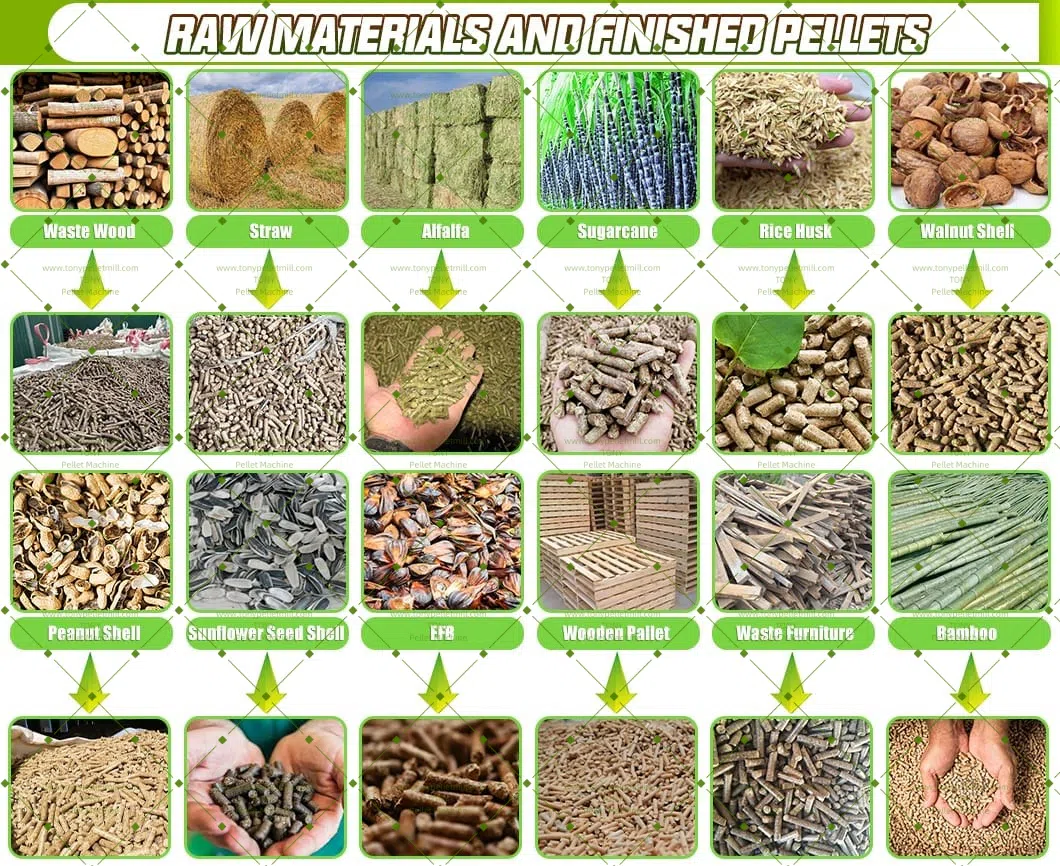
Straw pellet mills are highly adaptable to a wide range of raw materials. Agricultural straws include corn stalks, wheat stalks, rice stalks, cotton stalks, soybean stalks, peanut shells, rice husks, and corn cobs; forestry waste includes sawdust, branches, bark, bamboo shavings, and furniture factory scraps. In addition, the equipment can process various biomass raw materials such as forage, palm shells, coconut shells, sunflower seed shells, medicinal residue, mushroom residue, brewer's grains, and waste paper and cloth. The equipment is highly accommodating to different raw material forms; straw from powder to 50mm in length and with a moisture content between 15% and 20% can be processed into pellets.
Application Areas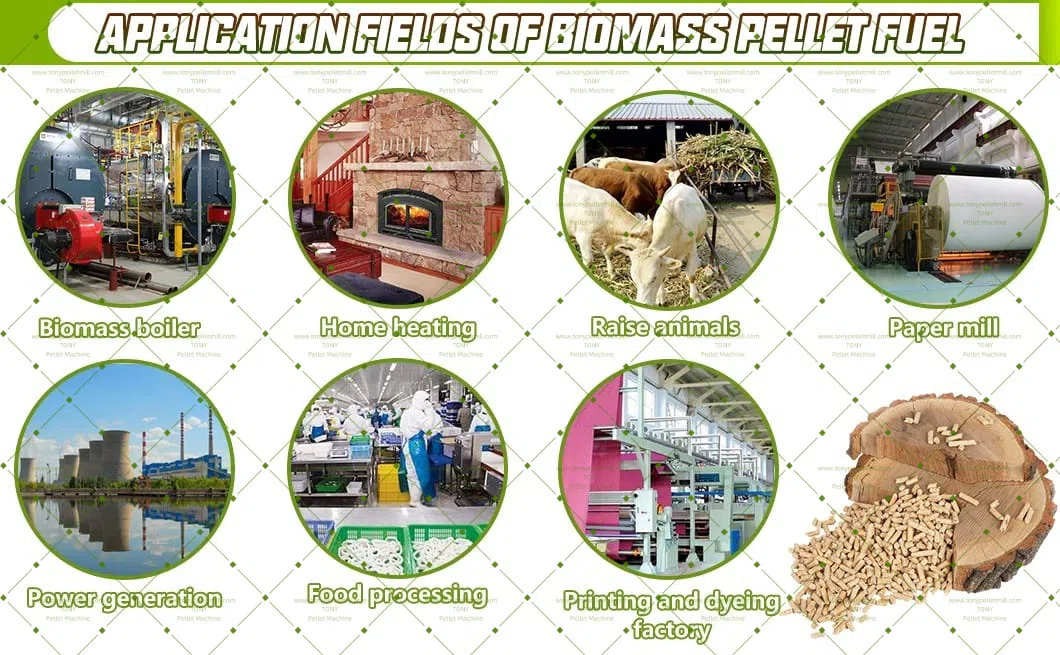
The biomass pellet fuel produced by straw pellet mills can be widely used in biomass power plants, industrial boilers, residential heating stoves and fireplaces, etc., replacing traditional coal combustion. It boasts low emissions and a calorific value of 3500-4200 kcal/kg. In livestock farming, straw pellet mills can process straw into more palatable ruminant feed pellets for cattle and sheep, effectively improving the utilization rate of straw feed. Furthermore, the equipment is also suitable for organic fertilizer granulation, chemical raw material molding, and pelletized processing of waste materials such as rubber and plastics, covering various production scenarios including fuel plants, fertilizer plants, and chemical plants.
Details
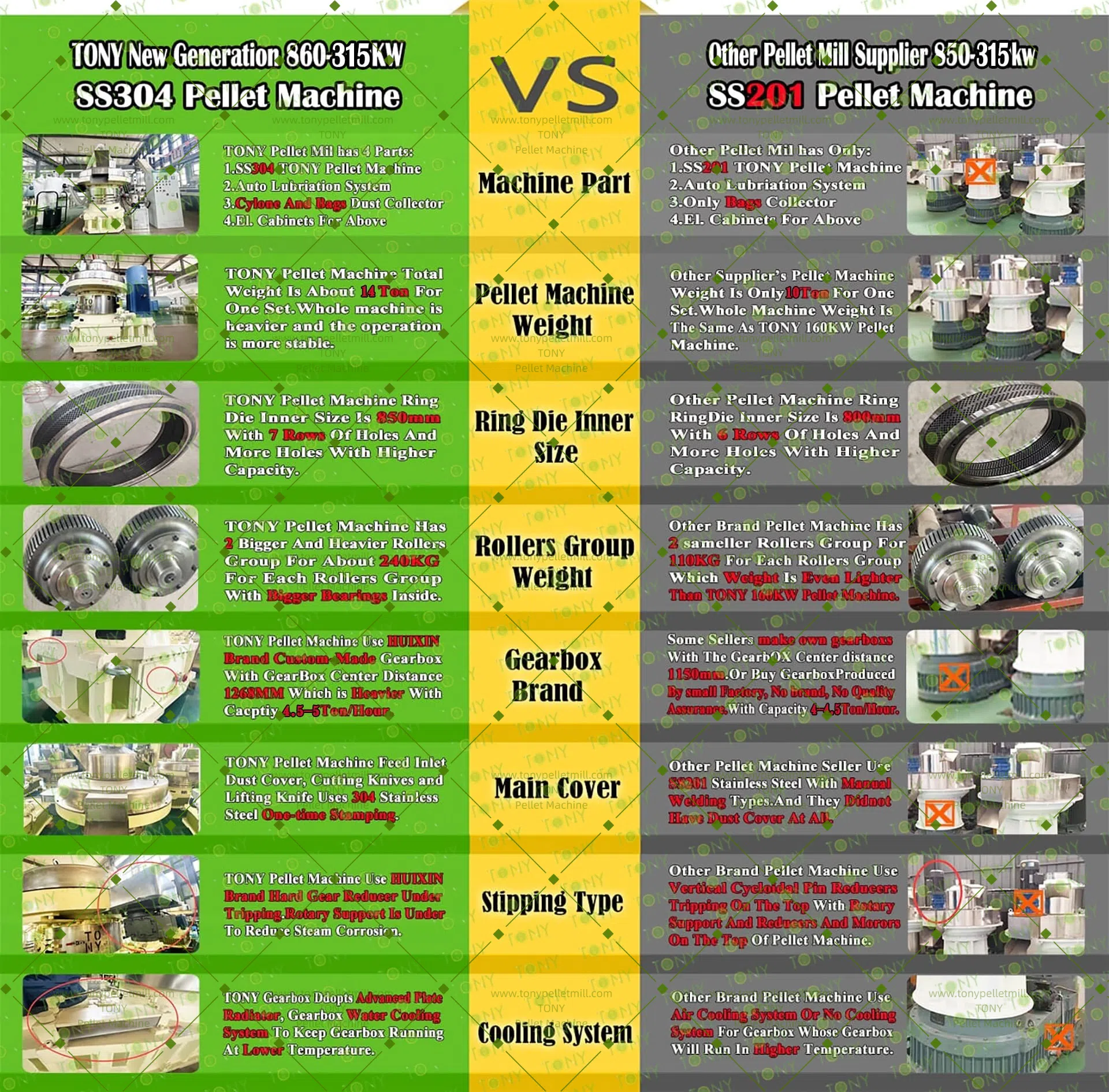
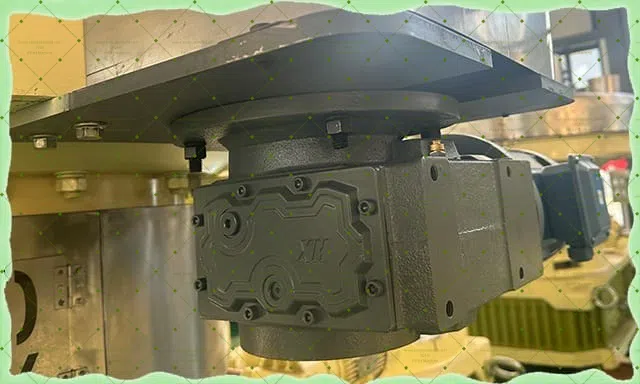
1.Custom HUIXIN‑TONY Co‑Branded Gearbox
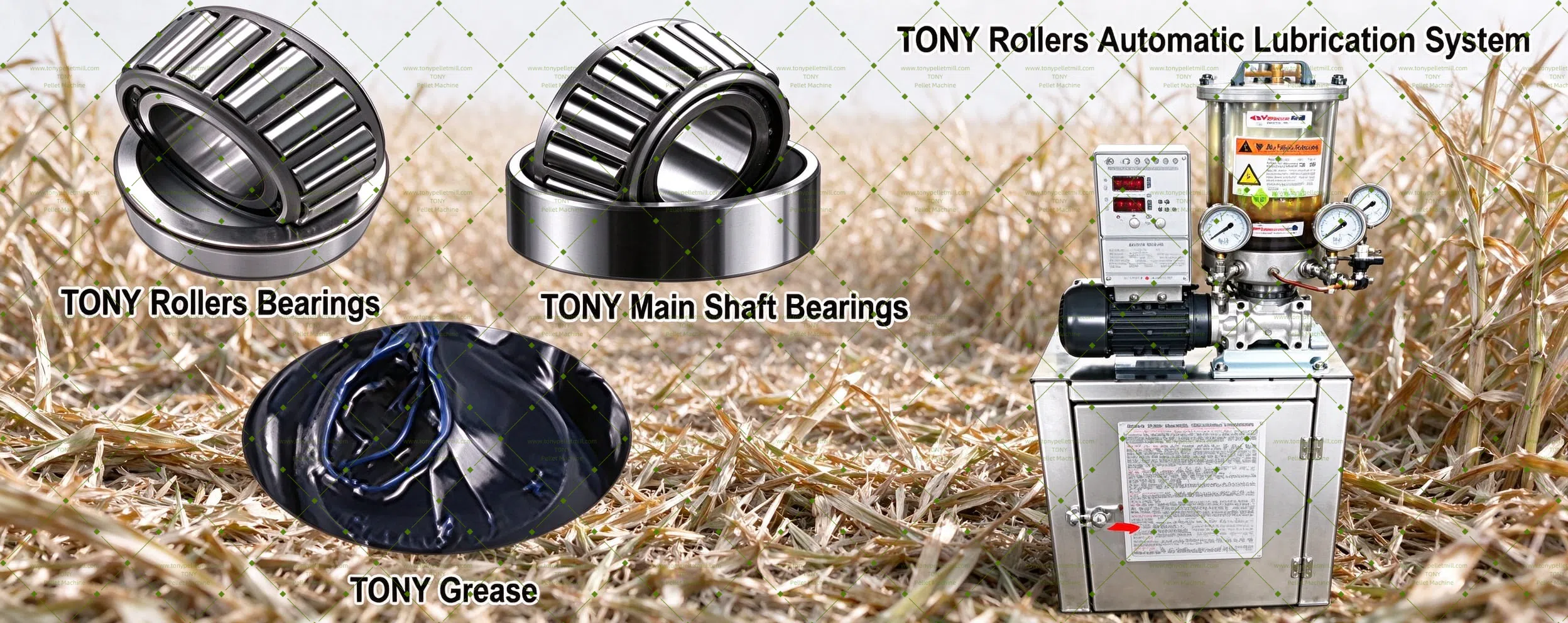
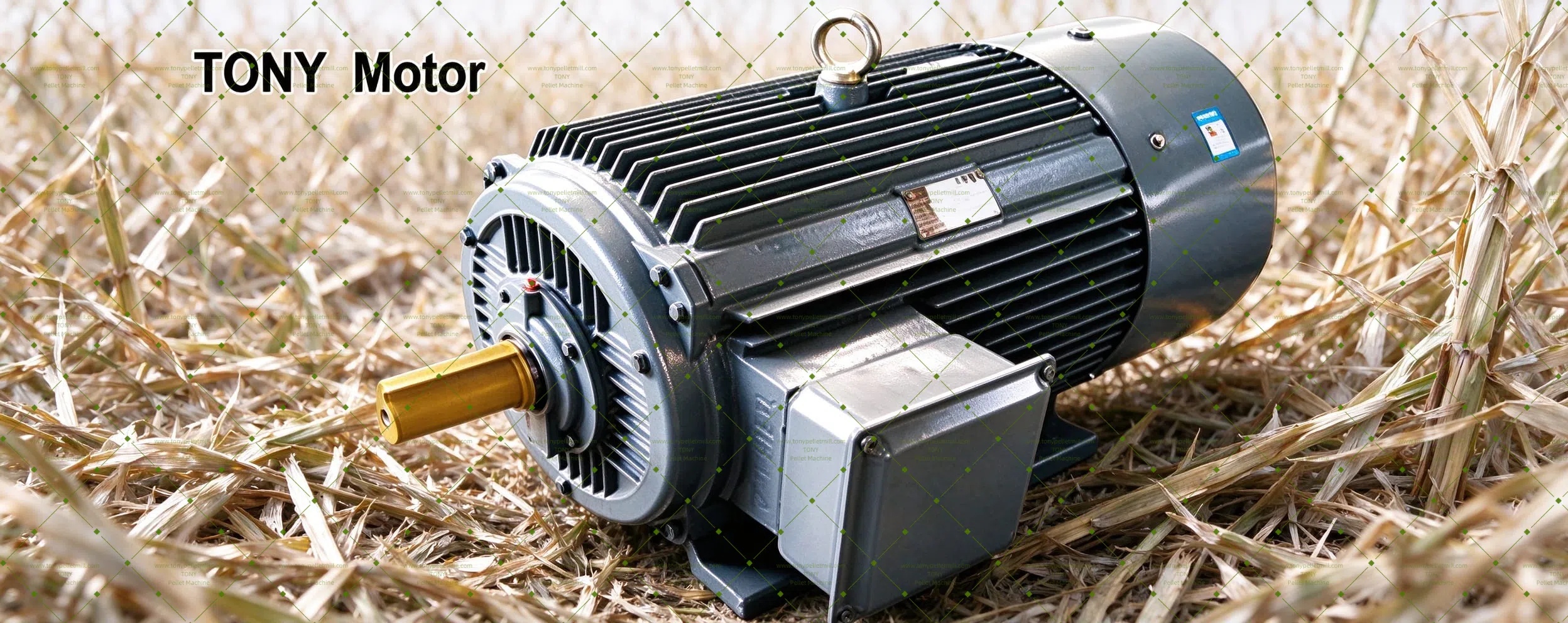
To meet heavy‑load pelletizing demand, we deploy HUIXIN gearbox custom‑engineered for TONY with dual logos. Enlarged thick gears and reinforced gear‑shaft improve overload capacity against frequent heavy‑material impact.
2.304 SS Material for Steam‑Exposed Components
In pelletizing process, steam brings high corrosion risk. Feed inlet, discharge housing, dust hood, lifting knife and cutting knife use 304 stainless steel to fight rust, minimizing component replacement frequency.
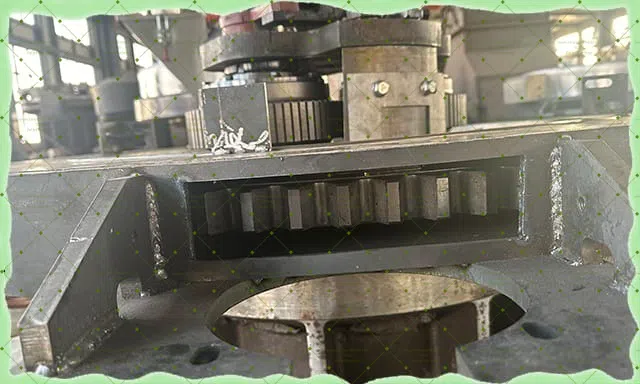
3.Under‑Housing Mounted HUIXIN Hard‑Tooth Reducer
Traditional top‑mount reducer may suffer power loss. Placing HUIXIN heavy‑duty reducer under discharge housing maximizes torque output and reduces mechanical failure probability.
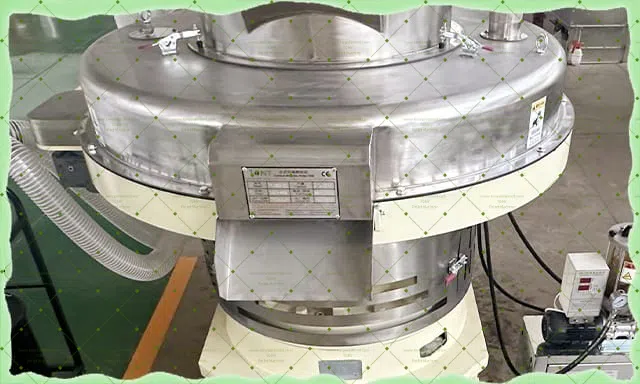
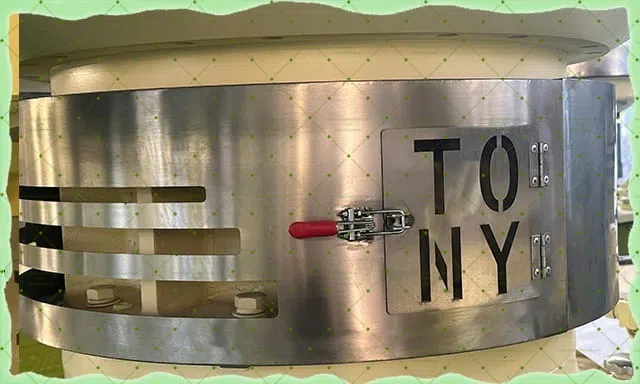
4.Optimized 304 SS Upper Discharge Shell
Welded ordinary steel shells often crack under stress. Our 304 SS arc‑form housing delivers high tensile strength to prevent cracking. Curved outer contour also lowers scratch risk for operators.
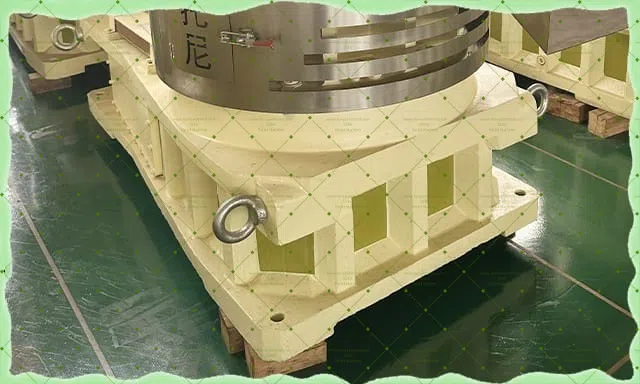
5.Improved Bottom‑Side Rotary‑Support Unit
Traditional top‑placed rotary supports are directly exposed to hot steam, leading to steel‑ball rust and early failure. Our re‑positioned rotary support under discharge housing isolates it from steam erosion and fixes above‑mentioned defects.
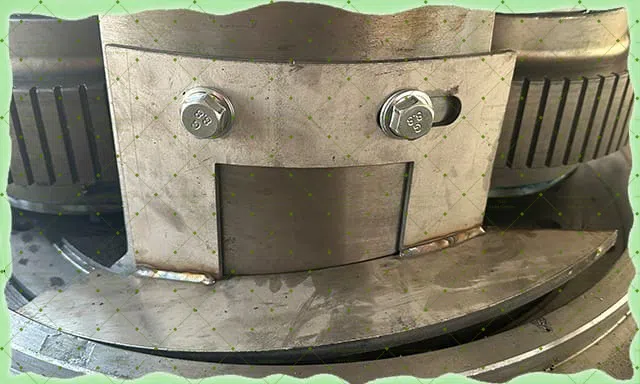
6.Heavy‑Duty Thick Lifting Knife
Working under continuous high‑temperature steam environment, thickened stainless‑steel lifting knife performs reliable material agitation and prevents raw‑material caking & stacking inside pelletizing chamber.
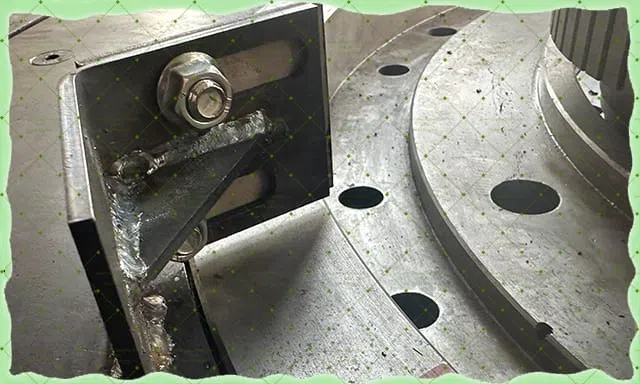
7.On‑Site Adjustable Inner Cutting Knife
Different projects require varied pellet lengths. Our adjustable inner cutter allows operators to tune cutting length easily on‑site without complex disassembly.
 |  |  |  |
 |  |  |  |
Unique Advantages
Material Advantages: 304 vs 201 – A Fundamental Difference
1. 304 stainless steel has a significantly higher chromium and nickel content than 201 stainless steel, which uses manganese instead of nickel, resulting in a significant decrease in its corrosion resistance. 201 stainless steel is "not much different from ordinary steel, only slightly better, with a small amount of rust-resistant components." In coastal or humid environments, 201 stainless steel equipment may oxidize and rust within six months, resulting in a rusty appearance and directly shortening the equipment's lifespan. 304 stainless steel, on the other hand, "possesses good corrosion resistance, heat resistance, low-temperature strength, and mechanical properties," and its corrosion resistance is stable in the atmosphere.
2. For pellet mills: During the pelleting process, the moisture content of the material usually needs to be controlled at 10%–15%, and friction and extrusion generate high-temperature water vapor. The casing and feeding system are in a high-temperature and high-humidity environment for extended periods. Under these conditions, 201 stainless steel is extremely prone to corrosion. Rust contaminates the material and weakens the structural strength of the casing.